What You Need to Know
Mozambique’s Minister of Planning and Development, Salim Valá, confirmed that the country has enough fuel stocks until the next shipments arrive between March 26 and 30. The government is also addressing the impacts of heavy rainfall affecting over one million people and has activated pre-emptive measures to mitigate flooding. The minister reported significant casualties and damage due to recent,
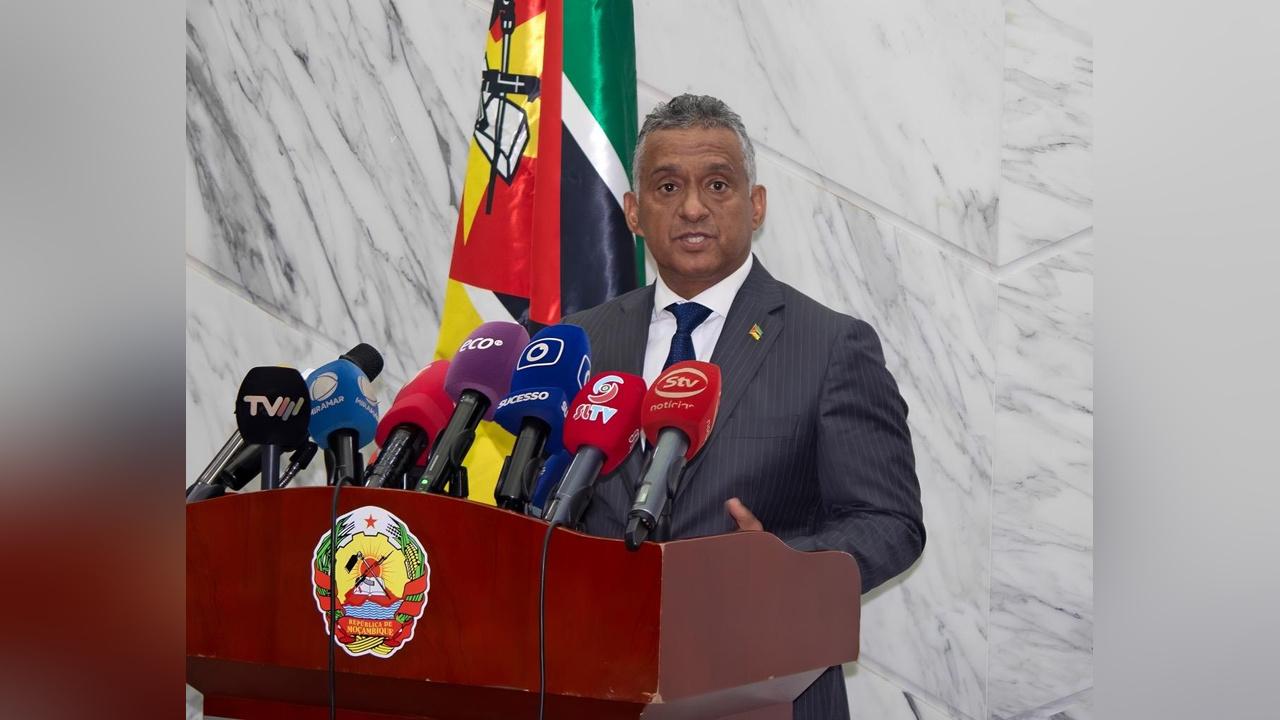
Africa-Press – Mozambique. The Minister of Planning and Development, Salim Valá, assured on Tuesday (24 March) that Mozambique has sufficient fuel stocks until the arrival of the next shipments, expected between 26 and 30 March.
The Government held its regular Council of Ministers session on Tuesday, during which, among other matters, it was briefed on the 2025–2026 cyclone and rainy season. The Minister noted that over the past seven days, the central and northern regions had been affected by heavy rainfall, which may continue in the coming days.
Salim Valá stated that, following technical assessments, pre-emptive measures have been activated to reduce the impact of flooding in low-lying areas, highlighting that the rains have affected more than one million people across the country, with 200,000 homes flooded and over 10,000 homes destroyed.
“We regret the record of 298 deaths, 391 injuries and 17 missing persons. Regarding the deaths, 107 were caused by being swept away by floodwaters, 87 by lightning strikes, and the remainder by wall collapses, falling trees, cholera and other causes,” the minister emphasised.
Assessing the impacts of the Middle East war, with particular focus on rising fuel prices, the Government confirmed that fuel stocks are sufficient until the arrival of the next shipments at the end of March.
Mozambique has faced recurring challenges with flooding, particularly during the cyclone and rainy seasons, which typically occur from November to April. The government has been proactive in managing these crises, implementing measures to protect vulnerable populations and infrastructure. The recent heavy rains have exacerbated the situation, leading to significant humanitarian concerns and prompting government action to secure essential resources like fuel amidst rising prices due to global conflicts.