What You Need to Know
Students from Mozambique and other PALOP countries studying in Portugal are facing significant challenges, including delayed visas, high accommodation costs, and curricular differences. These issues lead to mental health struggles and academic setbacks, prompting calls for better support and integration from educational institutions.
Africa-Press – Mozambique. Students from Portuguese-speaking African countries (PALOP) studying in Portugal are struggling with delayed visas, unaffordable accommodation and curricular differences that they say turn their academic ambitions into a fight for survival and mental health, according to several students speaking to Lusa.
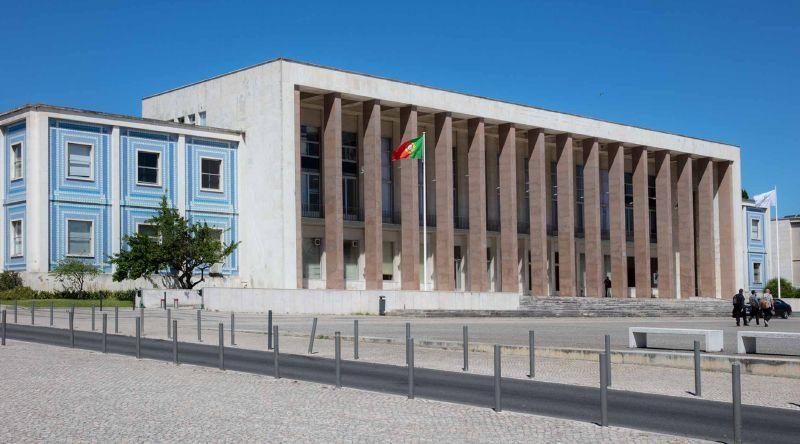
Bilkiça Câmara, a Guinean student at the Faculty of Letters of the University of Lisbon, described to Lusa a reality in which academic success is often overshadowed by a struggle for survival and documentary regularisation affecting the majority of international students, particularly those from the PALOP countries.
“It is not one or two or three people going through this, it is the vast majority of students who enter through the special regime,” she said, explaining that delays in visa issuance mean that many arrive in Portugal in December or March, when semesters are already nearly completed.
This obstacle also affects students from other Lusophone countries.
Beatriz Pires, a former student of the Faculty of Letters who came from São Paulo, Brazil, said that documentation was the greatest hurdle, leaving her unable to study for around six months.
According to Bilkiça Câmara, students arrive so late that they cannot complete the first year due to too many pending courses, and many who arrive in March, halfway through the second semester, drop out.
This late arrival generates “total discouragement” and mental health conditions described as “completely destructive,” said the Guinean student, who accompanies colleagues to psychology consultations.
Céline Machaieie, a Mozambican student at the Instituto Superior Técnico, reported that her visa took almost two months, resulting in a first semester “practically lost.”
“At several points I even thought about giving up and returning to my country,” she said.
Beyond bureaucracy, financial barriers are another obstacle, as private rental rooms cost around “€400 or €500,” amounts unaffordable for students who arrive alone.
This financial pressure pushes many students into precarious work and labour exploitation, where they end up abandoning their studies to support themselves, according to Bilkiça Câmara.
“They have to choose either to continue with their studies or to work to support themselves. And many end up choosing the second option, which is to work to support themselves,” she lamented.
The students also highlight differences between the curricula of their home countries and the Portuguese system.
Bilkiça Câmara criticised the teaching as “very focused on Europe and the United States,” emphasising that African or Asian perspectives, when taught, are presented from a Eurocentric viewpoint.
Céline also noted that content which in Mozambique would only be covered in higher education is already part of the secondary school curriculum in Portugal, requiring an “extra effort.”
The students also reported episodes of prejudice, such as exclusion from group work or differentiation because they are Black women.
“The work of effective welcoming and integration is not being done. In many universities, students arrive here completely alone, not knowing which way to turn. I do not see universities dedicating their time to show students around the faculty, or to provide mentoring or tutoring,” said Bilkiça Câmara.
Beatriz Pires confirmed this view and said that support only comes from the students themselves, who have created groups to help those going through the same experience.
“We know exactly what exclusion is, what it is like to have a teacher who says we do not know how to write,” said the Brazilian student.
In response, they call for concrete measures from higher education institutions. Céline and Bilkiça suggest open days and mentoring, as well as support classes to bridge curricular differences.
“There must be greater awareness and recognition that these students face difficulties, they have just arrived, they are here alone, and they need to be integrated academically, socially, and culturally,” said the Guinean student, concluding, “It is no use wanting foreign students (…) if they do not work seriously to integrate and support these students.”
The challenges faced by Mozambican students in Portugal are part of a broader issue affecting many international students from Portuguese-speaking African countries (PALOP). These students often encounter bureaucratic hurdles that delay their arrival and hinder their academic progress, exacerbated by financial pressures and cultural differences in education systems. The situation highlights the need for universities to provide better support and integration for these students, ensuring they can thrive in their new environment.