What You Need to Know
The Japanese government has pledged $1.4 million to support health facilities in Cabo Delgado, Mozambique. This initiative, implemented by UN agencies, aims to benefit over 500,000 people and includes women’s empowerment and emergency response capacity strengthening. The project will provide ambulances and training for health professionals, improving access to emergency care in affected districts.
Africa-Press – Mozambique. The Japanese government has pledged to disburse 1.4 million US dollars to support health facilities in the northern Mozambican province of Cabo Delgado.
The project, which will be implemented by United Nations agencies, is expected to benefit over 500,000 people in those health facilities that will receive financial assistance.
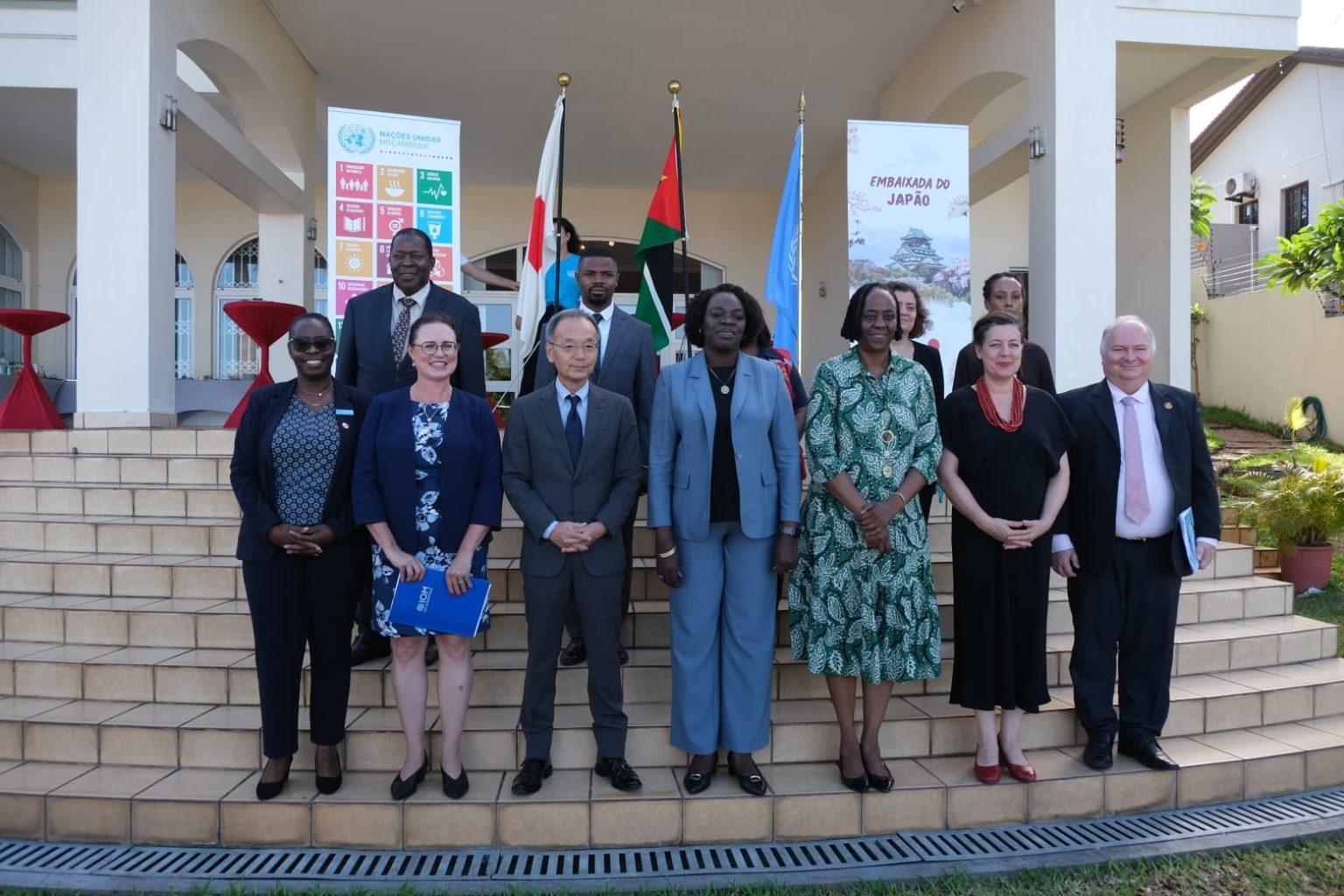
According to Japanese ambassador Keiji Hamada, speaking during the project launch, the initiative will be extended to cover women’s empowerment, water supply, sanitation and hygiene. It will also cover communities affected by crises, especially those affected by islamist terrorism in Cabo Delgado.
The diplomat explained that one of the initiatives aims to strengthen the emergency response capacity of the health system in Cabo Delgado.
According to Hamada, the project will be implemented in the districts of Balama, Meluco, and Pemba, the provincial capital, in close coordination with the Government and United Nations agencies.
The intervention includes the delivery of three ambulances and the training of professionals, including drivers and nurses, to ensure the effective use of these resources in the health system.
“Patients who currently face great difficulties in accessing emergency care will have faster and safer access to health services,” he explained.
For her part, the United Nations Resident Coordinator in Mozambique, Catherine Sozi, highlighted Japan’s continued support for the organization’s initiatives.
“The direct beneficiaries will be approximately 2,900 women and girls, while approximately 16,000 community members are expected to benefit indirectly”, she said.
“The goal of our project is to protect and empower women and girls affected by the crisis, restoring livelihoods, reducing protection risks, and strengthening women’s leadership in humanitarian response and recovery”, she added.
The programme includes the distribution of emergency non-food items, livelihood support, promotion of menstrual dignity, and strengthening the participation of local women’s organizations.
“We want to see more women-led organizations actively participating in the humanitarian response,” she said.
The head of the National Institute for Disaster Risk Reduction and Management (INGD), Luísa Meque, considered Japan’s support a significant gesture of solidarity.
“These projects will contribute significantly to meeting the immediate needs of the affected people,” she said.
Meque recalled that since the beginning of the 2025-2026 rainy season, floods and cyclones have affected over a million people, causing 306 deaths and 351 injuries.
“Japan has been an important partner for Mozambique in risk management, supporting the training of national personnel and flood risk reduction projects”, she said.
Cabo Delgado has faced significant challenges due to ongoing violence from Islamist insurgents, leading to a humanitarian crisis. The region has seen widespread displacement and disruption of essential services, including healthcare. Japan’s support comes at a critical time, as the local population grapples with the impacts of conflict and natural disasters, including floods and cyclones that have exacerbated the situation. This initiative aims to address immediate health needs while promoting women’s empowerment and community resilience.