What You Need to Know
Mozambican Agriculture Minister Roberto Albino has urged safari operators to engage young people in the wildlife economy. Speaking at a conference in Maputo, he highlighted the underutilization of youth in this sector and emphasized the need for technical skill development. The minister’s call aims to align conservation efforts with economic benefits for local communities and enhance the sector’s,
Africa-Press – Mozambique. Mozambican Agriculture Minister Roberto Albino has challenged the country’s safari operators to attract young people to the wildlife economy and its value chain.
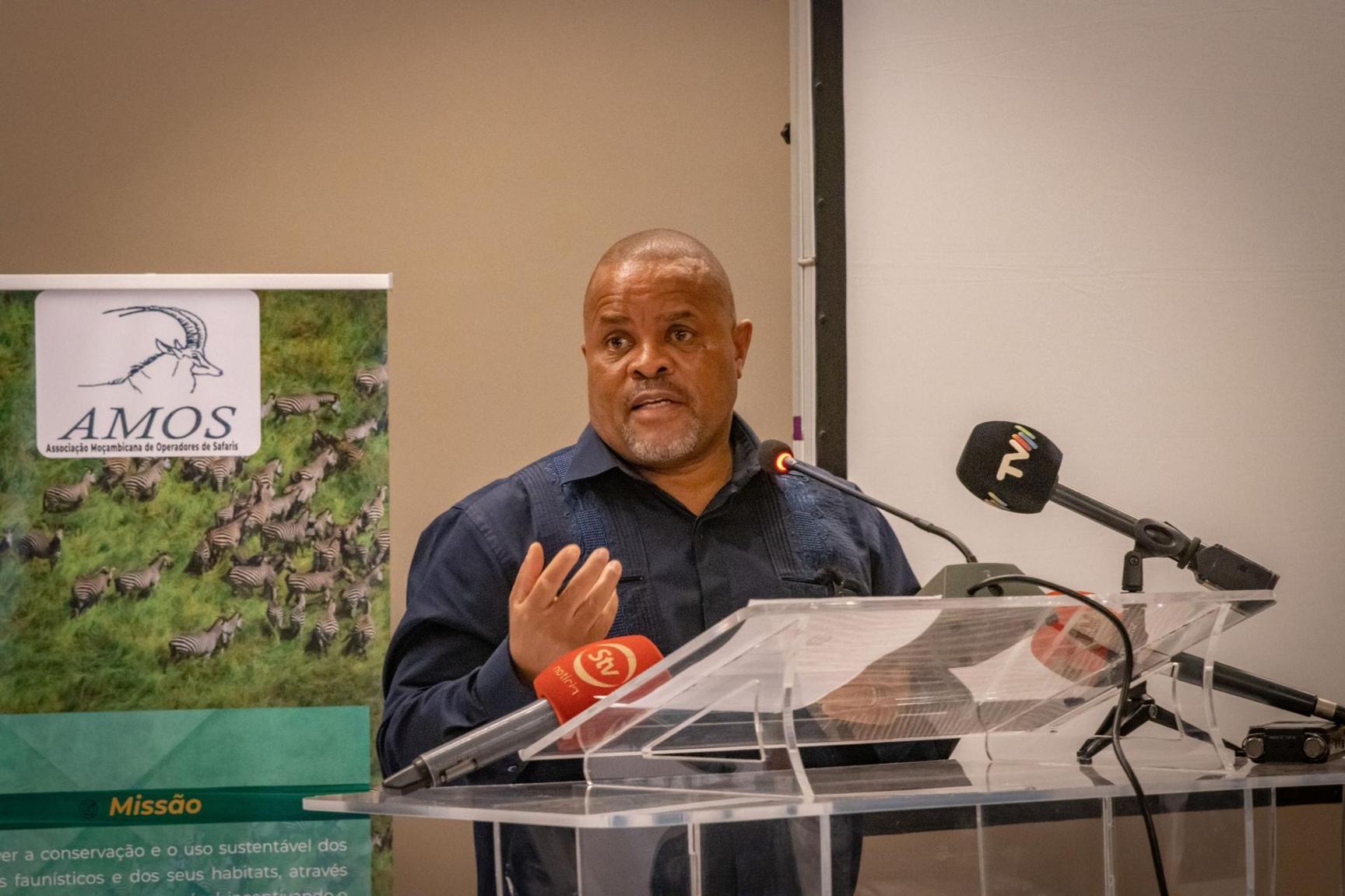
According to the minister, who was speaking on Wednesday, in Maputo, at a Conference on Wildlife Economics, the weak involvement of young people means that their economic potential is being underused.
“If the involvement of safari agents remains remote, it is a sign that the sector is not being sufficiently utilized, which demonstrates that it has not yet managed to capture the necessary interest, especially from young people”, he said.
In order to reverse the situation, the minister called on safari operators to strengthen the technical skills of young people.
“It is fundamental to create space for conservation to translate into effective development, with visible benefits for all actors, from park managers to local communities,” he warned.
For his turn, Carlos Santos, chairperson of the NGO Biofund, said “There are clear signs that wildlife already has an important weight, but it can contribute much more to the national economy. We need results-oriented debate capable of aligning conservation with economic development”.
The head of the country’s Association of Safari Operators, Adamo Valy, considered the meeting an opportunity to redefine the direction of the sector through analysis of successful models in the region.
“The role of operators in remote areas, where they often provide direct support to communities, is important because it paves the way for greater institutional coordination to make the sector more competitive and sustainable”, he said.
Mozambique’s wildlife economy has significant potential for economic growth, yet youth involvement remains limited. Historically, the country has faced challenges in integrating young people into sectors that could benefit from their energy and innovation. The government recognizes that engaging youth in wildlife conservation and tourism can lead to sustainable development, benefiting both the economy and local communities. By fostering skills and interest among the younger generation, Mozambique aims to enhance its wildlife economy and ensure its long-term viability.