What You Need to Know
The Mozambican parliament has approved a new Tobacco Law aimed at reducing tobacco consumption and exposure. This legislation aligns with the World Health Organization’s Framework Convention on Tobacco Control, establishing strict measures to protect public health and mitigate the economic burden of tobacco use. The law is expected to save thousands of lives and create smoke-free environments.
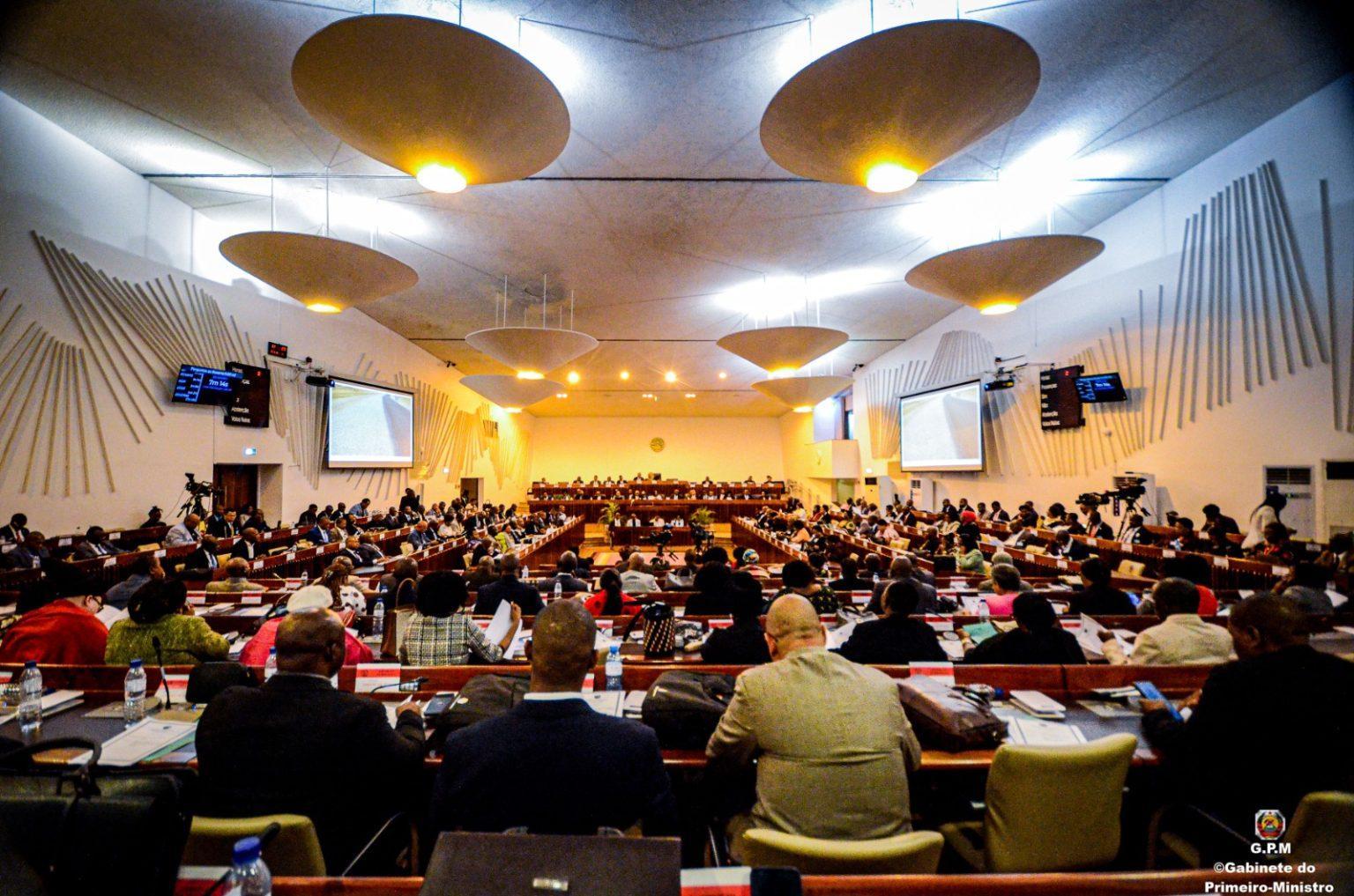
Africa-Press – Mozambique. The Mozambican parliament, the Assembly of the Republic, today approved by consensus and in general terms the Tobacco Law, a measure implementing the convention that requires states to adopt, develop and enforce appropriate measures to prevent and reduce tobacco consumption and exposure to its smoke.
The law complements the World Health Organization Framework Convention on Tobacco Control (WHO FCTC), the first international public health treaty, adopted in 2003 and in force since February 2005.
The new law responds to the global tobacco epidemic, establishing strict control measures aimed at protecting present and future generations from the devastating health, social, environmental and economic consequences of tobacco use and exposure to smoke.
Speaking in parliament during the presentation of the Tobacco Law proposal, the Minister of Justice, Constitutional and Religious Affairs, Mateus Saíze, cited lung and oral cancers, congenital malformations, premature births and sudden infant deaths as the harmful effects of tobacco consumption.
The minister added that tobacco smoke is also harmful because it can cause sexual impotence, gangrene, and “various other ailments.”
According to Saíze, tobacco use imposes a substantial economic burden.
“We face around 11.7 billion meticais in direct and indirect economic losses, equivalent to 1.3 per cent of our GDP: 900 million meticais in health-related expenses and 10.8 billion meticais in indirect economic losses due to premature deaths, illnesses, and work breaks for smoking,” he said.
The minister emphasised that tobacco control measures save lives.
“Reducing tobacco prevalence by 64 per cent over 15 years could help save 53,400 lives, around 3,600 annually,” he stated.
Economic benefits, Saíze added, could prevent 35 per cent of expected losses related to tobacco consumption over the next 15 years.
Approved by the Council of Ministers in April 2021, the National Health Policy includes measures to combat tobacco and its derivatives. Saíze noted that tobacco use and exposure are causes of morbidity, physical and mental disability, and death.
The Minister of Justice stated that the bill also aims to implement measures to limit the sale, consumption and advertising of tobacco products, including new forms of tobacco, derivatives and substitutes, vapour products, heated tobacco, vending machines, electronic cigarettes and other nicotine delivery systems.
Recent statistics from the World Health Organization (WHO) indicate that tobacco use and exposure are the second leading cause of death globally, with devastating health, social and economic consequences.
The law approved yesterday has the potential to establish a legal framework for combating tobacco consumption in line with international commitments, promoting public health protection, creating smoke-free environments, and controlling non-communicable chronic diseases.
The global tobacco epidemic has prompted many countries to adopt stringent tobacco control measures. The World Health Organization Framework Convention on Tobacco Control, established in 2003, serves as a pivotal international treaty aimed at reducing tobacco use and its health impacts. Mozambique’s recent legislation reflects a growing commitment to public health and aligns with global efforts to combat tobacco-related diseases and economic losses. By implementing this law, Mozambique joins a broader movement to address the health crisis posed by tobacco consumption.