What You Need to Know
Daniel Chapo, President of Frelimo, cautioned that Mozambique may soon face a fuel crisis stemming from the ongoing conflict in the Middle East. He emphasized the need for increased investment in public transport to alleviate potential impacts. The government is preparing measures to address rising fuel prices influenced by international market fluctuations.
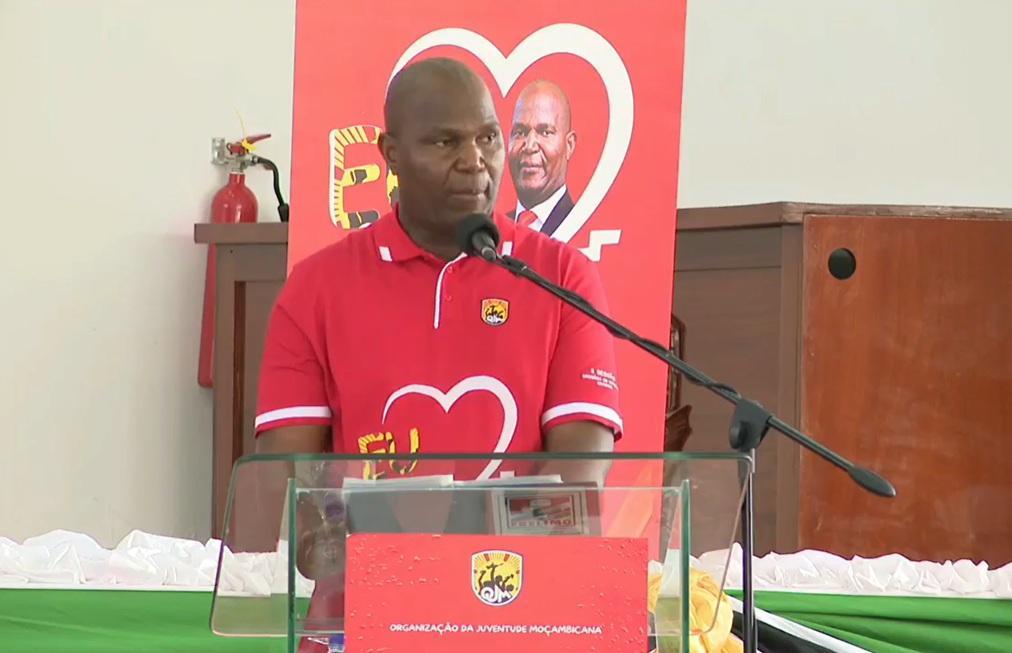
Africa-Press – Mozambique. Daniel Chapo warned today in Maputo that the “fuel crisis” caused by the war in the Middle East could reach Mozambique at any time, calling for greater investment in public transport to mitigate its impact.
Speaking in his capacity as President of the Mozambique Liberation Front (Frelimo, the ruling party), at the opening of the second ordinary session of the Mozambican Youth Organisation (OJM, the party’s youth wing), Chapo said the fuel crisis driven by the Middle East conflict could hit the country “at any time” and urged a stronger focus on public transport.
Chapo underlined the Government’s priority of deploying vehicles for public transport across the country.
“By placing vehicles in the 15 municipalities of the central and northern regions, and next month in May in the southern region, we are precisely anticipating the fuel crisis that may strike at any time due to the war, as you well know, between Iran, the United States and Israel. And with public transport we can minimise the impact of this crisis,” said the Head of State and Frelimo leader in his speech.
Mozambican authorities on Thursday announced that they are preparing measures to mitigate potential fuel price increases, given the unpredictability of international prices due to the war in the Middle East.
“Regarding fuel prices on the international market, there is great unpredictability. It is very difficult at this stage to make any forecast, taking into account the current geopolitical context,” said Felisbela Cunhete, Director of the National Directorate of Hydrocarbons and Fuels (DNHC), in Maputo.
Speaking to journalists, she noted that between January and February the country experienced some stability in fuel prices, a situation that changed this month, with an increase in import costs and in the product itself.
“From April there was an increase in import prices, I am referring to FOB prices [Free on Board] and the price of the product itself, resulting from the conflict in the Middle East, given that most of the product that supplies our market comes from that region,” added the DNHC director.
The disruption of traffic through the Strait of Hormuz, a transport route for around 20% of oil and a significant share of liquefied natural gas traded by sea, led fuel markets to react quickly, resulting in a sharp increase in prices, she said.
She noted that with the recent announcement of a truce between the United States and Iran, markets are now reacting positively; however, the destruction of energy infrastructure in the region as a result of the conflict must be taken into account.
“Both production infrastructure, refineries, and logistics and fuel transport infrastructure have been affected. Therefore, the restoration of all this damage may take some time,” Cunhete explained.
In this context, she added, if the situation persists and countries begin importing products at higher costs, this is expected to be reflected in the domestic market, with the Government preparing to mitigate the impact.
“Therefore, at some point we will have to absorb this price, and the Government is aware of that,” she acknowledged, noting that the executive is already prepared to implement a set of measures to help mitigate the impact on retail prices, as fuel prices have a multiplying effect across the entire economy.
The fuel crisis in Mozambique is closely tied to global events, particularly conflicts in the Middle East that disrupt oil supply chains. The Strait of Hormuz is a critical route for oil transport, and any instability in this region can lead to significant price increases. Mozambique, reliant on imported fuel, faces challenges in maintaining stable prices amidst these geopolitical tensions. The government is actively seeking solutions to mitigate the impact on its economy and citizens, highlighting the importance of public transport as a buffer against rising costs.