What You Need to Know
Mozambican President Daniel Chapo emphasized the need for investment in scientific knowledge to effectively monetize the country’s natural resources. Speaking at a Frelimo Party meeting, he highlighted the importance of technical education and strategic reforms to achieve economic independence and address the challenges posed by population growth and security issues, including terrorism and mining
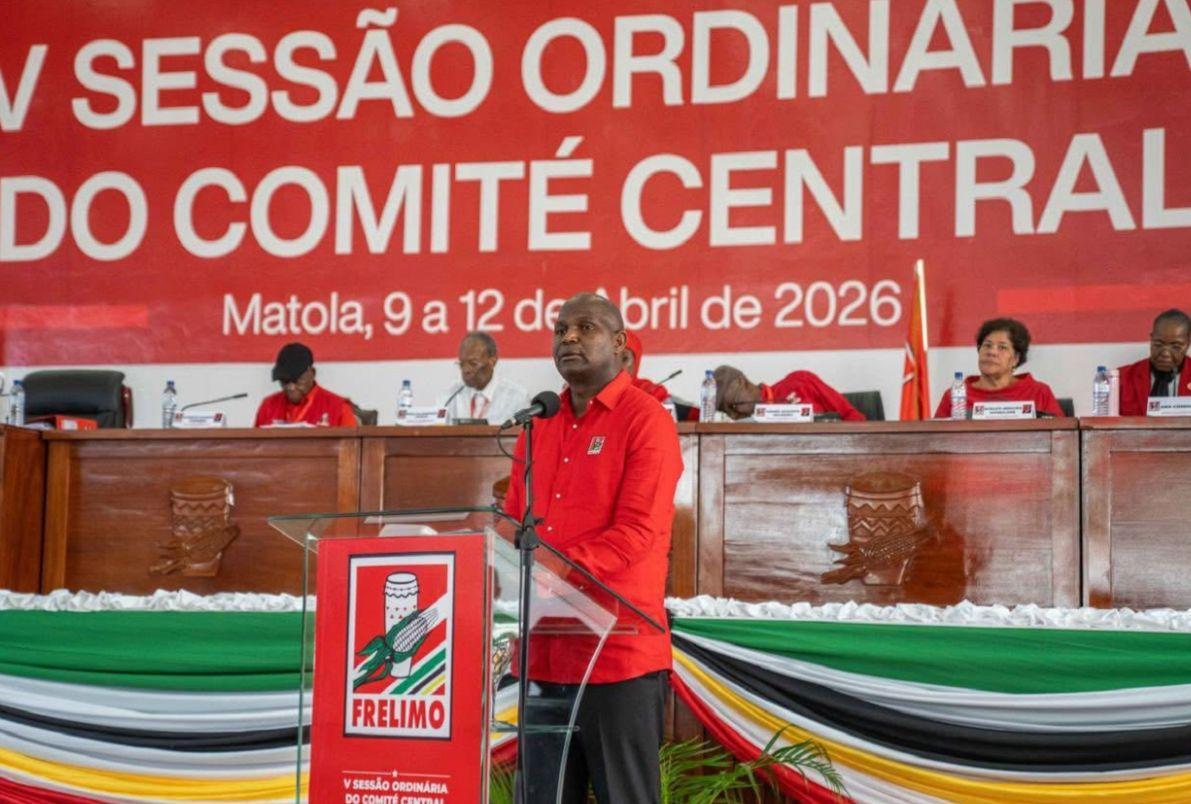
Africa-Press – Mozambique. Mozambican President Daniel Chapo on Saturday called for “investment in specific scientific knowledge” in order to monetise the country’s natural resources.
Speaking at the close of a three day meeting of the Central Committee of the ruling Frelimo Party, in his capacity as President of Frelimo, Chapo said the exploitation and monetisation of these resources “demands scientific knowledge in which we must invest, seriously and strategically”.
Chapo said Mozambique should learn from other countries who have managed to industrialise, even though they have few natural resources. “We must invest more in technical and professional education for productive knowledge in areas strategic for development”, he added. “Only thus can Mozambique make a strategic jump in industrial development, without passing through all the stages that the developed countries passed through”.
Chapo told the Central Committee it was time to act “in a strategic and resolute manner” faced with the demographic explosion the country is facing. The increase in population resulted in an increase in the demand for basic services.
The Central Committee meeting, he said, had stressed the “importance and urgency of far-reaching reforms in building a model of economic development which will allow the country to attain the desired economic independence”.
The debates in the meeting had stressed the use of Mozambique’s critical mineral resources “to create and distribute wealth for the prosperity and happiness of the Mozambican people. The centrality in the debates of the economic question bears witness to the clarity of the vision we have defined for the current cycle of governance, the vision of renewing Mozambique, and creating the foundations for effective economic independence”.
At the opening of the meeting Chapo had stressed that security is “not negotiable”. It was a priority of his governance, with the goals of defending national independence and sovereignty, ensuring the integrity of Mozambican territory, and strengthening the mechanisms to prevent and combat all types of crimes.
Chapo noted that the Islamist terrorists operating in the northern province of Cabo Delgado “are resorting to kidnapping for ransom, psychological intimidation of the public, and infiltration into vulnerable communities as ways to ensure logistical and financial support for their operations”.
He said the government has strengthened the operational capacity of the defence and security forces to deal with the situation. “We are making progress in the affected areas, including the return of displaced people to their zones of origin”, he declared.
He also stressed that illegal mining is a national security problem, given its damaging impacts on the economy and the environment.
“So we have begun a programme to restructure mining, starting with Manica province, where the environmental catastrophe has reached unsustainable proportions”, said Chapo. This restructuring included the establishment of a “special operational theatre in Manica” involving the relevant economic and environmental sectors, the defence forces, and the Tax Authority.
Mozambique has faced significant challenges in its quest for economic development, particularly in leveraging its abundant natural resources. The country’s historical reliance on agriculture and raw material exports has limited its industrial growth. In recent years, the government has recognized the necessity of diversifying its economy and investing in education and technology to foster sustainable development and improve living standards for its citizens. This shift is crucial for addressing both economic and social challenges, including population growth and security threats.