What You Need to Know
Mozambican President Daniel Chapo has warned that ongoing tensions between the United States and Iran could lead to rising fuel prices in Mozambique, affecting the overall cost of living. He noted that much of the country’s fuel is sourced from the Middle East, and the public has already begun to experience long queues at fuel stations as prices remain high. Chapo assured citizens that the state’s
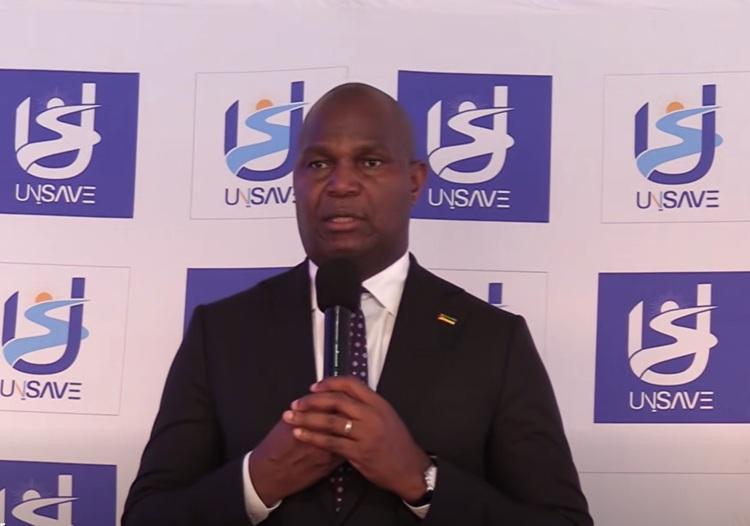
Africa-Press – Mozambique. Mozambican President Daniel Chapo on Tuesday warned that, if the war between the United States and Iran continues, then fuel prices in Mozambique are likely to rise, and with them the overall cost of living.
Speaking in the southern province of Gaza, Chapo pointed out that much of the fuel consumed in Mozambique comes from the Middle East and sooner or later, the prices charged at Mozambican fuel pumps would have to reflect this reality.
He compared the current situation with the Covid-19 pandemic. In both cases, Mozambique had little control over fuel prices. Chapo promised to keep the Mozambican public informed, in order to avoid the spread of disinformation about the availability and prices of fuel.
In Maputo, for the second say running long queues of vehicles built up at those fuel pumps which still had petrol or diesel in their tanks. Motorists who spoke to AIM said they had queued for three hours, for just a dozen litres of petrol.
The owners of the fuel stations imposed an informal rationing system. They would not allow motorists to buy more than 1,000 meticais worth of petrol. The current price of petrol is 83.57 meticais a litre. So 1,000 meticais will buy 12 litres.
Tempers flared at the pumps. The independent television station STV filmed one incident in which a motorist seized a cell phone from an alleged queue jumper and smashed it against the ground.
The government has pledged that more ships laden with refined fuels are on their way to Mozambican ports, and one tanker was filmed in the Bay of Maputo on Wednesday morning.
Mozambique has historically faced challenges with fuel supply and pricing, often influenced by global geopolitical events. The country’s reliance on imported fuel, particularly from the Middle East, makes it vulnerable to fluctuations in international markets. Previous crises, such as the Covid-19 pandemic, have similarly impacted fuel availability and prices, highlighting the need for government transparency and public communication during such times. The current situation underscores the delicate balance Mozambique must maintain in managing its energy needs amidst external pressures.