What You Need to Know
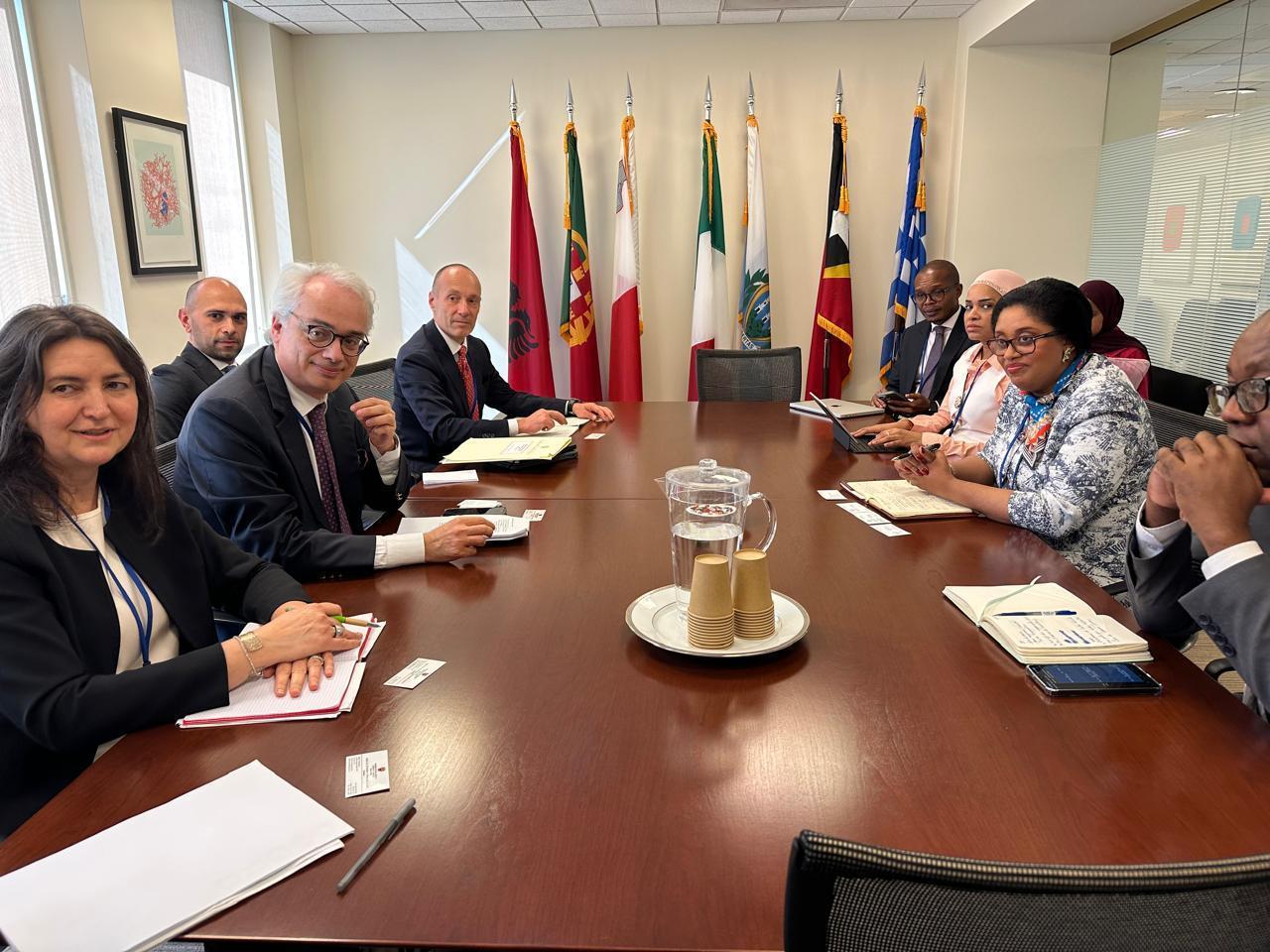
Mozambique’s Finance Minister Carla Loveira attended the IMF African Constituency Group I meeting in Washington DC on April 15. The meeting focused on assessing the IMF and World Bank’s projections regarding the global crisis, particularly influenced by geopolitical tensions. Loveira emphasized the need for Sub-Saharan Africa to navigate a challenging fiscal landscape marked by high debt and dwind
Africa-Press – Mozambique. Mozambique’s Finance Minister Carla Loveira participated on Wednesday (15 April) in Washington DC in the meeting of the African Constituency Group I of the International Monetary Fund (IMF), of which Mozambique is a member, with the aim of assessing IMF and World Bank projections on the global crisis triggered by the war between Iran and the United States.
In Mozambique’s case, according to Carla Loveira, the government is working with the banking sector to identify mechanisms to ensure the availability of foreign currency reserves for the payment of fuel import bills.
According to the minister, Sub-Saharan Africa must position itself, as it faces a turbulent fiscal environment shaped by cascading global shocks, geopolitical instability, climate disruptions and tighter financial conditions, including reduced official development assistance.
These pressures have deepened fiscal vulnerabilities, with many countries facing high levels of debt, limited fiscal space and persistent balance of payments challenges.
The International Monetary Fund (IMF) plays a crucial role in global economic stability, particularly for developing nations. Mozambique, as a member of the IMF, engages in discussions that shape its economic policies and responses to global crises. The current geopolitical tensions, especially between major powers, have significant implications for fiscal health in Sub-Saharan Africa, necessitating strategic planning and cooperation among member states to mitigate risks and enhance resilience. Historical fiscal challenges in the region have often been exacerbated by external shocks, making such meetings vital for collaborative solutions.