What You Need to Know
High-ranking officials from Mozambique’s National Social Security Institute (INSS) face serious charges of embezzling over 433 million meticais. The Attorney General’s Office has detailed a corruption scheme involving inflated service contracts and illicit transfers to the officials’ accounts. Seven individuals, including the INSS Director-General, have been indicted for various crimes, including,
Africa-Press – Mozambique. The Mozambican Attorney General’s Office (PGR) has accused high-ranking officials from the National Social Security Institute (INSS) of embezzling over 433 million meticais (6.7 million US dollars, at the current exchange rate).
Last April, the country’s Criminal Investigation Service (Sernic), in coordination with the Central Office for the Fight Against Corruption (GCCC), detained the INSS Director-General, Joaquim Siúta; the Financial Director, Jaime Nhavene; the head of INSS procurement, José Chidengo; and a businessman named Aboobacar Sumaila.
The case involves in total seven defendants, “indicted for crimes of embezzlement, mismanagement, active corruption, and criminal conspiracy.”
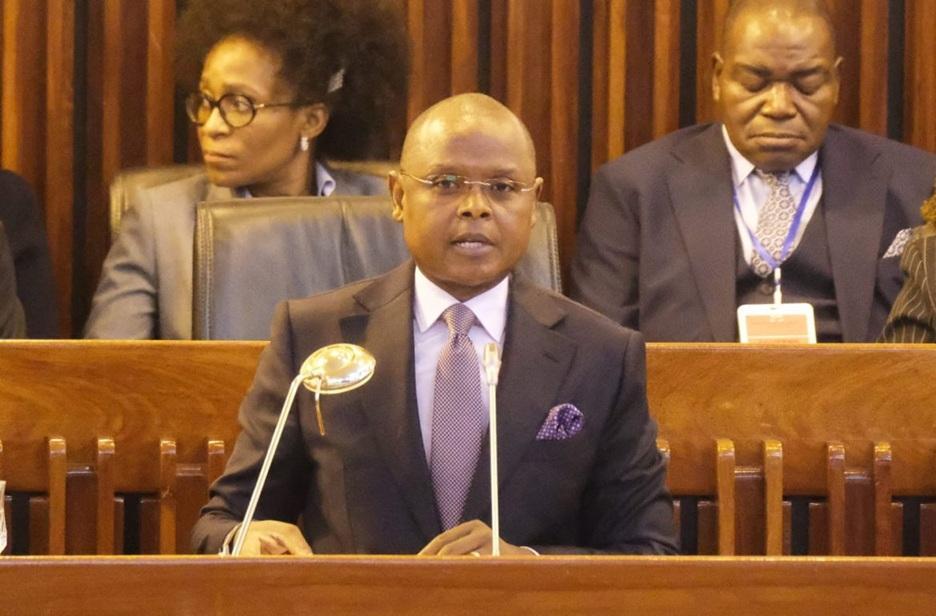
According to the PGR Annual Report, presented on Wednesday by the Attorney-General, Americo Letela, to the country’s parliament, the Assembly of the Republic, the corruption scheme began when the INSS signed two service contracts valued at 48.5 million meticais with a company owned by Aboobacar Sumaila.
Nevertheless, instead of paying the agreed amount to the service provider, the INSS managers paid “an amount above what was contracted, causing a loss of approximately 433 million meticais.”
“The amount was credited to the account of the contracted company and, immediately afterwards, transferred to the accounts of the aforementioned managers”, said the PGR.
The report does not reveal the types of services contracted by the INSS. However, it is known that Aboobacar Sumaila operates in the graphic arts and mass media sector.
The PGR also said that the detention of officials from the Administrative Tribunal, the body responsible for checking the legality of Mozambican public expenditure, was related to bribes that they demanded to facilitate registration procedures or for the issuing of visas.
The report said that Tribunal staff would illegally call users to demand bribes equivalent to 10 percent of the fees they should pay as a condition for handing over files they had already processed.
Corruption has been a persistent issue in Mozambique, affecting various sectors and undermining public trust. The National Social Security Institute (INSS) has been under scrutiny for its financial management practices, particularly regarding contracts and expenditures. This recent case highlights ongoing challenges in combating corruption within public institutions, as officials exploit their positions for personal gain. The government’s efforts to address these issues have included increased oversight and legal actions against corrupt practices, but the effectiveness of these measures remains to be seen.