What You Need to Know
The Mozambican government has introduced two new inspectorates, the General State Inspectorate (IGE) and the General Inspectorate of Food and Economic Security (IGSAE), to enhance transparency and consumer safety. These bodies aim to unify oversight functions and improve accountability in public administration and economic activities.
Africa-Press – Mozambique. The budgetary requirements of the new inspectorates will be met using resources previously allocated to the General Inspectorate of Finance (IGF) and the General Inspectorate of Public Administration (IGAP) and to the National Inspectorate of Economic Activities (INAE)
The Mozambican government has launched two inspectorates aimed at strengthening transparency and guaranteeing consumer safety.
The bodies in question are the General State Inspectorate (IGE) and the General Inspectorate of Food and Economic Security (IGSAE), both focused on technology and greater coordination to reduce irregularities, strengthen transparency, and guarantee consumer safety.
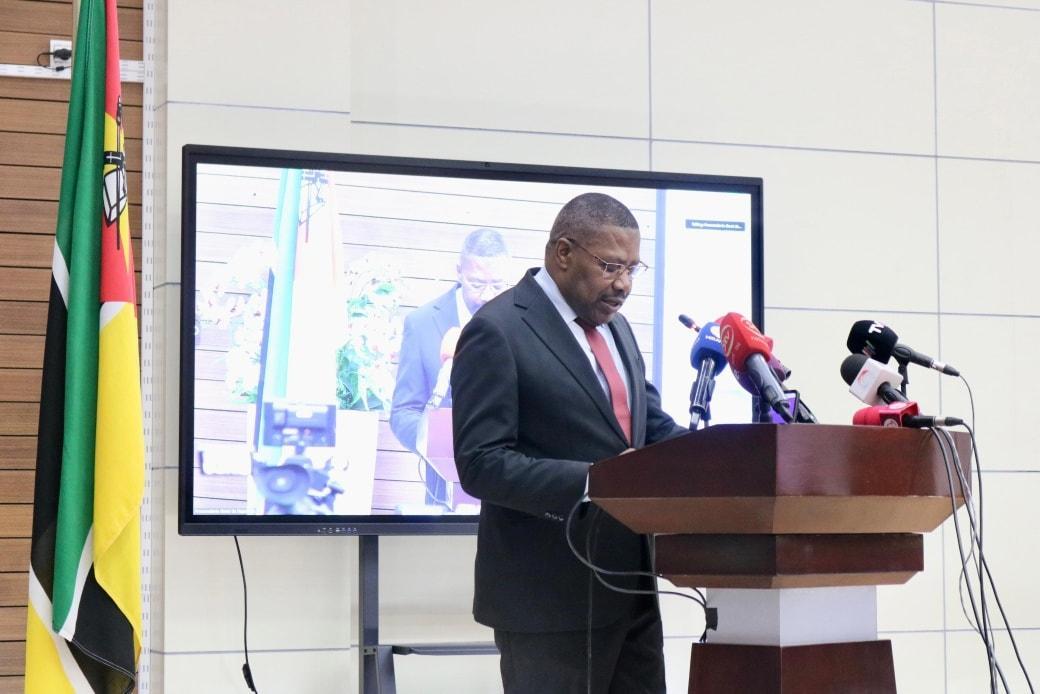
According to Vicente Joaquim, Secretary of State in Maputo City, speaking at a ceremony aimed at publicizing the regulations establishing these bodies, the measure is a response to reforms stemming from the commitment made by Mozambican President Daniel Chapo “to strengthen the national system of state oversight and inspection.”
“New institutions result from the approval of laws, which establish a new institutional architecture for the control and oversight of State and economic activities”, he said.
Joaquim explained that the IGE results from the merger of the former General Inspectorates of Finance (IGF) and Public Administration (IGAP), with the objective of unifying and modernizing the national system of administrative and financial auditing, oversight, and inspection.
“The aim is to prevent and detect irregularities and acts of corruption, strengthening internal control and accountability mechanisms, as well as promoting a culture of accountability and public ethics”, he said.
He added that the IGE will be a central and independent body with broad auditing, oversight, and inspection powers, “ensuring control of legality, efficiency, effectiveness, and transparency in the management of public affairs.”
The institution should also incorporate innovative technological solutions, including integrated information systems, artificial intelligence, and data analysis, with a view to the preventive detection of irregularities and mitigation of corruption risks.
General Inspectorate of Food and Economic Security (IGSAE)
As for the IGSAE, Joaquim explained that the objective is to strengthen coordination in the oversight of economic activity, protect consumers, and guarantee food safety.
“It is aimed at guaranteeing transparency, legality, and efficiency in the oversight of economic activity, the defence of consumer rights, the improvement of the business environment, and the consequent attraction of investments”, he said.
The previous model, he explained, presented constraints, namely the overlapping of functions between entities, lack of coordination, and repetitive and unpredictable inspections that penalized economic agents.
Among other challenges, he also pointed to resource limitations, weak consumer protection, insufficient control of food safety, and low accountability of public managers for detected irregularities.
“The creation of the IGE and the IGSAE will lead to a more resilient and reliable State, more protected citizens, and companies operating with greater predictability and lower costs, constituting a triple gain for the country: better governance, a better economy, and a better quality of life”, he claimed.
Joaquim also explained that the budgetary requirements of the new bodies will be ensured by the resources previously allocated to the General Inspectorate of Finance (IGF), the General Inspectorate of Public Administration (IGAP), and the National Inspectorate of Economic Activities (INAE).
The establishment of the IGE and IGSAE is part of broader reforms initiated by President Daniel Chapo to strengthen state oversight in Mozambique. These reforms are designed to address previous inefficiencies in the inspectorate system, which suffered from overlapping functions and inadequate consumer protection. By merging existing inspectorates, the government aims to create a more effective and coordinated approach to governance and economic regulation, ultimately fostering a better business environment and enhancing public trust.