What You Need to Know
Mozambique is actively seeking to attract Chinese investment following President Daniel Chapo’s recent state visit to China. This visit is seen as the beginning of a new phase in economic cooperation, with Chapo promoting Mozambique as a safe investment destination, particularly in infrastructure and productive industries. Experts highlight the potential benefits for both nations in enhancing this
Africa-Press – Mozambique. Mozambique has signalled a renewed push to attract Chinese investment after a state visit to China by President Daniel Chapo, described by authorities as the start of a new chapter in economic and commercial cooperation.
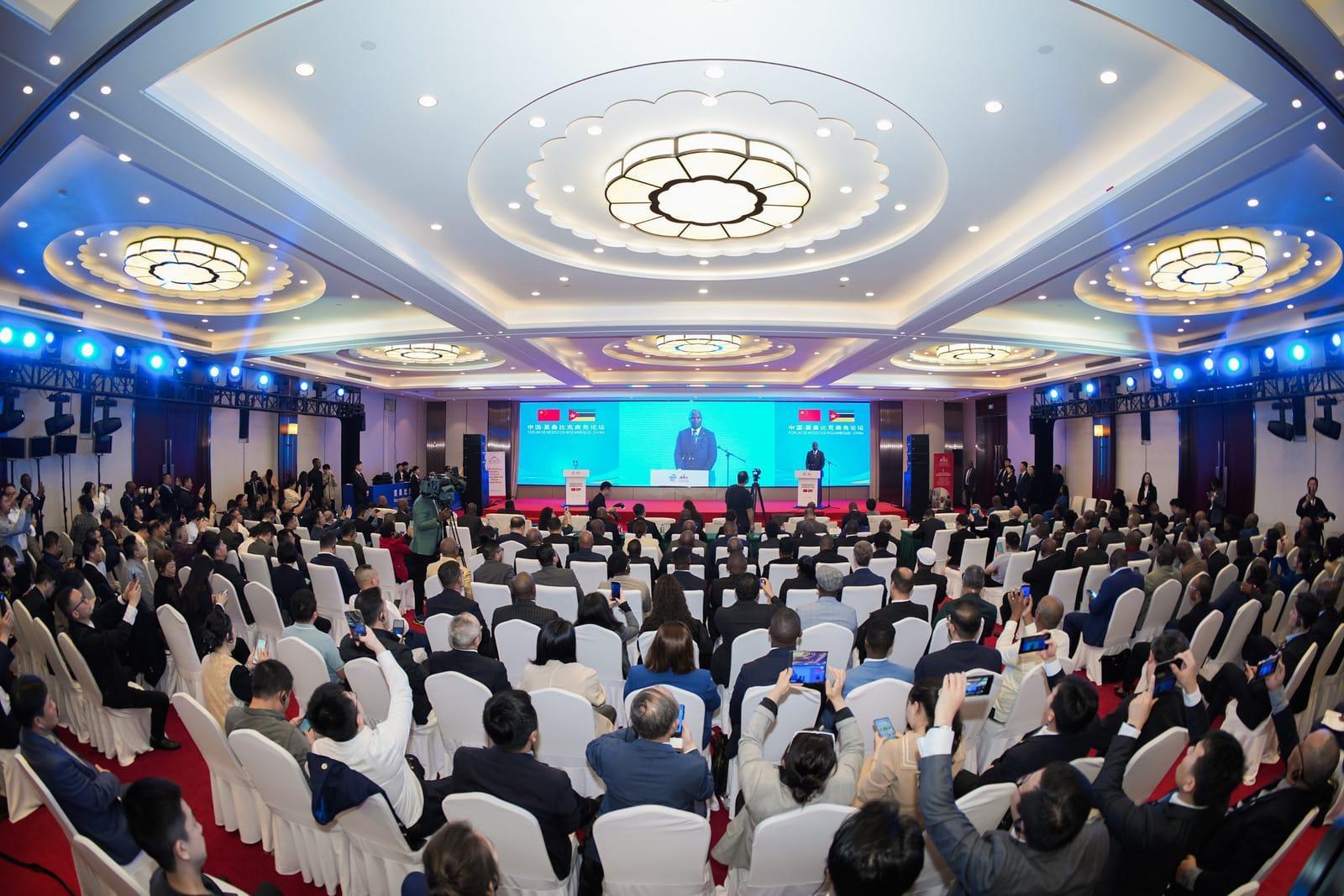
Speaking at a business breakfast in Changsha during a Sino‐Mozambican Business Forum, President Chapo invited Chinese companies to invest in Mozambique, presenting Mozambique as an attractive and safe destination for capital, particularly in sectors linked to infrastructure and productive industries.
Senior Country Economist at the International Growth Centre in Mozambique, Dr Egas Daniel, said the visit comes at a time when Mozambique faces increasing difficulty in securing partners to finance major infrastructure, while significant investment opportunities remain under‐exploited.
Daniel said the relationship between Mozambique and China has historically carried political significance dating back to the 1960s, but current engagement is increasingly driven by economics. Daniel said Mozambique stands to benefit from financing and commercial agreements that can unlock infrastructure upgrades, while China stands to gain access to new markets and strategic commodities.
Daniel highlighted that China remains among Mozambique’s top trade partners alongside South Africa and India, and said a deeper trade relationship could offer mutual benefits. Daniel said Mozambique is expected to become a major exporter of natural gas over the longer term, supporting China’s demand for energy, while Mozambique remains a market for Chinese intermediate and finished goods.
Daniel said improved investment in roads, ports and logistics could have direct implications for rural livelihoods, given that agricultural productivity in Mozambique remains closely linked to infrastructure quality. Daniel said weak transport networks increase transaction costs and prevent rural producers from moving goods efficiently to consumer centres, limiting competitiveness and slowing economic transformation.
Daniel also argued that tariff exemptions offered by China could help reshape Mozambique’s export structure and reduce trade imbalances, but success will depend on careful product selection and targeted sector strategy. Daniel said stronger competitiveness under tariff‐free access could support export growth, provided priority products and value chains are developed.
The relationship between Mozambique and China has evolved significantly since the 1960s, initially rooted in political alliances during Mozambique’s struggle for independence. Over the years, this partnership has shifted towards economic collaboration, with China emerging as one of Mozambique’s key trade partners. The current focus on investment and infrastructure development reflects a broader trend of increasing economic interdependence, as both countries seek to capitalize on mutual opportunities in trade and resource management.