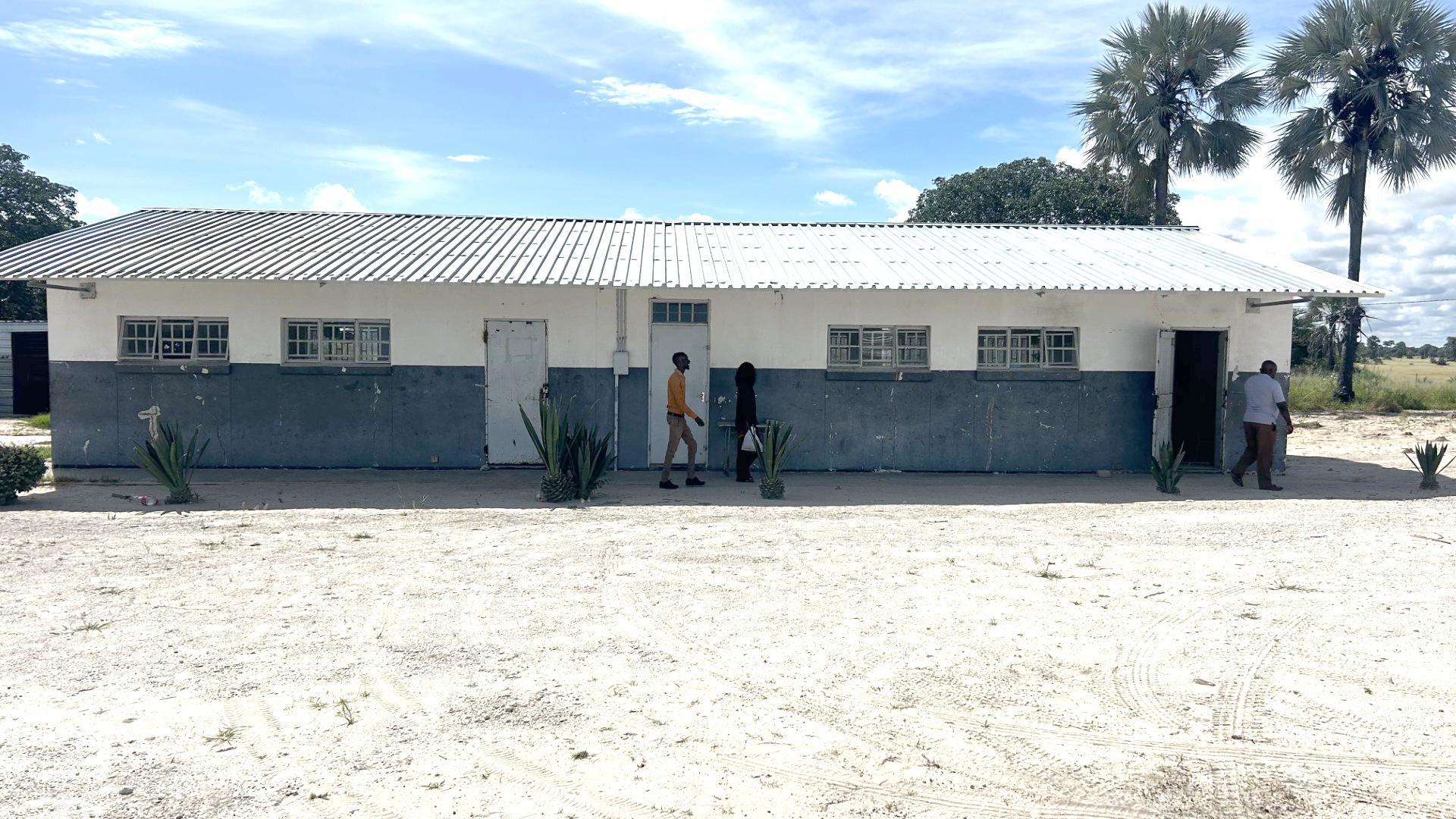
Africa-Press – Namibia. The silence at Mutwarantja Primary School is deafening. A month after the gates were first locked on January 22, 2026, the desks remain empty and the chalkboard clean.
What began as a one-week suspension due to a sanitation crisis has morphed into a full-scale educational shutdown in the Rundu Rural constituency, leaving approximately 300 learners (Grades 0-7) in a state of academic limbo.
The crisis centres on the school’s dilapidated pit latrines, which parents and staff describe as a “death trap” for young children. Parents have vowed that their children will not return until the government provides a dignified solution.
“We have decided to wait until they construct proper toilets. The current ones have worms, and our children are getting sick with flu and other illnesses,” said a concerned parent in January when the school shut down. Before these failing latrines existed, learners were forced to use the surrounding bushes, a practice they refused to return to in 2026.
Bureaucracy vs urgency
In an interview with New Era in January, Kavango East Director of Education Christine Shilima confirmed that a meeting was held to address the crisis.
That time, Shilima noted that the education directorate had submitted a formal request to the Department of Works to conduct an assessment not only at Mutwarantja but at five other schools identified as being in “dire need” of urgent sanitation intervention.
However, the path to a solution is bogged down by procurement hurdles.
Shilima also urged the school to use its internal Universal Education Grant (UEG) funds to hire a contractor to pump out overflowing septic tanks and provide temporary toilets for teachers.
“The directorate came back to us to cancel that advice, saying that the regional council found a budget to construct the toilets and we have been waiting since then,’’ said the school principal, Bonifatius Kurera Hausiku.
He also said that teachers started to come to school on Wednesday and knocks off at 10am and are now waiting for the education directorate to decide whether learners will have to come back and resume classes or not.
“We are really behind, a lot of work could have been covered in a month but our learners have missed out and that will affect us as a school at the end of the day. The school holiday is around the corner,’’ Hausiku said.
Regional pattern
Mutwarantja is not alone. The sanitation rot appears widespread across the region, with the Namibia National Teachers Union (Nantu) previously intervening at schools like Ndama Junior Primary for similar health hazards.
For now, the 300 learners of Mutwarantja wait at home, and their right to an education stalled by the lack of a basic toilet. Director of education, Christine Shilima, yesterday said the procurement process is the reason of the delay, as it is out of her hands, although funds are available.
For More News And Analysis About Namibia Follow Africa-Press