Africa-Press – Namibia. Urban and Rural Development Minister James Sankwasa has delivered a scathing assessment of the Rehoboth Town Council, calling for “courageous intervention” to address deep-rooted governance and financial failures.
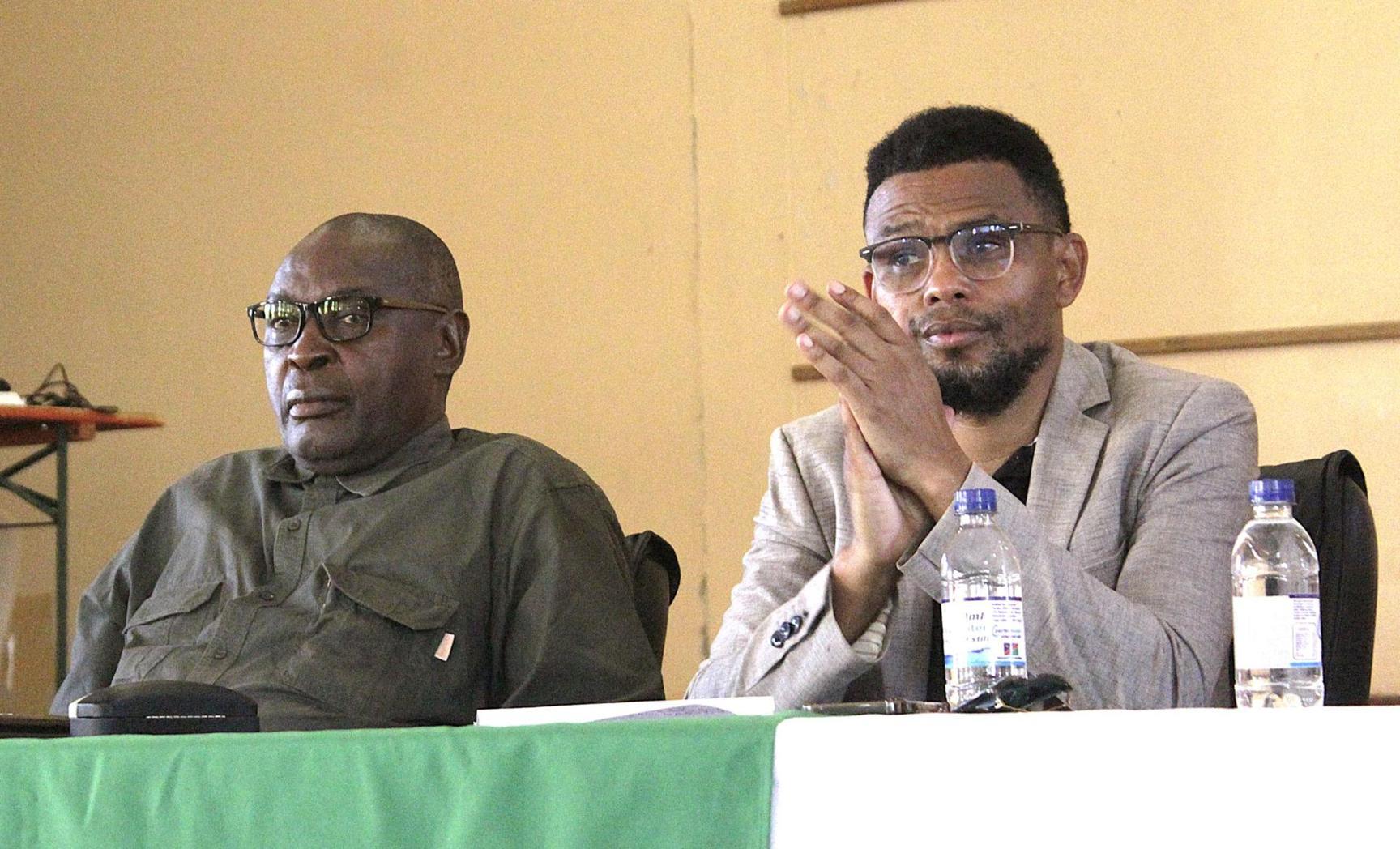
Speaking at a packed meeting at the Hermanus van Wyk Hall last week, Sankwasa confronted residents’ concerns over poor service delivery, lack of accountability and alleged mismanagement. The engagement drew community activists, local leaders and regional officials, including Hardap Governor Riaan McNab and Mayor Jackie Khariseb.
Ballooning debt raises red flags
Sankwasa revealed that the Rehoboth Town Council (RTC) owes about N$145 million to NamWater and N$140 million to NamPower—an alarming rise from roughly N$3 million in 2020. This is despite government injecting N$34 million for water and N$36 million for electricity. He questioned how such debt accumulated without corresponding improvements in services.
“Rehoboth should be one of the richest town councils given its population and economic potential,” he said, stressing that the municipality ought to generate sufficient revenue to sustain operations.
Council ignored directives
The minister further criticised RTC for failing to respond to a directive issued in May 2025 requiring councils to submit details of outstanding bills. Rehoboth, he said, did not comply.
“I need answers—why did the debt rise, and what happened to the funds?” Sankwasa demanded, warning that both current and former councillors would be held accountable.
Service cuts on the table
He cautioned that if the debts are not addressed by the end of May 2026, NamWater and NamPower could be allowed to suspend services. While describing this as a last resort, Sankwasa said government cannot continue tolerating financial mismanagement that threatens essential services.
Systemic failures highlighted
Beyond the debt, the minister pointed to broader governance issues, including alleged nepotism, procurement irregularities and poor administration. He said faulty installation of prepaid meters and lack of community engagement since 2020 have worsened residents’ frustrations.
“Where there is malpractice or political sabotage, we will act,” he warned.
Internal measures underway
Mayor Khariseb said the council has begun corrective steps, including ordering municipal staff to settle outstanding accounts by 31 March 2026. “Officials must lead by example,” he said.
Community demands accountability
Residents and civic leaders welcomed the minister’s intervention but called for deeper action. André Pretorius, chairperson of the Rehoboth Community Representatives, urged a full forensic investigation, leadership changes and accountability from senior officials.
Residents are also pushing for the Anti-Corruption Commission to conduct a comprehensive audit into the council’s affairs. Local activist Abes Kaibib described the minister’s response as a positive step, adding that the community is ready to work with government to restore stability.
Critical deadline looms
With the May 2026 deadline approaching, pressure is mounting on RTC to address its financial and governance challenges. Sankwasa’s intervention signals possible investigations and sweeping reforms, as residents demand transparency and a fresh start for the troubled municipality.
For More News And Analysis About Namibia Follow Africa-Press