Africa-Press – Namibia. President Netumbo Nandi-Ndaitwah has been urged to intervene in the struggling aviation training sector after the Namibia Aviation Training Academy (Nata) laid bare its dire financial situation.
The academy revealed funding shortages and a lack of equipment are threatening the country’s capacity to produce local pilots as its biggest challenge.
The President met the Nata delegation at State House yesterday.
There, she was briefed on the institution’s operations, challenges and future.
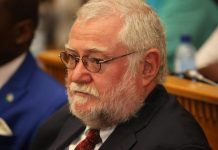
The delegation was led by accountable manager Endjala !Haradoeb.
The academy, established in 2000, has trained about 500 pilots since its inception. However, it currently has 56 active students and about 40 inactive students who have been forced to halt their training due to a lack of study materials and funding.
Receiving the delegation, Nandi- Ndaitwah said: “I appreciate the initiative for you to come and let me know exactly what is happening in our aviation, particularly when it comes to capacity-building. I am really looking forward to learning more.”
Addressing the President, !Haradoeb said the academy was founded to empower previously disadvantaged Namibians and integrate them into the aviation industry, which had limited local participation at independence.
He noted that the institution has played a critical role in training pilots, aircraft maintenance engineers and technicians but is now facing serious operational challenges.
In a follow-up interview !Haradoeb said the main purpose of the meeting was to seek government support for capacity building and funding.
“We came to sensitise the head of State about what is happening in the industry and to request support to empower locals, especially formerly disadvantaged Namibians, to become pilots and aviation professionals,” he said.
He warned that Namibia is currently facing a shortage of qualified flight instructors, with many positions filled by foreign nationals.
“Most of our instructors are from elsewhere, and we need to capacitate locals,” he said.
!Haradoeb also highlighted emerging opportunities in the oil and gas sector, which are expected to increase demand for helicopter pilots.
“With oil and gas coming, there will be a lot of helicopter traffic. We want local pilots to be trained to fly those helicopters,” he said.
He continued: “We do not want a situation where foreign operators come with their equipment and skills, and all the benefits leave the country.”
The academy is also grappling with outdated training equipment, including aircraft dating back to the 1960s and 1970s.
“We need to revitalise our fleet. The cost of acquiring helicopters and modern training aircraft is very high,” he said.
Despite the challenges, he described the meeting with the president as positive and expressed hope that the government would prioritise the sector, particularly as plans for a new national airline take shape.
Without urgent intervention, Namibia risks losing out on developing its own aviation workforce at a time when demand for skilled professionals is expected to grow, he further noted.
For More News And Analysis About Namibia Follow Africa-Press