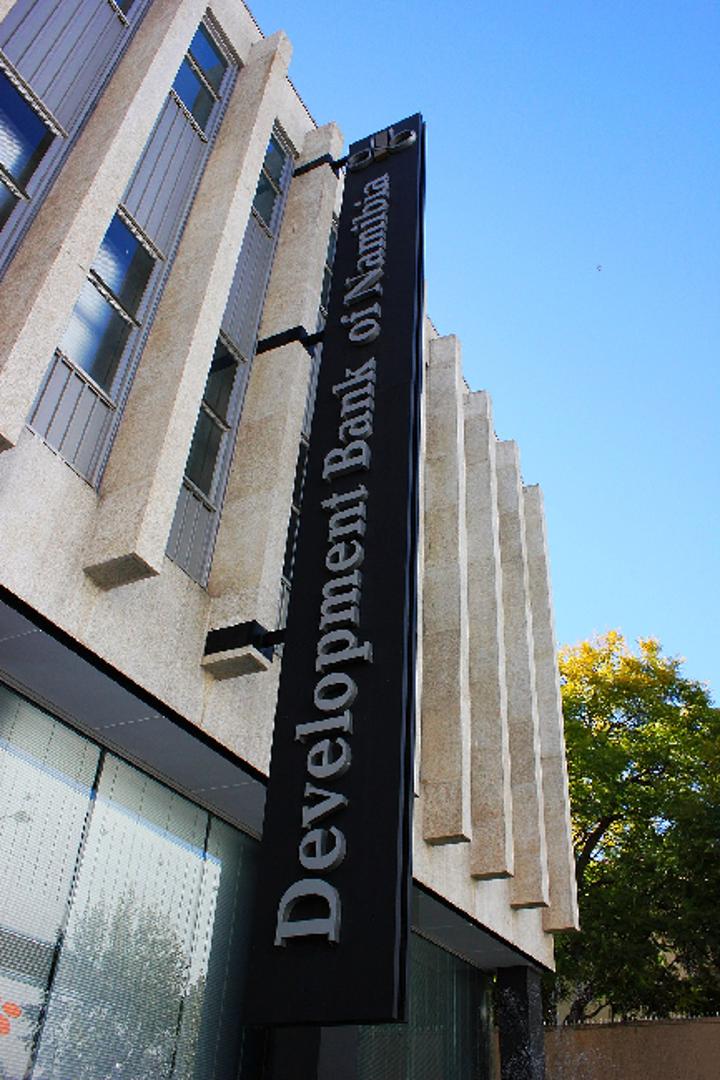
Africa-Press – Namibia. THE Development Bank of Namibia (DBN) says it is imperative to understand the importance of lending and borrowing.
The bank’s marketing and corporate communication executive, Jerome Mutumba, added that understanding the above should be factored into the concept of development finance.
He said this is in the wake of emerging calls for write-offs of loan repayments for small and medium enterprises (SME) issued to enhance Namibia’s development, economic activity and prosperity. In a statement yesterday, Mutumba explained that there is a distinction between finance for development and commercial finance.
“Finance for development will be allocated with the goal of supporting and enhancing economic activity, while commercial finance, in the main, will have the goal of achieving returns for the lender, without the natural preoccupation to impact development,” he said.
Both, however, will have the prerequisite of returns on capital in order to sustain their operations, the executive noted. He added that in the event that loans are not repaid, both development and commercial finance will fail.
“In making the choice between sources of commercial or development finance, the borrower will envisage the same outcome, regardless of the source of finance: a viable enterprise that will be a source of financial growth and income,” Mutumba noted.
He said the choice of lender, on the other hand, may influence the terms of the loan in favour of the borrower. A development finance institution (DFI) may, for instance, accept a greater degree of risk, offer capacity development services to borrowers and offer flexibility on repayment.
According to the executive, to qualify for a DFI loan, the borrower has to recognise the goals of development finance and ensure that she or he can fulfil those requirements.
“The first cut decision of development finance will be a clear indication that the borrower can satisfy the terms of the loan. If not, the borrower will not be able to satisfy the DFI’s development goals, such as employment, development of capital, economic activity and other factors,” he said.
As a lender, the DFI will have the additional consideration of its own sustainability. It has the moral, patriotic and economic obligation to preserve its own capital, as well as collect interest, which will be used to sustain and grow its operational capacity, by providing more loans to a greater number of borrowers.
Mutumba also pointed out that as the benefits of development finance are allocated from a common national resource, the impact of the broader goals of development extends beyond the owner and the DFI.
“Both the lender and the borrower must hold themselves responsible,” he added.
Mutumba said when enterprises experience difficulties, the banks quickly notice and approach the borrower to examine the source of the business challenge and try to rectify the situation, rather than immediately call up the debt and recover it through a legal process.
He illustrated that once the impact of Covid-19 became clear, DBN implemented repayment holidays and extended loan repayment periods to reduce the monthly debt burden on SMEs, as well as tourism and hospitality borrowers. It subsequently launched Covid-19 business recovery loans.
For More News And Analysis About Namibia Follow Africa-Press