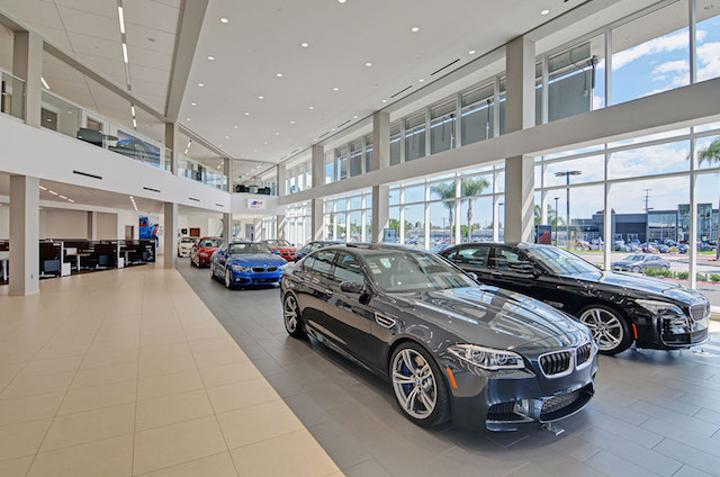
Africa-Press – Namibia. NAMIBIAN car dealerships are set to continue struggling to source stock from international factories as the war in Ukraine is expected to further weigh down on already struggling global vehicle production in the coming months.
Both Russia and Ukraine are key global exporters of materials used to manufacture electronic chips for vehicles, and the war has brought uncertainty to the motor industry.
Analysts at Simonis Storm Securities say this may increase the price of new vehicles in 2022. Local dealerships are expected to continue struggling to source new stock, which will limit growth in the sale of new vehicles.
The analysts say the local market can still be characterised by demand exceeding supply, indicating that vehicle sales would be higher in the absence of global vehicle manufacturing limitations – despite the prospect of rising interest rates.
Recent National Association of Automobile Manufacturers South Africa (Naamsa) figures show that a total of 883 new vehicles were sold in Namibia during February.
This is more than the 705 sold in January this year, but it still lags behind the 893 new units sold a year ago in the same month. February vehicle sales were mainly driven by purchases of passenger (49,7% of total units sold) and light commercial vehicles (41,4%).
During February, the top-five brands in terms of sales market share were Toyota (45,8%), Volkswagen (8,5%), Ford (5,0%), and KIA and Nissan sharing 4,9% of total sales.
During 2021, most dealerships across brands saw vehicle price increases of 2% to 3% every quarter, and as a result, vehicle price inflation according to consumer price basket data increased by 8,8% on average in 2021, compared to the five-year average of 6,8%.
“Despite official figures showing a decline in vehicle inflation towards the end of 2021, we believe that both new and second-hand vehicle prices will continue to rise for 2022 in Namibia,” Simonis analysts say.
Europe now faces higher logistics costs, longer delays, and a list of sanctions to navigate as the war in Ukraine impedes the movement of cargo between Europe and Asia. The chaos at Ukraine’s borders also limits movement in and out of the country.
Ukraine is one of the biggest suppliers of auto parts to European car manufacturers, and with the expected disruptions to factory output in Ukraine, BMW and Volkswagen have alluded to temporary shutdowns at their factories due to parts shortages.
Production cuts are expected for both combustion engine and electric vehicles. BMW has announced they will suspend local assembly in Russia. According to the German car lobby group VDA, German automotive companies have about 49 production sites in Russia and Ukraine.
Global car manufacturers have joined in on sanctioning Russia, where Jaguar, Land Rover, General Motors, Harley Davidson and BMW have halted shipments to Russia.
For More News And Analysis About Namibia Follow Africa-Press