Africa-Press – Namibia. THE Ministry of Agriculture, Water and Land Reform plans to enhance food security in the country by ensuring production increases by 20%, and food insecurity is reduced from 25% to 12%.
This was said by Mildred Kambinda, the deputy executive director of agriculture, water and land reform, at the handover of a storeroom by the Turkish Cooperation and Coordination Agency (Tika) at the Mannheim Crop Research Station at Tsumeb yesterday.
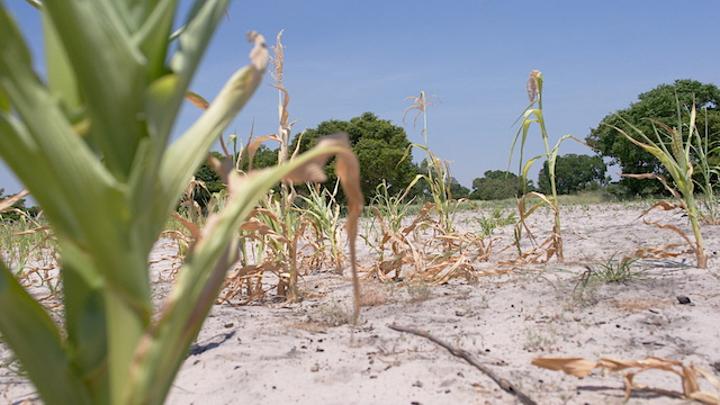
Kambinda said the use of quality seed, water and nutrient-efficient technologies are important to reduce the impact of climate change on agriculture, including droughts, floods, extreme temperatures, pests and diseases which reduce crop yields – especially for small-scale farmers.
“Quality seeds are the foundation of good agriculture. It takes well-established systems to make quality seeds available to farming communities, and this is key to Namibia’s agricultural sector, contributing a target of 3,7% of gross domestic product (GDP), and sustaining 70% of Namibians who derive their livelihood directly and indirectly from agriculture,” she said.
Kambina expressed her appreciation of the role the Namibia Agricultural Mechanisation and Seed Improvement Project (Namsip) plays in the ministry.
This is a stand-alone project aimed at improving crop and livestock value chains, which is co-funded through a loan from the Africa Development Bank (AfDB).
Kambinda said a well-established seed system requires harmony in all sectors, like the public and private sectors, developmental partners and donor agencies.
“Seed processing and storage are important to maintain quality seed. This requires infrastructure, such as the cool room we are receiving from Tika today. Such infrastructure has the potential to prevent or reduce seed losses.
“The cool room symbolises a strong relationship and good support from our development partners. The Tika office is demonstrating a joint effort with the ministry to address food insecurity at both household and national level,” she said.
Aydin Apaydin, the country coordinator for Tika, said the project’s goal is to improve the seed storage at the Mannheim Crop Research Station to support the multiplication of newly developed cowpea mutant seed varieties.
“With 40% of seed produced at the research station going to waste each year, this cold room would preserve and store seeds, increasing seed availability to breeders for the multiplication of certified seeds that can be distributed among Namibia’s targeted cropping regions.
“Seed is an essential determinant of agricultural production potential, and the effectiveness of other agricultural inputs depends on it. We also know that seed is a critical source of agricultural productivity innovation, especially for resource-constrained small-scale farmers,” he said, adding that improved seed can significantly boost agricultural productivity in arid countries such as Namibia.
“Furthermore, seed is a fundamental unit in agriculture, serving as the foundation for food security and biodiversity conservation. That is why we are thrilled to be changing people’s lives today.
“As Tika we are confident that this project will provide rural people, particularly smallholder farmers, with easy access to quality certified seeds, thereby improving their livelihoods,” Apaydin said.
For More News And Analysis About Namibia Follow Africa-Press