Africa-Press – Namibia. THE minister of fisheries and marine resources, Derek Klazen, is on a week-long visit to the Kavango East and Kavango West regions to familiarise himself of the state of inland fisheries and aquaculture development in the area.
According to a statement issued by the ministry’s public relations officer, Uaripi Katjiukua, Klazen yesterday morning toured Kamutjonga Inland Fisheries Institute, where students are trained in aquaculture, before going to Mpungu Fish Farm in the afternoon.
Klazen is accompanied by fisheries deputy minister Silvia Makgone, and executive director Annely Haiphene.
Today, he will be at Kavango River Lodge, where he will meet regional leaders, and attend presentations by aquaculture farmers from the southern and northern parts of the country.
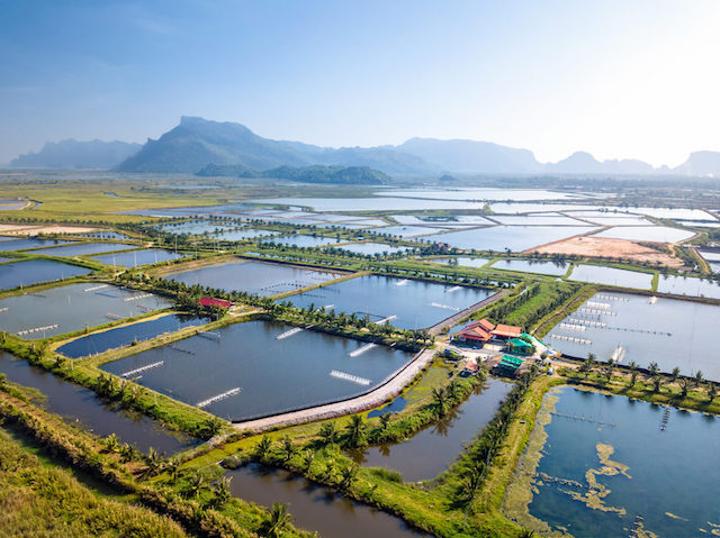
The government considers the development of aquaculture in Namibia to be a sector with considerable growth potential.
This is the farming of aquatic organisms of freshwater, seawater or brackish water origins, for various purposes such as food, commodities, etc.
Writing an opinion piece in The Namibian two years ago, Ndakalimwe Naftal Gabriel, a senior lecturer at the University of Namibia’s Department of Fisheries and Aquatic Sciences, said in the Namibian context, aquaculture is literally understood as fish farming, mainly freshwater fish.
“Globally, this sector plays a significant role in food production, income generation, community empowerment, and resource utilisation,” he said.
Although this concept is relatively new in Namibia, Gabriel said the government recognised and supported it as far back as the early 2000s, culminating in the Aquaculture Act 18 of 2002.
Gabriel said aquaculture, as a potential food-producing activity, needs to be promoted like any other type of farming, such as poultry, piggery, and livestock, but the government must not be the main role player or investor.
The demand for financing of aquaculture projects had been an ongoing concern until March 2010, when Agri-bank and the Ministry of Fisheries and Marine Resources signed an agreement for financing aquaculture businesses.
The finance products were short-term for working capital, medium-term loans which were over a period of five to 10 years, and long-term loans for a period of 10 to 25 years.
For More News And Analysis About Namibia Follow Africa-Press