Africa-Press – Namibia. BUSINESSES in the energy, commercial and mining sectors have become the main contributors to corporate credit growth, as demand for overdrafts by both households and corporate companies has declined since the start of the year.
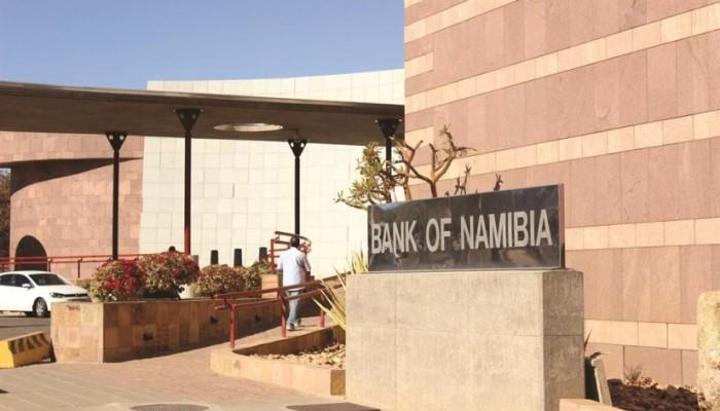
This is according to data from the Bank of Namibia.
According to a Simonis Storm analysis of the data, credit extended to the private sector increased by 3,4% year-on-year (y/y) in June 2022 compared to 4,5% y/y in May 2022.
The analysis says net household debt increased by 2,0% y/y in June 2022 compared to 2,4% y/y in May 2022, whereas net corporate debt increased by 5,3% y/y in June 2022 compared to 7,4% y/y in May 2022.
“The main contributors of household credit growth were other loans and advances, which rose 5,8% y/y, and mortgage loans up 1,5% y/y, while corporate debt was driven higher, mainly by instalment and leasing credit that shot up 18,1% y/y, other loans and advances rising 14,1% y/y and mortgage loans which went up 4,3% y/y,” said Simonis.
Year-to-date, credit growth is trending above levels seen in 2021.
Together with an 8,1% y/y increase in net investments recorded throughout the economy during the first quarter of 2022, growth in the financial services sector is likely to support Namibia’s recovery from the lockdown-induced recession, the analysts argued.
For the most part of the last 16 years, growth in private sector debt, including households and corporates combined, has exceeded economic growth rates.
This implies that most of the private sector debt went towards consumption spending and not investments that could enhance long-run productivity in the economy.
“While consumption spending fuelled growth in the short run, long run economic sluggishness is likely to persist as the economy’s productive capacity is constrained,” said Simonis.
With the South African Reserve Bank recently hiking that country’s repo rate by 75bps in July, with further tightening expected, it is likely that the Bank of Namibia will follow with a similar rate hike at its next meeting this month, Simonis observed.
“This will weigh heavily on indebted households who are already battling with higher costs of living, as real disposable incomes diminish with rising inflation,” said the analysts.
For More News And Analysis About Namibia Follow Africa-Press