Africa-Press – Namibia. THE Ministry of Mines and Energy recently approved the extension of Rössing Uranium Mine’s licence (ML28) for another 10 years from 2026 to 2036.
THE Ministry of Mines and Energy recently approved the extension of Rössing Uranium Mine’s licence (ML28) for another 10 years from 2026 to 2036.
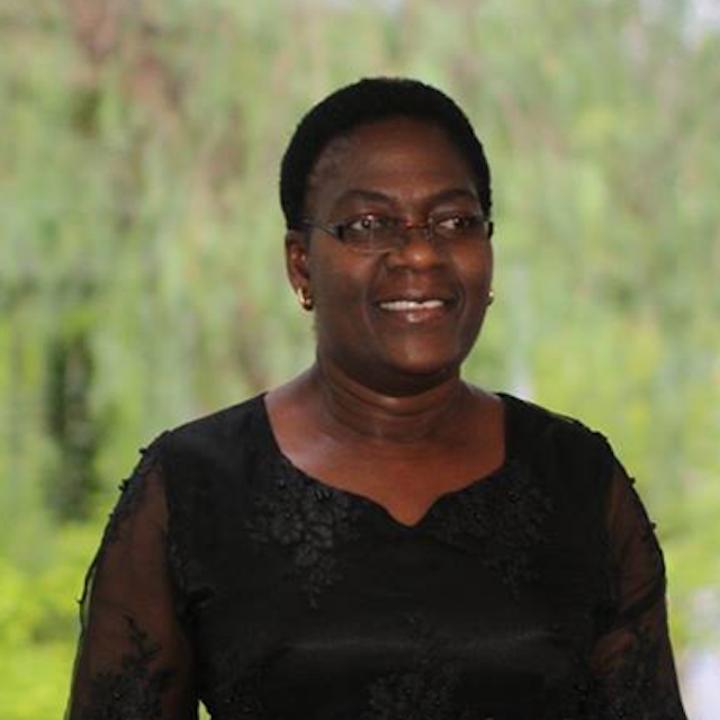
This was disclosed by deputy minister of mines and energy Kornelia Shilunga during her keynote address at the launch of the Rössing Uranium Mine’s 270-page book that highlights the mine’s 45-year history of production at Swakopmund last week.
Rössing Uranium pins its hope on the extension of the lifespan of the mine.
“We are looking forward to the completion of the feasibility study towards the end of the year because the future of the mine beyond 2026 will be determined by this outcome,” said Shilunga.
This would bring the life of the conventional open pit mine to about 60 years during which it made immense contributions to Namibia’s socio-economic footprint.
At the launch of the book titled, ‘A lived legacy: reflecting on 45 years of working for Namibia (1976-2021)’, Rössing Uranium board chairperson Steve Galloway paid tribute to pioneers of the mine.
“They envisioned the dream of establishing a world-class, responsible mining organisation, which would shape and guide future generations of Namibian mining professionals who would go on to set best practice standards, not just in mining, but also in health, safety and environmental management, and corporate and social responsibility.
“Thousands of Namibians will attest to the impact Rössing Uranium and the foundation have had on their lives, including many who are now prominent private and public sector leaders,” he said.
Among the main contributions Rössing made to the socio-economic upliftment of Namibians was the construction of the Namibia School of Mining Technology (Nimt) at Arandis at a cost of N$6 million.
“The aim of the school was to provide Namibians with technical skills essential to the mining industry and its support industries. The main need identified at that time was the training of artisans and technicians in engineering, mining, metallurgy, geology, survey, draughtsmanship and chemistry.
“Nimt continues to operate and is known to produce the most sought-after artisans in the mining and other industries,” the book highlighted.
In 1991, the Rössing Foundation opened an agricultural training centre at Okashana in northern Namibia, which offered courses in animal husbandry and crop cultivation. The centre was handed over to the government in 1996.
In 1996, the Rössing Foundation handed over to the Ministry of Fisheries and Marine Resources the Maritime Training Centre at Lüderitz.
In addition to donating N$200 000 to the Ministry of Health and Social Services and protective gear to the Swakopmund State Hospital, Rössing procured and delivered an oxygen-generating plant valued at close to N$3,8 million to the new Covid-19 isolation facility at Walvis Bay State Hospital.
Email: [email protected]
This was disclosed by deputy minister of mines and energy Kornelia Shilunga during her keynote address at the launch of the Rössing Uranium Mine’s 270-page book that highlights the mine’s 45-year history of production at Swakopmund last week.
Rössing Uranium pins its hope on the extension of the lifespan of the mine.
“We are looking forward to the completion of the feasibility study towards the end of the year because the future of the mine beyond 2026 will be determined by this outcome,” said Shilunga.
This would bring the life of the conventional open pit mine to about 60 years during which it made immense contributions to Namibia’s socio-economic footprint.
At the launch of the book titled, ‘A lived legacy: reflecting on 45 years of working for Namibia (1976-2021)’, Rössing Uranium board chairperson Steve Galloway paid tribute to pioneers of the mine.
“They envisioned the dream of establishing a world-class, responsible mining organisation, which would shape and guide future generations of Namibian mining professionals who would go on to set best practice standards, not just in mining, but also in health, safety and environmental management, and corporate and social responsibility.
“Thousands of Namibians will attest to the impact Rössing Uranium and the foundation have had on their lives, including many who are now prominent private and public sector leaders,” he said.
Among the main contributions Rössing made to the socio-economic upliftment of Namibians was the construction of the Namibia School of Mining Technology (Nimt) at Arandis at a cost of N$6 million.
“The aim of the school was to provide Namibians with technical skills essential to the mining industry and its support industries. The main need identified at that time was the training of artisans and technicians in engineering, mining, metallurgy, geology, survey, draughtsmanship and chemistry.
“Nimt continues to operate and is known to produce the most sought-after artisans in the mining and other industries,” the book highlighted.
In 1991, the Rössing Foundation opened an agricultural training centre at Okashana in northern Namibia, which offered courses in animal husbandry and crop cultivation. The centre was handed over to the government in 1996.
In 1996, the Rössing Foundation handed over to the Ministry of Fisheries and Marine Resources the Maritime Training Centre at Lüderitz.
In addition to donating N$200 000 to the Ministry of Health and Social Services and protective gear to the Swakopmund State Hospital, Rössing procured and delivered an oxygen-generating plant valued at close to N$3,8 million to the new Covid-19 isolation facility at Walvis Bay State Hospital.
For More News And Analysis About Namibia Follow Africa-Press