Africa-Press – Namibia. The Popular Democratic Movement (PDM) has given the government 60 days to establish a whistleblower protection office.
In the absence of this, the official opposition says it will institute legal action.
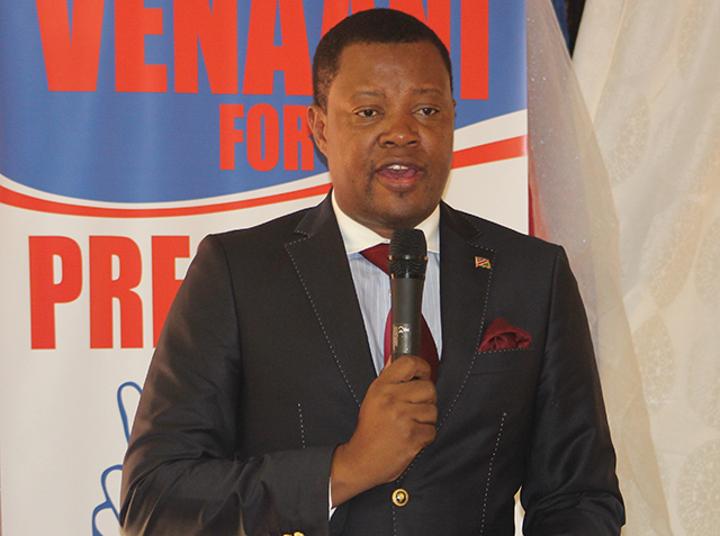
PDM president McHenry Venaani yesterday said the government keeps stalling operationalising the Whistleblower Protection Act which was passed five years ago.
He said the establishment and operationalisation of a whistleblower protection office is essential in fighting corruption.
“It is inexcusable that the government sings the old song of insufficient funds to operationalise this office, despite the law being passed over five years ago.
The only possible answer is that the government wants to aid and abet corruption, hence its stalling,” Venaani said.
The parliament promulgated the Whistleblowers Protection Act 10 of 2017 in October 2017, but it is gathering dust due to a lack of funds.
The law calls for the setting up of a whistleblowers protection office. The office is to investigate the disclosure of improper conduct, and complaints of retaliation against people disclosing information of improper conduct and corruption.
The law also imposes a fine of N$75 000 or a jail term not exceeding 15 years, or both, on anyone convicted of retaliation.
“We say no to corruption. Not on our watch. We therefore give the government 60 days to establish whistleblower offices, or the PDM will initiate litigation proceedings against the government to ensure the whistleblower offices are established and corruption is brought to a halt in Namibia,” Venaani said.
He said it is shameful that Icelandic national Jóhannes Stefánsson, who exposed the Fishrot corruption scandal, is willing to pay for his own security to testify in the ongoing court case.
Stefánsson last week told Desert Radio he is planning to return to Namibia to testify in the forthcoming court proceedings to ensure those accused in one of the country’s worst corruption scandals face the music.
“The mere fact that the biggest whistleblower is saying ‘I am ready to come and testify, but I put my life, my security in my own hands’ is because they are not walking the talk of protecting him.
“We are angry with Stefánsson, but he has brought a matter that is so huge to the fore. In fact, we must embrace whistleblowers, because these are the people we need to fight corruption and greed in this country.
“It would have been nice to have a system where whistleblowers are protected, given security and given the benefit of the doubt,” Venaani said.
“This country is under siege. We see how contracts are awarded, but we want to have a country in which people earn what they have fairly and squarely,” he said.
The executive director of the Institute for Public Policy Research (IPPR), Graham Hopwood, says the failure to implement the Whistleblower Protection Act for the past five years is an indication of the lack of political will at top level to tackle corruption.
“We know from the Fishrot case that the role of whistleblowers is crucial in exposing corruption. The IPPR would like to see the costs of implementing the whistleblower protection law included in next year’s budget, along with the costs of operationalising the Witness Protection Act and the Access to Information Act. All these laws are vital parts of our legal armoury for fighting corruption.
“If we don’t follow through on these commitments, it is a demonstration that the government is not serious about tackling corruption,” he says.
Toni Hancock, the director of the Legal Assistance Centre says it is concerning that the whistleblowers protection office is not up and running.
“That is something that happened with a number of other laws, where you got the act in place, but it hasn’t been implemented, because there is not sufficient funding for it. In fact, that is what we have heard from the government on a number of occasions,” she says.
LEGAL CONCERNS
Venaani said there are shortcomings in the Whistleblower Protection Act, since it is not offering financial rewards.
Also, the whistleblower may not be protected if the disclosure involves questioning the merits of government policies.
“These limitations have an effect on the willingness of potential reporters of misconduct and corrupt practices, especially those employed within official state agencies, to report wrongdoing, which are often perpetrated under the guise of public policy,” he said.
He further raised concerns about punitive measures for false reporting.
He said there is an overemphasis on punishment for false reporting in that anyone found guilty of making a false report is liable for a fine of up to N$100 000 or a jail term not exceeding 20 years.
In the absence of this, the official opposition says it will institute legal action.
PDM president McHenry Venaani yesterday said the government keeps stalling operationalising the Whistleblower Protection Act which was passed five years ago.
He said the establishment and operationalisation of a whistleblower protection office is essential in fighting corruption.
“It is inexcusable that the government sings the old song of insufficient funds to operationalise this office, despite the law being passed over five years ago.
The only possible answer is that the government wants to aid and abet corruption, hence its stalling,” Venaani said.
The parliament promulgated the Whistleblowers Protection Act 10 of 2017 in October 2017, but it is gathering dust due to a lack of funds.
The law calls for the setting up of a whistleblowers protection office. The office is to investigate the disclosure of improper conduct, and complaints of retaliation against people disclosing information of improper conduct and corruption.
The law also imposes a fine of N$75 000 or a jail term not exceeding 15 years, or both, on anyone convicted of retaliation.
“We say no to corruption. Not on our watch. We therefore give the government 60 days to establish whistleblower offices, or the PDM will initiate litigation proceedings against the government to ensure the whistleblower offices are established and corruption is brought to a halt in Namibia,” Venaani said.
He said it is shameful that Icelandic national Jóhannes Stefánsson, who exposed the Fishrot corruption scandal, is willing to pay for his own security to testify in the ongoing court case.
Stefánsson last week told Desert Radio he is planning to return to Namibia to testify in the forthcoming court proceedings to ensure those accused in one of the country’s worst corruption scandals face the music.
“The mere fact that the biggest whistleblower is saying ‘I am ready to come and testify, but I put my life, my security in my own hands’ is because they are not walking the talk of protecting him.
“We are angry with Stefánsson, but he has brought a matter that is so huge to the fore. In fact, we must embrace whistleblowers, because these are the people we need to fight corruption and greed in this country.
“It would have been nice to have a system where whistleblowers are protected, given security and given the benefit of the doubt,” Venaani said.
“This country is under siege. We see how contracts are awarded, but we want to have a country in which people earn what they have fairly and squarely,” he said.
The executive director of the Institute for Public Policy Research (IPPR), Graham Hopwood, says the failure to implement the Whistleblower Protection Act for the past five years is an indication of the lack of political will at top level to tackle corruption.
“We know from the Fishrot case that the role of whistleblowers is crucial in exposing corruption. The IPPR would like to see the costs of implementing the whistleblower protection law included in next year’s budget, along with the costs of operationalising the Witness Protection Act and the Access to Information Act. All these laws are vital parts of our legal armoury for fighting corruption.
“If we don’t follow through on these commitments, it is a demonstration that the government is not serious about tackling corruption,” he says.
Toni Hancock, the director of the Legal Assistance Centre says it is concerning that the whistleblowers protection office is not up and running.
“That is something that happened with a number of other laws, where you got the act in place, but it hasn’t been implemented, because there is not sufficient funding for it. In fact, that is what we have heard from the government on a number of occasions,” she says.
LEGAL CONCERNS
Venaani said there are shortcomings in the Whistleblower Protection Act, since it is not offering financial rewards.
Also, the whistleblower may not be protected if the disclosure involves questioning the merits of government policies.
“These limitations have an effect on the willingness of potential reporters of misconduct and corrupt practices, especially those employed within official state agencies, to report wrongdoing, which are often perpetrated under the guise of public policy,” he said.
He further raised concerns about punitive measures for false reporting.
He said there is an overemphasis on punishment for false reporting in that anyone found guilty of making a false report is liable for a fine of up to N$100 000 or a jail term not exceeding 20 years.
For More News And Analysis About Namibia Follow Africa-Press