Africa-Press – Namibia. ONE of the population subgroups identified, that require tailored services, is a group of cross-border patients.
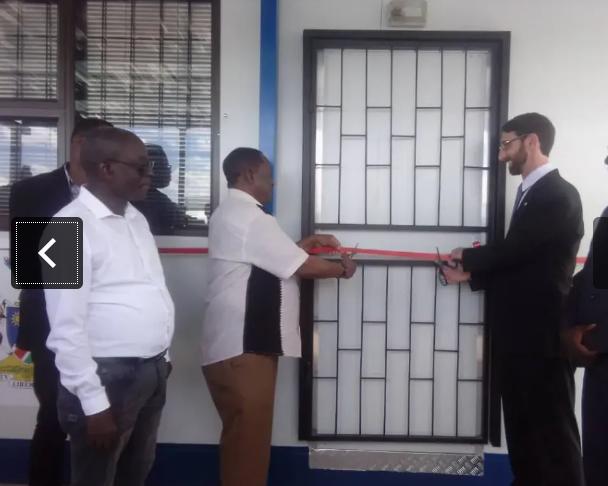
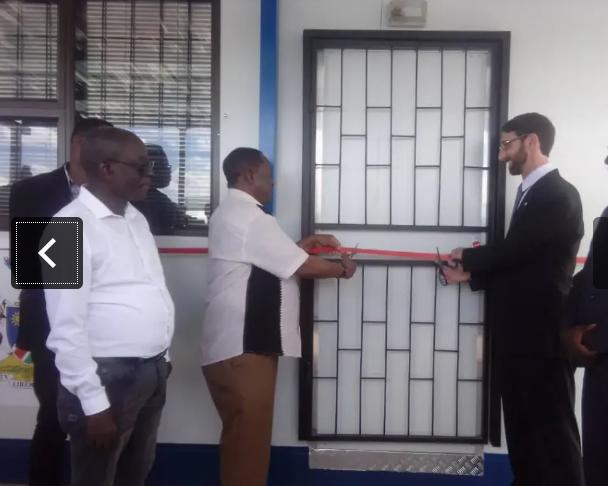
This is according to Minister of Health Kalumbi Shangula during the handover of the new prefabricated structure at the Oshikango border on Wednesday.
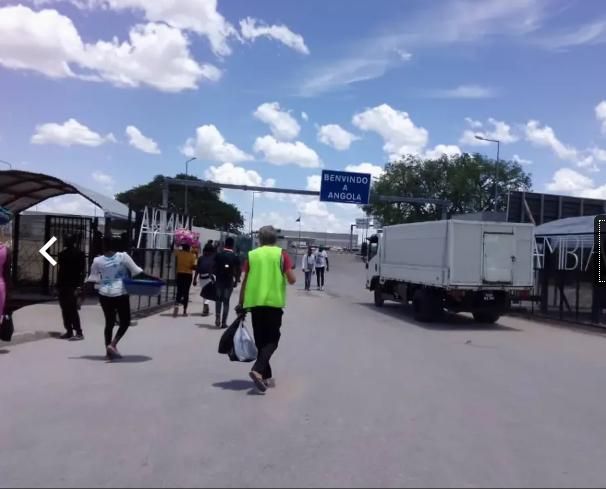
Shangula said Namibia has been and continues to provide health care and treatment services to cross border-patients, including those living along the Angola/Namibia border in Ohangwena, Omusati, Oshana, Kavango West, Kavango East and Zambezi Regions.
He stated that Namibians who find themselves in Angola, do receive health care services there, and Angolans also receive health services in Namibia.
According to him, during the 2nd quarter of 2022/2023, a total number of 913 cross-border patients received healthcare services at border points in Ohangwena Region.
However, these cross-border patients face different challenges in accessing services, as witnessed during the COVID-19 lockdowns when borders were closed.
“This impacted service delivery for cross-border patients negatively,” he said.
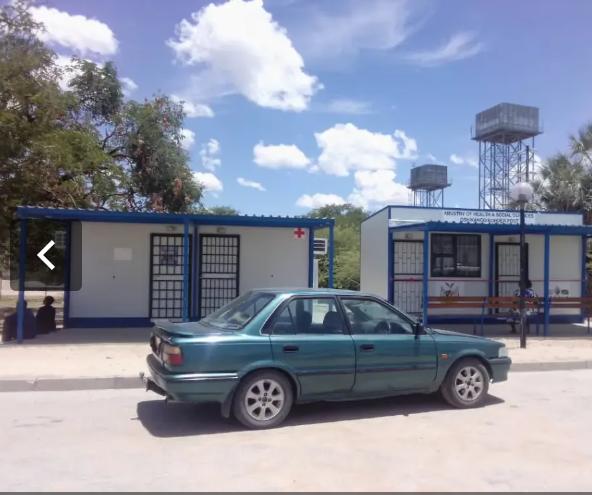
He added that in order to mitigate such challenges, the Directorate of Special Programs in the Ministry of Health and Social Services, with support from the Global Fund and CDC Namibia, erected four Comprehensive Community-based Health Service prefabricated health facilities to cater for cross-border patients.
The facilities were erected at Olupale, Oshikango, Onghala and Onhunda border points in Ohangwena Region.
Although good progress has been made, Shangula stated that there are still some challenges that they face concerning some sections of the population.
“In other words, there are still many of our people who are at risk, either of contracting new infections, or defaulting on treatment,” he said.
He indicated that they can only defeat the HIV epidemic when they are able to reach the global targets of 95-95-95.
This means that in order to reach epidemic control, first, 95% of all persons who are HIV positive, must know their status, those who are positive, 95% of them must be initiated on treatment and 95% of those who are initiated on treatment, must become virally suppressed.
However, Shangula said in order to reach such levels of viral suppression, people must take their medication without fail.
This will reduce the number of new infections and takes us as a country, closer to eliminating HIV/AIDS as a public health threat by 2030.
Ohangwena health director John Hango said there are over 26 000 people in the Region who are active on ART services.
Hango stated that being essentially a rural region with very inadequate road infrastructure and public transport, they understand that in order to deliver effective HIV services it should be done through community-based services.
He indicated that they currently have 45 community-based health services and 234 CAGs scattered throughout the region.
Hango said the new 5 community-based health service which has been added, will bring the total to 50 CCBHS in the region.
Centre for Disease Control Country Director Brian Baker, said they team up with the Ministry of Health to seven sites into impressive reality to ensure service is brought closure to the people.
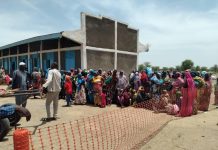
Baker said that those sites were set up at the height of the devastating Covid-19 pandemic when the borders were shut and people who needed to access healthcare services, such as people from Angola who regularly come to Namibia for a range of reasons including healthcare could no longer visit the healthcare facility they used to go to.
“The opening of these sites is a celebration, but also a reminder of all we have been through, and the lives we have lost in the last two years due to coronavirus,” he said.
He emphasised that reliable healthcare is achieved when healthcare services are put in place and when services are implemented for as long as they are needed.
Baker indicated that the site given to Oshikango residents will ensure that people can access the healthcare services they need.
The community of Oshikango and surrounding areas neighbours from across the borders who receive services at Oshikango Point Entry were urged to use the services availed to them to the fullest.
They were also urged to avoid vandalizing the property but always ensure it remains in a good state as it belongs to them all.

For More News And Analysis About Namibia Follow Africa-Press