Africa-Press – Namibia. THE National African Students’ Association (Nasa) says Namibia’s education system is faced with a lot of challenges which make it impossible for teachers to deliver.
The association is calling on all stakeholders to reform the sector as a matter of urgency.
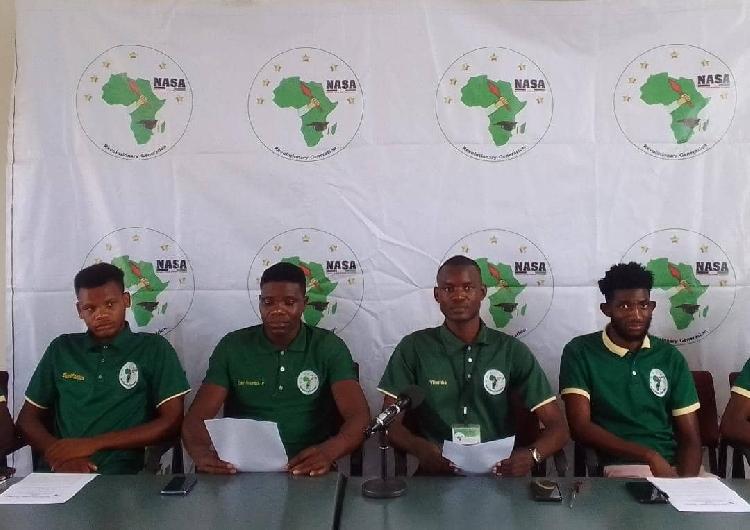
At a press briefing on Friday on the recent National Senior Secondary Certificate Ordinary (NSSCO) and Advanced Subsidiary (AS) level exam results released last week, Nasa president Paulus Vihemba said teachers should not be blamed solely for pupils’ failure.
This comes after the 38 019 candidates who wrote the 2022 NSSCO examinations managed to produce only 8 133 pupils who qualify for further education.
Vihemba attributed the poor results to a lack of commitment of all stakeholders in the education sector, and factors such as automatic promotion, alcohol and drug abuse, as well as pupils’ increased use of social media.
“The failure of the Cabinet to allocate adequate funding for basic education, and the failure by the Ministry of Education, Arts and Culture to mobilise additional funds to implement free education have led to many crises which have negatively affected learning and teaching, such as inadequate learning infrastructure, the delay in paying out certain grants, and a shortage of teaching and learning materials in our public schools,” he said.
Vihemba said the ministry needs to recruit adequate teachers for understaffed schools as required by the policy on teacher-pupil ratios, which suggests 30 pupils per secondary School teacher, not the current 45 per teacher.
He said the delay in appointing new teachers leads to teacher overload, making school managers assign duties to teachers who are not trained in specific subjects.
The president said a lot of teachers need help understanding the new curriculum.
The association also said pupils are prioritising their social lives at the expense of their education.
“We are raising concerns over the increase in the abuse of alcohol and drugs by pupils, and the prolonged use of social media. Hence less time is given to concentrate on education.
“As an association we believe . . . if pupils’ attitudes towards education do not change, their performance will continue to decline,” Vihemba said.
“We are calling on the government to prioritise education funding by increasing the basic education budget from N$14,1 billion to at least N$20 billion to run education effectively.
“This means teaching and learning materials should be made available to allow effective teaching and learning.
“We are recommending that management posts, such as those of principal and head of department, be appointed on five-year contracts, just like at higher learning institutions, and recontracting should only be done based on satisfaction of the set performance indicators,” he said.
The association further recommended that the Ministry of Industrialisation and Trade and law-enforcement agencies strictly regulate the sale of alcohol and trading hours at alcohol outlets.
“Moreover, we recommend that the ministry take up the responsibility and reduce the Namibian College of Open Learning’s registration fees per subject,” Vihemba said.
For More News And Analysis About Namibia Follow Africa-Press