Africa-Press – Namibia. WITH the implementation of its structure and strategic plans, the Swakopmund municipality is preparing to provide land ownership rights to the people of the town’s democratic resettlement community (DRC proper and DRC Wagdaar).
This was contained in Swakopmund chief executive officer Alfeus Benjamin’s new year’s message issued last Friday.
The council also plans to build low-cost houses through various programmes, and provide basic services such as water, electricity and improved sanitation to the informal settlements.
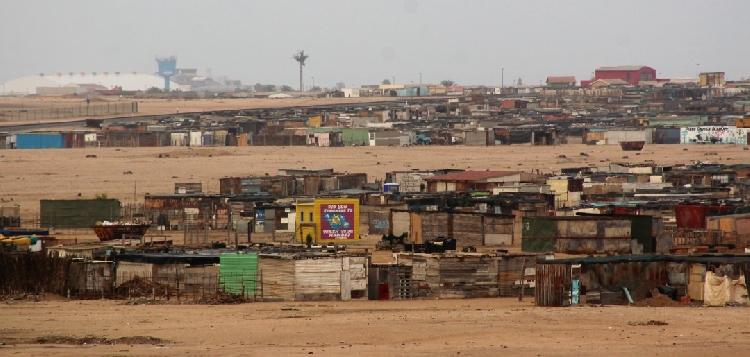
Over 20 years ago, the DRC informal settlement grew from undeveloped land on the outskirts of Mondesa to which residents in need of land (and applied for land) were allocated. It grew further when Swakopmund’s single quarters were demolished and the overspill residents were allocated erven in DRC, including residents who lived along the Swakop River.
“It was like a hungry beast, swallowing more and more people moving from the rural areas to the urban coast in search of greener pastures – and instead increasing pressure on scarce resources and congesting the DRC bursting at its seams,” Swakopmund municipal spokesperson Linda Mapupa told The Nambian.
Today, the DRC is subdivided into three areas, namely the original DRC ‘Proper’, ‘Wagdaar’ (wait there), that accommodates residents relocated from the northern part of DRC to decongest it; and ‘Seaside’ (Extension 31), which houses people who were relocated to Wagdaar to enable the servicing of the area.
The entire DRC today accommodates an estimated 45 000 inhabitants.
In 2019, a key decision was taken to relocate people from Seaside Ext 31 to Wagdaar. Approximately 560 people were relocated.
Land ownership transfer was done by the Ministry of Agriculture Water and Land Reform under the flexible land tenure system, which is still in progress.
The Flexible Land Tenure Act creates new ways for people to own land in urban and settlement areas. It has two types of land titles, the starter title and the land hold title. It is cheaper and simpler than the old ways of getting land titles. The government helps people who earn less than N$3 000 or are ultra-low-income earners to get ownership certificates in six months. This allows them to use the land and get money for building on it.
Furthermore, the council has serviced and sold high-income portions of land, for example, Mile 4, and sold them at premium prices. The revenue generated was then used to service low-income areas, and subsidise the beneficiaries of the erven.
Sources within the municipality informed this newspaper that the formalisation process of the DRC, which was launched about a decade ago, is progressing slowly because of sluggish land provision. Bulk services are, however, available.
According to Mapupa, over 1 000 erven will be developed in the formalised DRC.
The master waiting list for housing stands at about 22 000.
More details will emerge after the next council management meeting next month, she said.
For More News And Analysis About Namibia Follow Africa-Press