Africa-Press – Namibia. In 2022, the World Food Programme (WFP) continued to implement its Country Strategic Plan (CSP) 2017-2023 in Namibia, contributing to the achievement of Sustainable Development Goals (SDG) 2 (Zero Hunger) and 17 (Partnerships for the Goals). Through WFP’s projects in 2022, a total of 32,610 people were reached, which is nearly 10 per cent of the total population experiencing limited or uncertain access to adequate food.
WFP worked with various partners, including the Government, the private sector, and international organizations, and mobilised resources of over USD 3.4 million locally and internationally. It strengthened relations with donors, embassies, and the government for project implementation in all 14 regions of Namibia.
To ensure vulnerable populations, including women and youth, could meet their food and nutrition needs, WFP complemented national government strategies and partner activities. The organization partnered with the Ministry of Education, Art and Culture to strengthen programmes that reduce the effects of poverty and exclusion through the home-grown school feeding programme (HGSFP). This programme introduced a diverse diet, including protein and vegetables, rather than the maize blend (porridge) provided in traditional school feeding programmes. The HGSFP reached almost 12,000 learners (nearly 50 percent girls) across 29 primary schools selected by the Ministry of Education and the regions from an overall 1,514 primary schools, helping to keep children in school.
WFP also contributed to building people’s skills and knowledge on healthy eating. The organization reached nearly 1,800 community members, including smallholder farmers, children under the age of 5, and people living with HIV, to promote nutritional messaging aimed at changing dietary habits.
Namibia has not been spared from the effects of climate change. In 2022, the rainfall patterns were irregular, causing considerable delays in agricultural activities and negatively affecting household food security. WFP provided food and cash assistance worth USD 423,000 to people affected by climatic and economic shocks due to droughts. WFP, in partnership with its cooperating partner, Namibia Red Cross, implemented a food assistance programme in three of the 14 regions of Namibia, namely: Kunene, Omusati, and Ohangwena regions.
Namibian communities were more equipped to cope with climate emergencies, such as floods and droughts, through WFP’s work in enhancing and providing rapid alert systems to detect climate shocks. WFP supported key government agencies such as the Office of the Prime Minister, the Ministry of Agriculture Water and Land Reform, the Ministry of Environment, Forestry and Tourism, and the Meteorological Services to enhance four climate-based early warning systems.
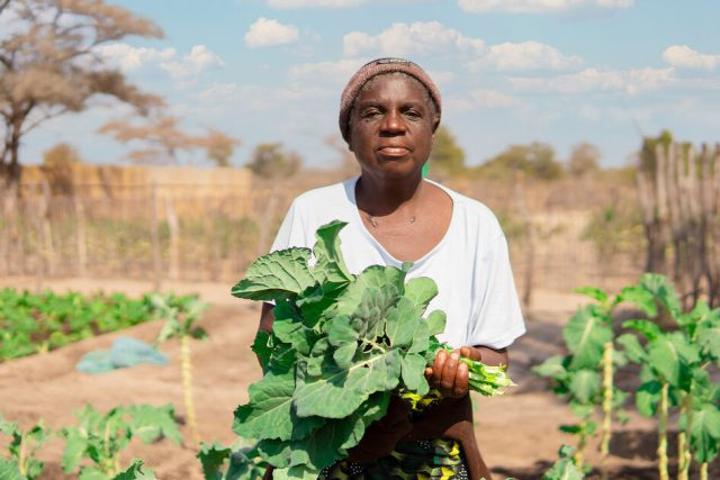
WFP promoted rural transformation by implementing 34 cohesive community-based food systems projects on vegetables and poultry in 12 of the 14 regions. Through these projects, WFP developed skills, promoted technology, strengthened logistics networks, enhanced education on nutrition, and linked 117 farmers to markets to improve food and nutrition security. Moreover, the food systems projects increased community engagement and enhanced knowledge and capacity through skills transfer at schools, clinics, cooperatives, prisons, communities, and at the household level for over 2,000 direct beneficiaries.
Currently, the Country Strategic Plan (CSP) for 2017-2023 is undergoing evaluation whose results should inform the design and implementation of the next CSP 2024-2030. The WFP’s projects in Namibia demonstrate its commitment to achieving zero hunger and partnerships for the goals, of promoting the development of sustainable food systems and empowering local communities.
For More News And Analysis About Namibia Follow Africa-Press