Africa-Press – Namibia. Namibia has called for the international criminalisation of colonialism, saying global law has “deliberately ignored” atrocities committed in Africa and left a glaring accountability gap that must finally be closed.
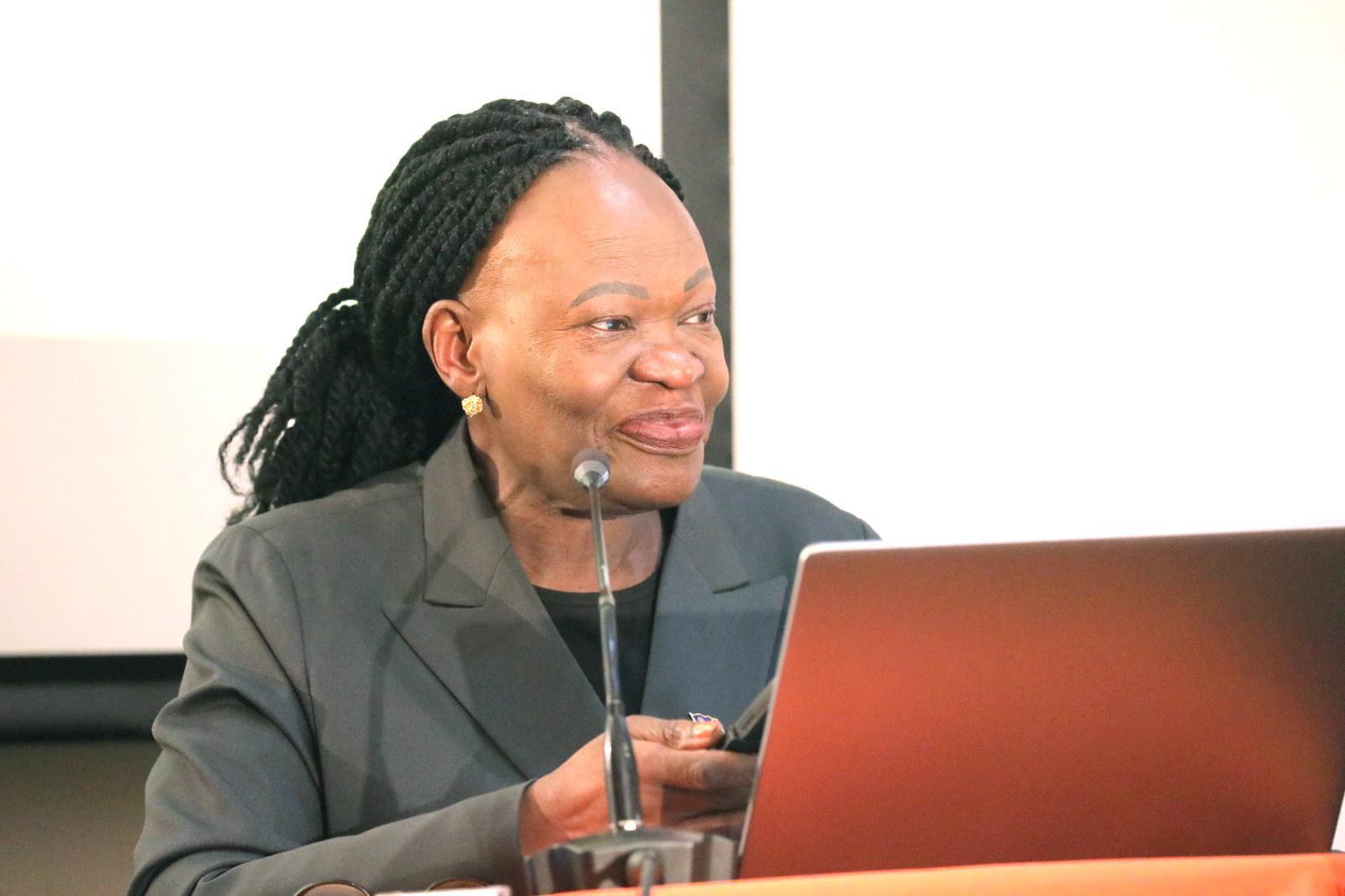
International Relations Minister Selma Ashipala-Musavyi led the delegation to the International Conference on the Crimes of Colonialism in Africa in Algiers, where African and Caribbean states are pushing for a unified approach to reparations and justice.
The conference, which started on 30 November to 1 December, convened under the theme “Towards redressing historical injustice through the criminalisation of colonialism.”
Speaking to New Era newspaper, Ashipala-Musavyi said Namibia’s main priority at the conference is to support Africa’s plan to codify colonial crimes and take the matter to the United Nations.
“We support the codification of the crimes of colonialism. Colonial crimes must be recognised in international law the same way as genocide, war crimes and crimes against humanity,” she said.
She added that existing legal instruments have been “blind toward colonial crimes, treating them as distant events and rendering them almost invisible,” even though these crimes are well-documented.
The minister said the conference marks the beginning of a continental effort to define colonial crimes, agree on a common AU position, and build a legal case for international recognition.
“This is a conference to set in motion the process. We know it will be an uphill battle, but we are pleased that Africa is speaking in unison,” she said.
She noted that scholars, lawyers and historians from Africa and the Caribbean have been brought together to help build a strong legal foundation ahead of the expected “Algiers Declaration.”
Painful history
Ashipala-Musavyi reminded delegates that Namibia is one of the most affected countries, having endured genocide, colonial land dispossession, and apartheid.
At the conference, she described the 1904–1908 genocide against the Ovaherero and Nama as “the first genocide of the 20th century,” which killed up to 80% of the Ovaherero and 50% of the Nama, leaving lasting economic and psychological harm. “The wounds of colonial violence continue from generation to generation. The moral imperative is clear: Africa must create a legal framework that holds perpetrators accountable,” she said.
Asked what concrete reparations Namibia expects from Germany and other colonial powers, Ashipala-Musavyi said Africa must first strengthen its legal position before pursuing remedies.
“We need to put together a legal case. The principle is agreed. The next step is the practical work,” she said.
On bilateral reparations talks between Namibia and Germany, she said the two countries are close to finalising a joint declaration.
“We are almost there. A few issues still need ironing out, but we are hopeful. What we are doing here in Algiers is in line with the effort to close that painful chapter,” she said.
Accountability gap
Ashipala-Musavyi said the gap exists because international law, as it stands today, excludes colonial crimes, despite overwhelming evidence that colonialism involved systematic killing, dispossession, forced labour, cultural destruction and racial persecution.
“International law and international criminal justice have been blind toward colonial crimes. Major legal instruments have excluded them, treating these crimes as distant events and rendering them almost invisible,” she said.
International crimes recognised today, such as genocide, crimes against humanity, and war crimes, were mainly codified after World War II, at a time when many European powers were still ruling African territories. As a result, the minister said, the system was designed in a way that protected colonial powers from accountability, while placing the burden of compliance on former colonies.
“The international economic system is also skewed. African countries are forced to abide by laws they did not contribute to creating. This is part of the legacy of colonialism, and it must be corrected,” she emphasised.
The Algiers conference is the first major step under the African Union (AU)’s 2025 theme that Justice for Africans and People of African Descent through Reparations. It aims to build a common African position and prepare the ground for presenting the case at the United Nations. She said the AU has already appointed a reference group of legal experts to begin the technical work of framing colonial crimes and developing legal tools for remedies. The conference brought together governments, historians, scholars, lawyers and Caribbean delegations all working toward an aligned plan.
Ashipala-Musavyi was firm that time should not erase responsibility.
“The issue is not when the crimes were committed. The issue is that they were committed, and they are recorded. International law must reckon with colonial crimes if it is to uphold universality, equality, and justice,” she explained.
She said reform of global institutions, including the UN Security Council and international financial systems, is necessary because they still reflect colonial-era power imbalances.
“The international system cannot continue forcing African countries to follow laws they did not help create,” she added.
For More News And Analysis About Namibia Follow Africa-Press