
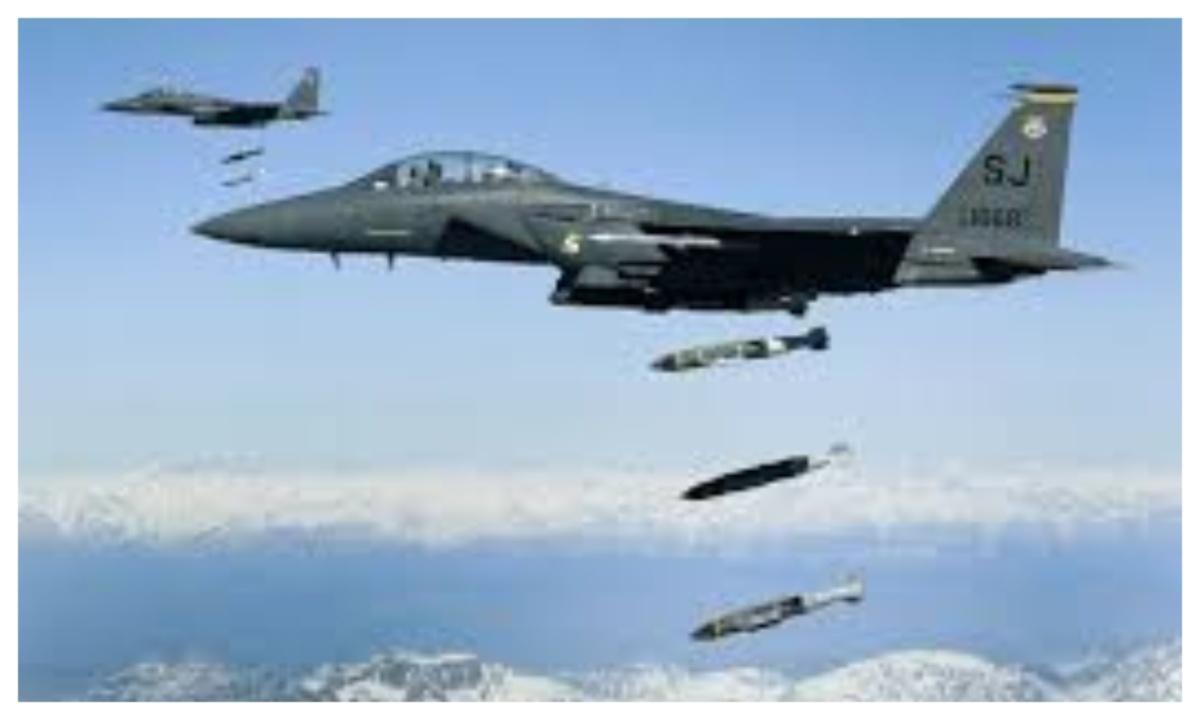
Africa-Press – Nigeria. The Arewa Research and Development Project, ARDP, has warned that recent United States airstrikes in Sokoto have highlighted not only the severity of Nigeria’s security challenges but also the fragility of governance structures overseeing the use of force in the country.
In a policy paper released over the weekend, ARDP said the airstrikes exposed structural weaknesses in constitutional oversight, strategic coordination, civilian protection, and narrative management.
The group noted that if left unaddressed, these gaps could set precedents that undermine democratic legitimacy and long-term security effectiveness.
“Nigeria’s security environment has, over the past decades, been shaped by insurgency, banditry, communal violence, and transnational criminal networks.
“These threats have imposed severe human, economic, and institutional costs, particularly in the northern region, stretching the capacities of domestic security agencies,” the paper stated.
The group said that US airstrikes targeting terrorist groups in north-western Nigeria represent a significant development. Unlike advisory or intelligence support, foreign-executed kinetic actions carry heightened legal, political, and strategic implications.
“Such actions intersect directly with constitutional governance, civil-military relations, and Nigeria’s long-standing sensitivities around sovereignty and external intervention,” the report noted.
ARDP stressed that the main challenge is not international security cooperation itself but the lack of a coherent, institutionalised framework to govern such cooperation.
The group called for immediate corrective measures, medium-term reforms, and long-term strategic planning.
The report urged the Presidency, in coordination with the Office of the Attorney-General of the Federation, to provide formal legal clarification on the constitutional basis, limits, and oversight arrangements for any foreign kinetic military activity on Nigerian soil.
It also recommended that any foreign-supported operations should trigger mandatory, time-bound briefings to designated National Assembly committees on defense and national security, reinforcing the legislature’s role in oversight rather than allowing it to remain a passive observer.
For More News And Analysis About Nigeria Follow Africa-Press