
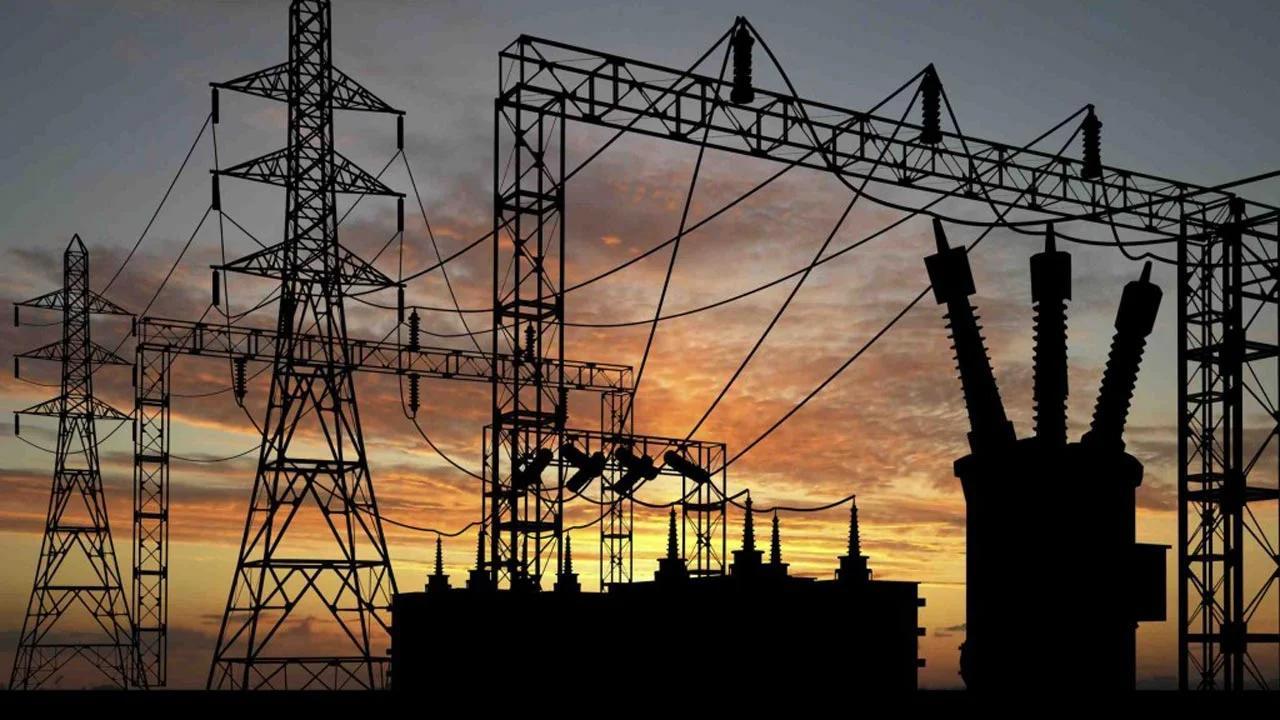
Africa-Press – Nigeria. In recent weeks, Nigerians have been dealing with poor electricity supply across the country.
Power outages are taking longer than usual and distrupting daily life. Small businesses, shops, and homes have been badly affected. Frozen food owners are lamenting bitterly due to the large amount of their stocks that get spoilt on a daily basis.
Other businesses that depend heavily on electricity to operate have also felt the impact of low power supply as the cost of running generators continues to rise.
Reacting to the situation, the Nigerian Independent System Operator, NISO, said the drop in electricity supply is mainly due to a shortage of gas needed by thermal power plants, which produce most of the electricity used in Nigeria.
In a statement released on Friday, NISO said the country is currently generating an average of about 4,300 megawatts of electricity. The operator explained that many power plants are unable to operate at full capacity because they are not getting enough gas to run properly.
NISO noted that thermal power plants make up the largest part of Nigeria’s electricity system.
This means that whenever gas supply is disrupted, power generation drops and consumers across the country feel the effect almost immediately.
Operational data released by the system operator showed that thermal power plants need about 1,629.75 million standard cubic feet of gas per day to function properly. However, as of February 23, 2026, only about 692 million standard cubic feet of gas was supplied to the plants.
“The available gas supply represents less than 43 per cent of the required volume, resulting in constrained generation output,” NISO said.
The operator added that the drop in power generation has also reduced the amount of electricity allocated to Distribution Companies, DisCos, which explains the low supply currently being experienced by households and businesses.
NISO further explained that when electricity generation drops sharply, it is forced to carry out load shedding across the country to protect the national grid.
“When total system generation drops significantly, the Independent System Operator must implement load shedding across the system to maintain grid stability and prevent system disturbances,” the statement said.
While apologising to electricity consumers for the inconvenience, NISO said it is working closely with relevant stakeholders to restore normal power supply once gas availability improves.
“We regret the inconvenience this situation may cause electricity consumers and affected market participants, and we will continue to work closely with relevant stakeholders to ensure full energy allocation as soon as gas supply improves and generation capacity is restored,” the operator added.
For More News And Analysis About Nigeria Follow Africa-Press