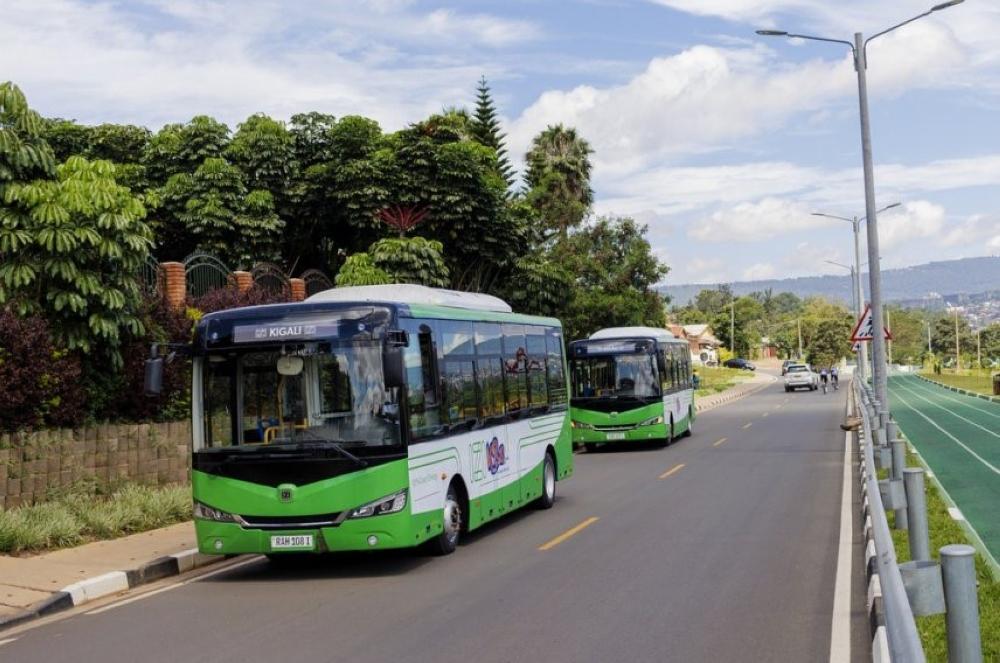
Africa-Press – Rwanda. Rwanda’s transport sector is undergoing a positive transformation, driven by new policies that emphasise sustainability, professionalism, and enhanced safety. The introduction of electric buses into public transport, alongside mandatory educational requirements and structured safety training for drivers, reflects a bold and progressive vision. These changes are not only improving the passenger experience but also shaping a safer future for all road users.
What Rwanda is doing in public transport presents an important opportunity for the wider logistics industry, especially cross-border cargo and passenger transport across the East African region.
Highway logistics remains the backbone of regional trade, linking inland markets to ports in Mombasa and Dar es Salaam. However, it is also an area where safety gaps, avoidable delays, and operational inefficiencies continue to affect competitiveness.
One of the persistent challenges is the skill level of drivers in the cargo transport ecosystem. A significant percentage of long-distance truck and bus drivers are school dropouts who receive informal, on-the-job training.
While experience on the road is valuable, it cannot replace formal training, especially when drivers are responsible for valuable cargo, complex documentation, and navigating safety and sensitive environments.
The consequences are visible. Poor understanding of logistics paperwork leads to unnecessary delays at customs borders. Improper loading and securing of cargo continue to contribute to accidents, cargo damage, and cost associated with delays in customs and insurance losses.
Drivers who lack safety awareness are also more vulnerable to fatigue-related risks on long journeys. All these challenges accumulate into costs that affect businesses, supply chains, and the wider economy.
This is where Rwanda’s new approach offers a blueprint for improvement.
Introducing basic education requirements and proper safety training for long-distance drivers can bring major benefits. Drivers with some training can understand customs paperwork better, follow standard procedures, and communicate clearly with border officials. With professional training, they can also learn safe loading methods, defensive driving skills, proper cargo handling, and how to respond in emergencies.
The result would be cutting cost associated to delays, reduced accidents, and a direct reduction in the hidden costs that companies currently absorb due to inefficiencies and risks on the road. For cross-border trade, where time sensitivity matters and compliance is critical, well-trained drivers can make the difference to improve profits.
Moreover, a more professionalized driver workforce improves the public image of the logistics sector. It positions East African supply chains as more reliable, competitive, and aligned with global best practices. As the region continues to integrate through the African Continental Free Trade Area (AfCFTA), driver professionalism will become an essential pillar of efficient trade facilitation.
Rwanda’s adoption of electric buses also signals a greener shift that logistics can learn from. As global sustainability standards tighten, the region will eventually need to transition toward cleaner fleets, improved fuel efficiency, and lower emissions. Professional drivers are crucial to that transition, as sustainable operations require strict compliance and technical understanding.
In short, raising the standards in highway logistics starting with driver education and structured training is not just a safety measure. It is an economic investment, a competitiveness strategy, and a pathway to modernizing regional trade.
The author is a logistics and supply chain expert.
For More News And Analysis About Rwanda Follow Africa-Press