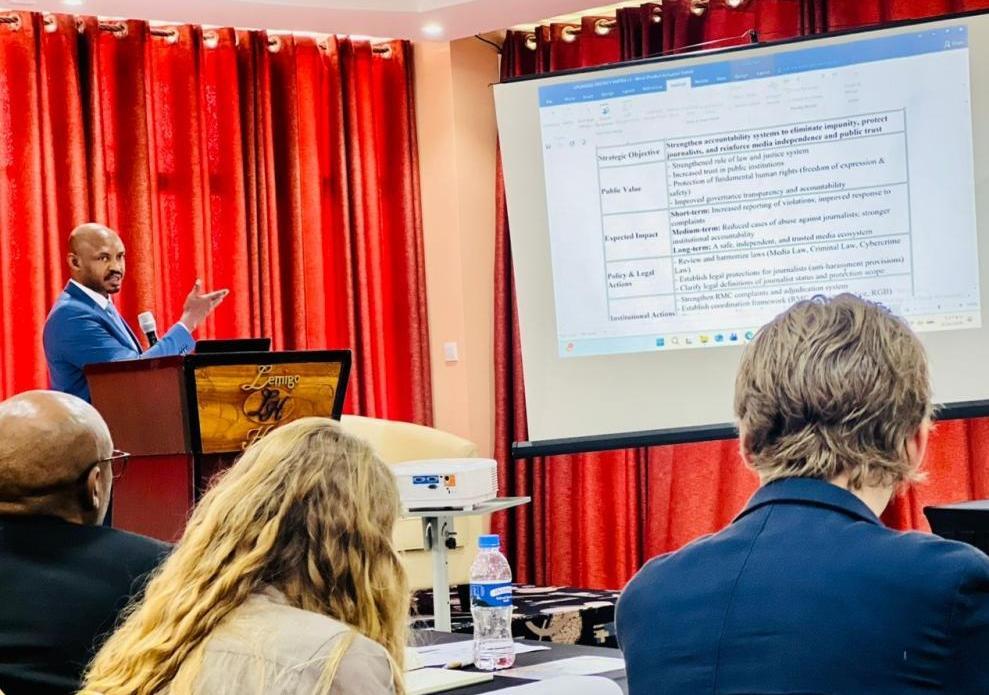
Africa-Press – Rwanda. Media stakeholders have called on the government to adopt and implement recommendations related to media freedom and freedom of expression issued during Rwanda’s fourth cycle of the Universal Periodic Review (UPR).
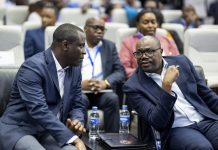
The call was made during a National Advocacy Dialogue held in Kigali on March 26, which brought together policymakers, media practitioners, civil society organisations, and development partners to reflect on the country’s progress and identify practical steps to improve the media environment.
The UPR is a peer-review mechanism of the United Nations Human Rights Council through which the human rights records of all UN Member States are periodically assessed.
During Rwanda’s latest review in January 2026 in Geneva, the country received 286 recommendations from 100 countries. 34 are about media development, freedom of expression, civic space, and access to information.
Emmanuel Mugisha, Executive Secretary of the Rwanda Media Commission (RMC), noted that many of these recommendations are consistent with Rwanda’s constitutional framework and ongoing governance reforms.
Mugisha pointed out that several recommendations have recurred across previous UPR cycles in 2011, 2015, and 2021, indicating the need for stronger implementation and follow-through.
“These recommendations are largely aligned with national priorities and present an opportunity to consolidate progress in media development, responsible freedom of expression, and participatory governance,” he said.
However, Mugisha pointed out that several recommendations have recurred across previous UPR cycles in 2011, 2015, and 2021, indicating the need for stronger implementation and follow-through.
“The recurrence of similar recommendations suggests that while progress has been made, more needs to be done to ensure measurable and sustained impact,” he said.
Participants at the dialogue identified key priority areas that require attention, including legal and regulatory reforms, strengthening the protection and safety of journalists, enhancing access to information, promoting media independence, and addressing emerging challenges in digital governance and online expression.
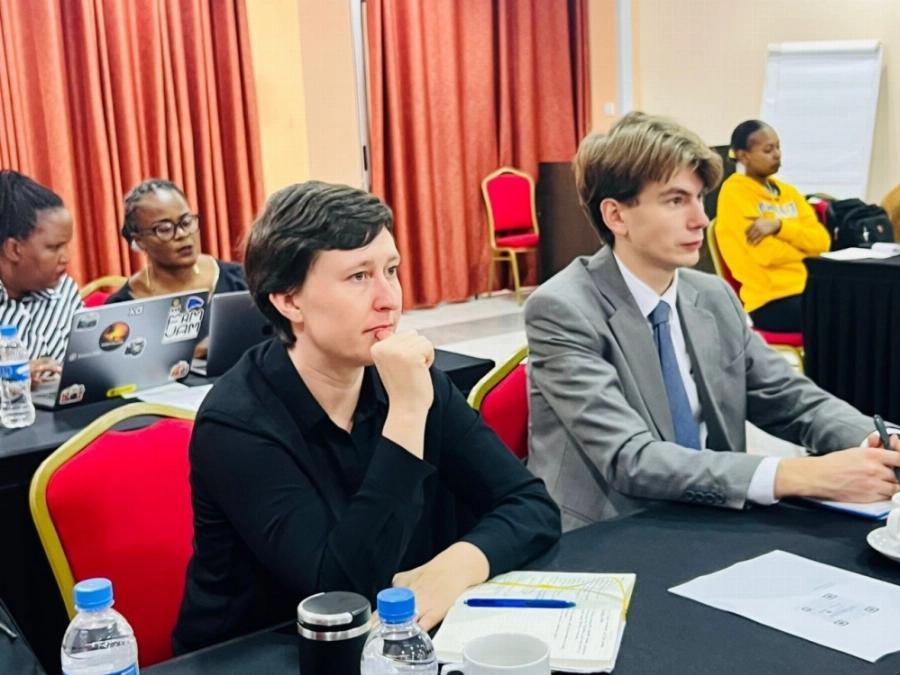
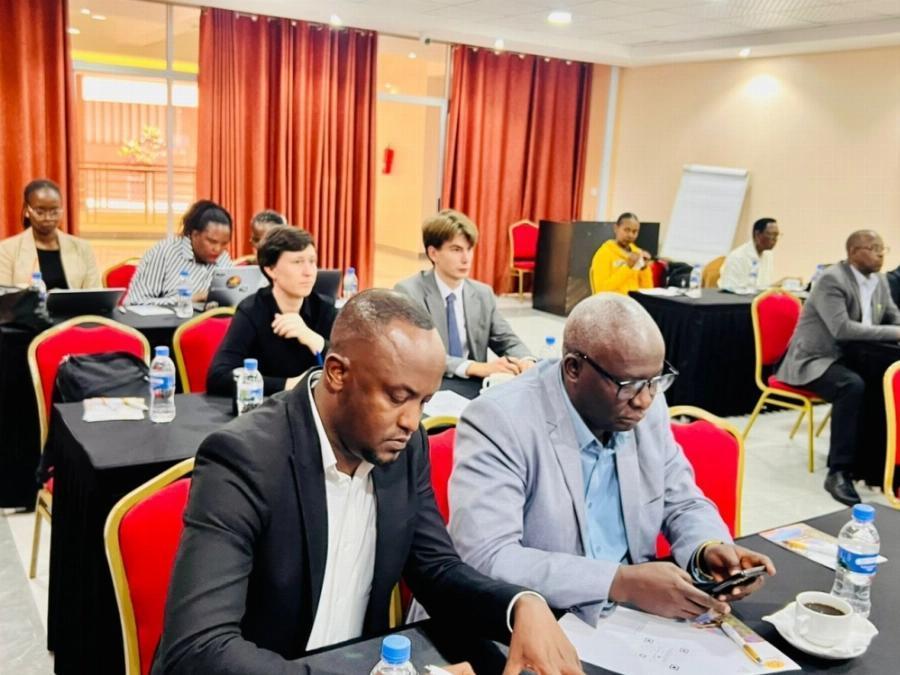
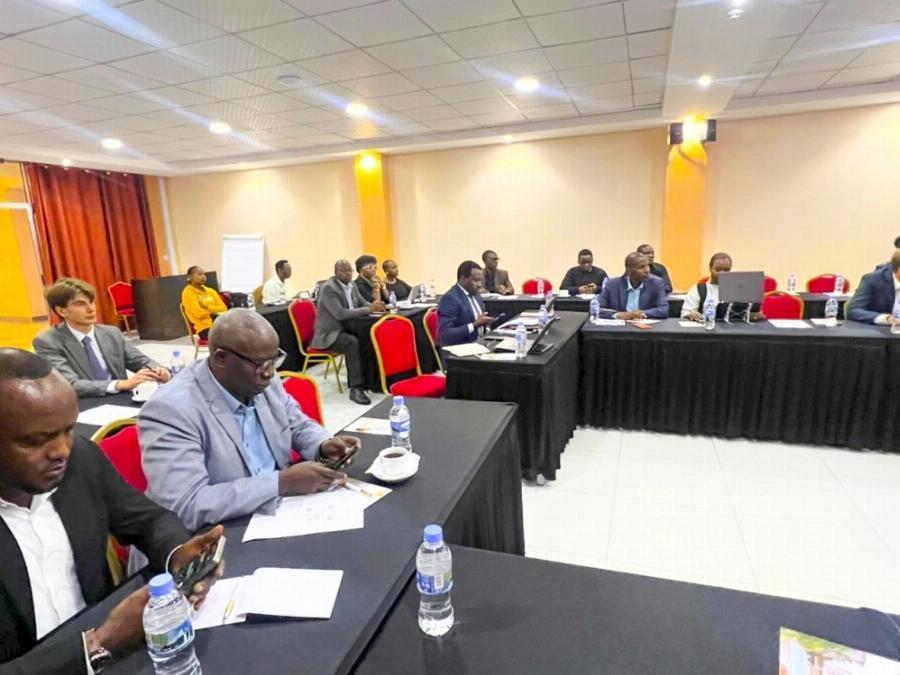
The discussions brought together policymakers, media practitioners, civil society organisations, and development partners on Thursday, March 26.
Another challenge raised was the safety of journalists. Stakeholders emphasized the importance of strengthening accountability mechanisms and complaint-handling systems to build trust within the sector.
Legal and regulatory alignment also emerged as a critical issue. Participants called for continued efforts to review and harmonise laws governing media, civil society, and cyber regulations to ensure clarity and consistency with international standards, while reflecting Rwanda’s national context.
Another key issue discussed was the implementation gap, particularly in relation to the access to information framework. While Rwanda has established laws promoting access to information, stakeholders noted that practical challenges remain in ensuring timely and effective access to public data.
William Ndengeyinka, Senior State Attorney in the Ministry of Justice’s International Justice and Judicial Cooperation Department, said Rwanda is still in the process of reviewing the recommendations made at the fourth cycle in January and has not yet communicated its position on each of them.
The outcome of the review is expected to be adopted by the Human Rights Council during its 62nd session in June–July 2026.
The meeting aimed to reflect on the country’s progress and identify practical steps to improve the media environment.
Ndengeyinka emphasized that the UPR should be viewed as part of a broader framework for promoting human rights and strengthening governance.
“The UPR is not the only mechanism we rely on. Rwanda is also party to several international human rights treaties, and we have national systems in place to ensure coordination and implementation of recommendations,” he said.
He highlighted the role of a national coordination mechanism, established in 2015, which brings together government institutions, civil society, media, and other stakeholders to guide implementation through a structured roadmap.
“This mechanism allows us to analyse recommendations collectively, assign responsibilities, and develop practical actions to ensure implementation,” he explained.
The growing importance of digital media also featured in the discussions. Stakeholders noted that while digital platforms have expanded opportunities for expression and public engagement, they also present challenges, including misinformation and the need for stronger protections for online journalists and content creators.
There were also calls to promote Media and Information Literacy among the public, journalists, and public officials to enhance critical thinking, improve the quality of public discourse, and build resilience against misinformation and disinformation.
Despite progress made in professionalising the media sector and promoting gender inclusion, participants acknowledged ongoing challenges affecting sustainability and effectiveness of media institutions. These include financial constraints, limited capacity, and gaps in institutional coordination.
The National Advocacy Dialogue brought together policymakers, media practitioners, civil society organisations, and development partners on Thursday, March 26.
Veteran journalist Gonzaga Muganwa observed that while efforts have been made over the years to improve the media landscape, similar recommendations continue to recur, suggesting that implementation remains a key challenge.
“There have been efforts, but the persistence of similar recommendations indicates that more needs to be done to translate commitments into tangible results,” Muganwa said.
He also emphasized the importance of understanding decision-making processes and strengthening advocacy strategies to ensure that reforms are effectively implemented.
The dialogue concluded with a call for a coordinated, practical, and nationally driven approach to implement UPR recommendations. Stakeholders stressed the importance of inclusive dialogue, shared responsibility, and sustained collaboration among government institutions, media actors, civil society, and development partners.
They noted that accepting and implementing the recommendations would not only demonstrate Rwanda’s commitment to human rights but also contribute to strengthening governance, enhancing public trust, and fostering a more open, informed, and resilient media environment.
For More News And Analysis About Rwanda Follow Africa-Press