Africa-Press – Rwanda. Thirty-two years after the 1994 Genocide against the Tutsi, Rwanda’s recovery stands as one of the most remarkable stories of resilience in modern history. Central to this journey has been reconciliation—without which rebuilding the nation would have been impossible. Among the many forces that have driven this process, sports has quietly but powerfully played a transformative role.
In the aftermath of the genocide which claimed the lives of more than a million, communities were left fractured, trust destroyed, and millions grappling with trauma. In such a context, sports became more than recreation—it became a pathway to healing.
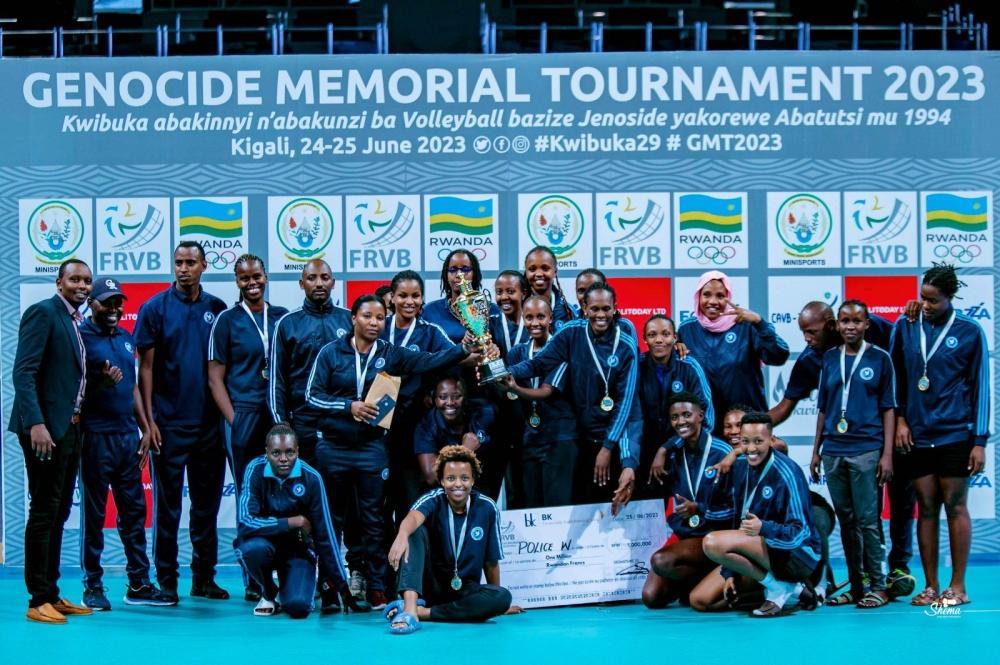
Across the country, activities in football, basketball, volleyball, tennis, karate, cricket, and swimming began to bring people together again, united by shared goals rather than divided by the past.
Memorial tournaments and grassroots competitions created spaces where dialogue could happen naturally, fostering connection and understanding.
Competitions such as Umurenge Kagame Cup have been particularly instrumental, promoting teamwork, trust, and interaction among young people, including survivors and those from different backgrounds. On these fields and courts, a new generation has learned to cooperate, compete, and coexist, laying the foundation for lasting unity.
Competitions such as Umurenge Kagame Cup have been particularly instrumental, promoting teamwork, trust, and interaction among young people. File
The power of sports to heal was evident even in the years immediately following the genocide. Moments like Rayon Sports’ victory in the 1998 CECAFA Kagame Cup and Rwanda B’s triumph in the 1999 CECAFA Men’s Challenge Cup at Amahoro Stadium brought joy to a grieving nation. These victories were more than sporting achievements—they were symbols of hope, resilience, and the possibility of a shared future.
Beyond competition, sports have served as a critical tool for peacebuilding and social reintegration. They provide neutral ground where former divisions lose their meaning, enabling survivors, returnees, and even families affected on different sides of history to interact and rebuild trust. For many young people—especially orphans and those affected by the genocide—sports have offered structure, purpose, and a sense of belonging.
Importantly, sports contribute to what is often described as “positive peace.” They do not simply help prevent conflict; they address its root causes by promoting values such as tolerance, respect, discipline, and teamwork. These values extend far beyond the playing field, shaping responsible citizens and strengthening communities.
Government investment in sports infrastructure and development has further amplified this impact. By supporting leagues, hosting regional competitions, and building modern facilities, Rwanda has created an environment where sports can thrive as both a social and economic force.
More importantly, these efforts have helped reinforce a national identity that transcends ethnic lines. Today, Rwandans increasingly see themselves as one people, united by shared aspirations rather than divided by history.
Skeptics may still question the power of sports to drive meaningful social change. But Rwanda’s experience offers compelling evidence. Here, sports have succeeded where many other approaches struggled—creating safe spaces for interaction, restoring trust, and inspiring a collective sense of purpose.
As the country continues its journey, sports remain a powerful symbol of hope and renewal. They remind us that even after the darkest chapters, healing is possible, unity can be rebuilt, and a stronger, more inclusive society can emerge.
Rwanda’s story shows that reconciliation is not only about remembering the past, but also about actively building a better future together. Through sports, that future continues to take shape—one game, one team, and one community at a time.
For More News And Analysis About Rwanda Follow Africa-Press