
Africa-Press – Rwanda. Cine Kwibuka’, a new cinema platform dedicated to remembrance and reflection is coming of age, bringing together powerful Rwandan stories rooted in the commemoration of the 1994 Genocide against the Tutsi.
The film programme, curated by filmmaker and artiste Myriam Birara, will hold its inaugural edition on Friday, April 10, at Canal Olympia Rebero.
The one-day event, part of the 32nd commemoration of the Genocide against the Tutsi, will feature two Rwandan documentary films that explore memory, identity, and healing across generations.
The initiative is designed as a space where cinema becomes more than storytelling—a medium for reflection, healing, and historical engagement.
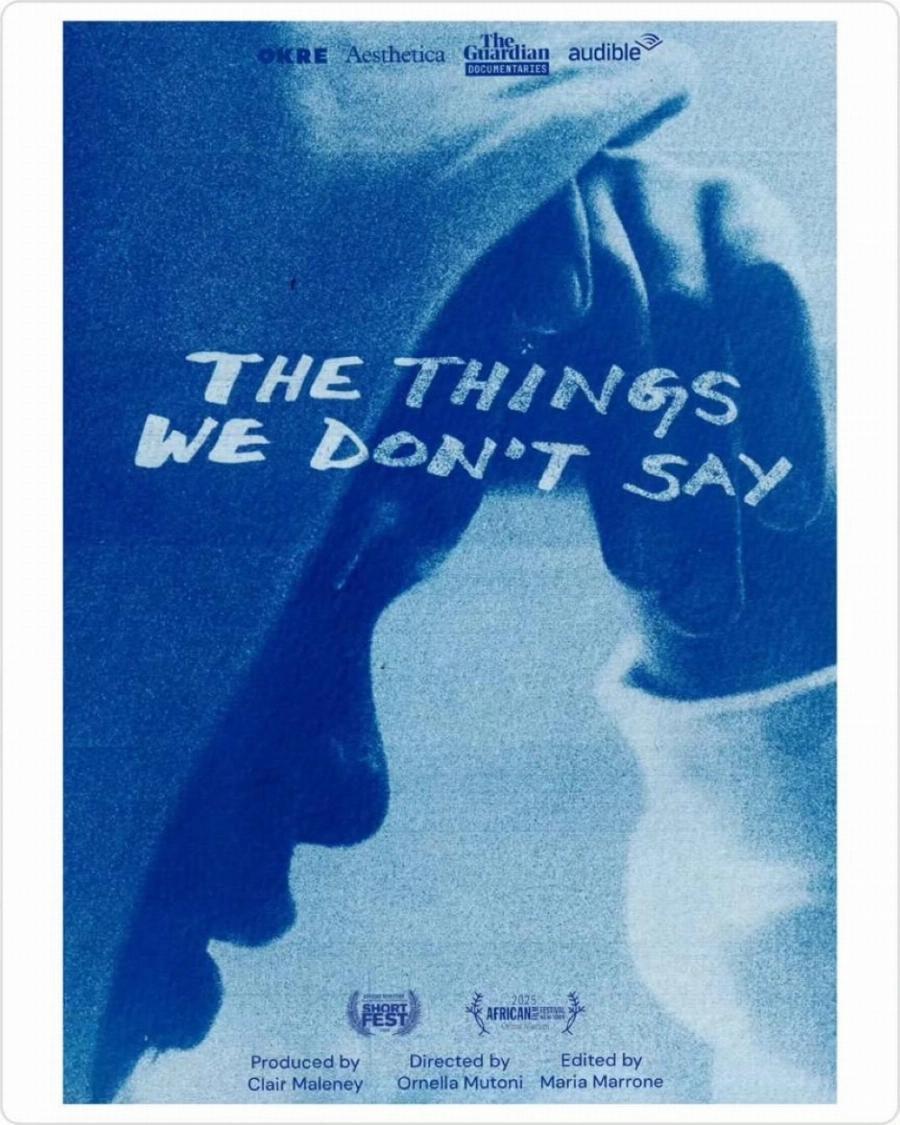
The Things We Don’t Say, a short film by Ornella Mutoni is set for screening during the inaugural edition of Cine Kwibuka on Friday, April 10, at Canal Olympia. courtesy
The programme brings together films that examine how the legacy of the genocide continues to shape lives, narratives, and collective consciousness today.
According to Birara, the idea behind Cine Kwibuka was born from a desire to create a dedicated platform for films that confront and preserve the history of the genocide.
“The whole idea was to create a platform for documentaries and films that tell stories from the 1994 Genocide against the Tutsi. Growing up as a filmmaker, I saw fellow filmmakers working on projects around the same history, and witnessing how their work contributes to remembrance inspired me to create this event,” she told The New Times.
Ornella Mutoni
She added that Cine Kwibuka is envisioned as a long-term initiative that will bring the event to live every year.
“This is going to be an annual event to showcase films and documentaries that carry these stories. We will keep doing it for as long as Rwanda continues to remember.”
The first edition will showcase Reclaiming History – Colonial Roots of the Genocide in Rwanda, a feature documentary by Rwandan filmmaker Samuel Ishimwe, co-directed with Matthias Frickel. The film follows Ishimwe’s deeply personal journey to understand the historical origins of division between Hutu and Tutsi communities.
Through conversations held across Rwanda, Germany, and Belgium, the documentary brings together historians, witnesses, and lived experiences to interrogate a painful past that continues to shape the present. At its core lies a haunting question: what drives people who share language, culture, and country apart?
Ishimwe’s work is widely recognised for its introspective approach to memory and history. Having lost his parents and much of his family during the genocide, his films engage deeply with themes of identity, inheritance, and the enduring impact of historical trauma.
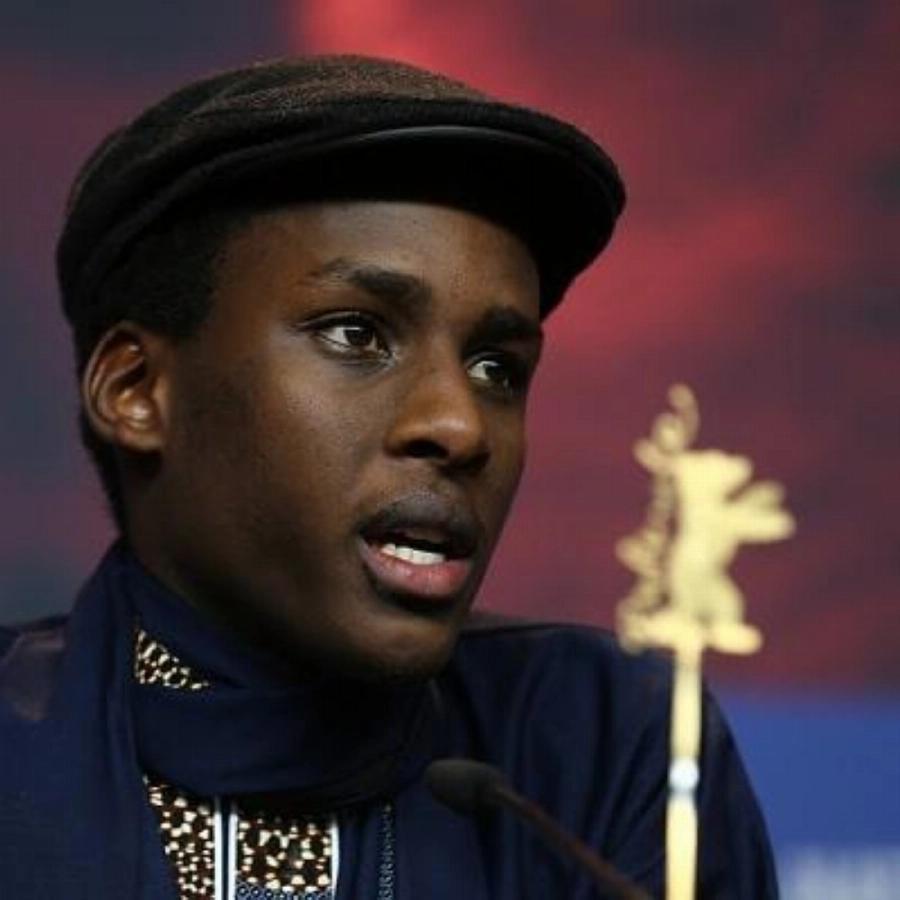
Samuel Ishimwe
His 2018 short film Imfura earned international acclaim, winning the Silver Bear for Best Short Film at the Berlin International Film Festival.
Also on the programme is Things We Don’t Say, a short documentary by London-based Rwandan filmmaker Ornella Mutoni. The film shifts focus to a younger generation—those born during or after the genocide—exploring how they carry the weight of a past they did not directly witness.
Through intimate storytelling, Mutoni follows a group of young adults gathered in a healing circle as they confront silence, stigma, and inherited trauma. The film creates a space where speaking becomes an act of healing, and where untold stories begin to find voice.
Mutoni, who survived the genocide as an infant and later grew up in Europe, brings a unique perspective to her work. Without direct memories of 1994, her films are shaped by a search to understand how inherited histories shape identity and belonging.
The inaugural edition of Cine Kwibuka will bring together diverse audiences, including younger and older generations of Rwandans as well as international viewers, creating a shared space for reflection during the commemoration period.

For More News And Analysis About Rwanda Follow Africa-Press