Africa-Press – Rwanda. Experts in peacebuilding have criticised the international community for failing to support efforts to prevent genocide, both before and after the 1994 Genocide against the Tutsi.
On April 8, Rwanda hosted an international conference on combating genocide ideology at Intare Conference Arena, as part of the 32nd commemoration of the Genocide against the Tutsi.
The conference brought together experts to examine the facts surrounding the genocide and the persistence of genocide ideology in the region.
Senegalese General Babacar Faye, a former member of the United Nations Assistance Mission for Rwanda (UNAMIR), reflected on the pre-genocide situation he witnessed in Rwanda.
He outlined the challenges UNAMIR faced after its deployment to oversee the implementation of the Arusha Peace Accords, pointing to failures in preventing the genocide and protecting victims.
He also drew parallels with the current situation in the Great Lakes region and proposed measures to avert similar failures.
“I experienced the genocide. Since 1993, in Mulindi, Ruhengeri, Byumba and Kigali, we saw lists of Tutsi who were being targeted for killing, and militias were being trained,” he said.
Faye, who worked closely with Roméo Dallaire, said warnings about the impending genocide were submitted but not acted upon.
“Dallaire sent a telegram warning of genocide, but it was never understood,” he said.
“I was at the heart of the decisions; I was at the heart of the alerts, and, alas, I was also at the heart of the failures.”
He warned that the situation in the Democratic Republic of the Congo mirrors the circumstances that preceded the 1994 genocide.
“In 1994, Radio Télévision Libre des Mille Collines was used; today, media and social media are spreading hatred. The FDLR and Wazalendo are surrounding civilians. The UN is not reacting. MONUSCO is not making sufficient efforts, just as UNAMIR failed in Rwanda in 1994. The international community is not learning lessons,” he said.
He added that despite extensive research and reporting, there has been little action.
“Reports are written, but followed by silence. The international community had information about an imminent genocide, but lacked political will. Genocide does not wait. Impunity is the fertiliser of genocide. Hate speech must be punished.”
Bruno Boudiguet, a researcher and author of a recent book on the execution of the Genocide against the Tutsi, said his work documents 300 sites where Tutsi were killed, based on testimonies from 600 survivors.
He warned that conditions similar to those preceding the genocide persist in the Democratic Republic of the Congo and criticised efforts by some authors, including Charles Onana, to minimise the genocide and spread denial.
“Those who committed genocide in Rwanda are the same individuals violating women and killing people in the Democratic Republic of the Congo,” he said.
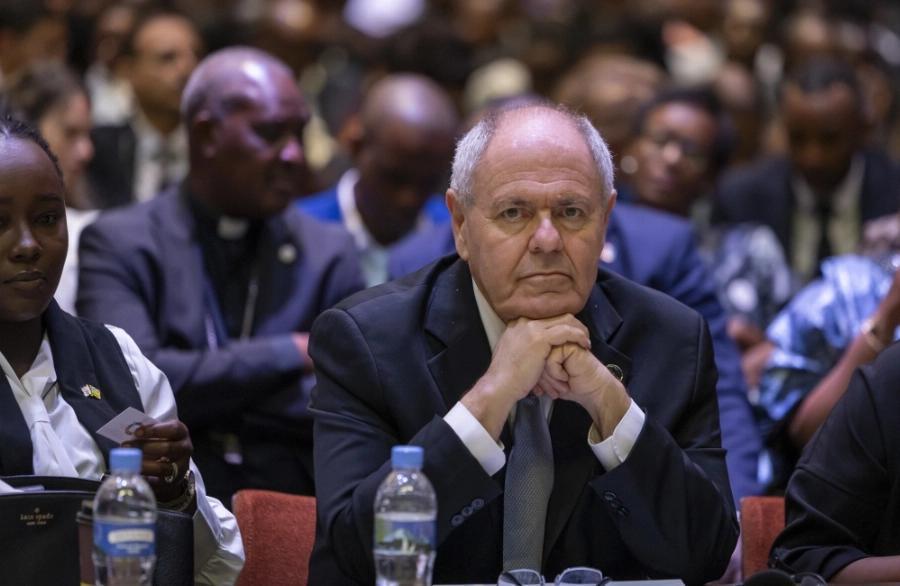
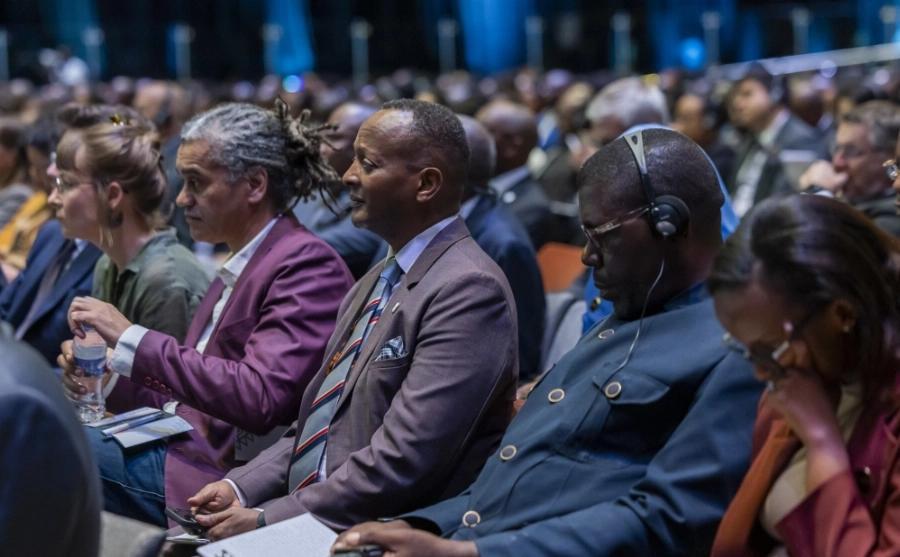
Participants follow panelists during a discussion.
Massacres against Banyamulenge in DR Congo
Lawyer Innocent Nteziryayo highlighted the persistence of genocide ideology in the Great Lakes region, citing acts of incitement, ethnic killings in eastern DR Congo, and challenges in delivering justice.
“As Rwanda remembers, we must also reflect on what is happening in the Democratic Republic of the Congo, where the Banyamulenge community faces longstanding discrimination,” he said.
He traced this discrimination to the colonial era, noting that legal recognition granted around 1950 was revoked in 1981, intensifying exclusion and violence.
“After 1994, genocidaires moved to DR Congo and continued a plan to eliminate Tutsi. In 1995, Banyamulenge were told to leave Uvira. In 1996, authorities in Bukavu gave them one week to leave. This was followed by killings in Bibogobogo, Kabera and Uvira. Today, hate speech and massacres continue, including the use of drones,” he said.
Nteziryayo added that from 2021 to the present, men and women have been killed, burned alive, and subjected to extreme violence.
“Hundreds are in prison. Recently, after the withdrawal of M23 from Uvira, at least 70 houses belonging to Banyamulenge were destroyed,” he said.
He noted that documented evidence has been submitted to regional and international courts, despite ongoing denial.
“The international community is watching but not acting. What happened in Rwanda is happening in Congo. Urgent action is needed.”
Author David Gakunzi spoke about international remembrance and the fight against genocide denial.
“Genocide ideology continues to spread in the region and abroad, including in Europe. Some groups minimise the genocide and dismiss testimonies, while certain researchers and media outlets promote false narratives. At the same time, others are intensifying efforts to counter denial,” he said.
Siras Ntamfurayishyari, a former FAR soldier who rescued Tutsi to Burundi, said the international community remained silent as the genocide was being prepared—just as it is today regarding DR Congo.
Yolande Mukagasana, a survivor and author, recalled decades of persecution against Tutsi and criticised the UN’s inaction.
“The UN existed even in 1972, but it did not act. Today, Tutsi are being killed and persecuted in the Democratic Republic of the Congo. Where is the solution? Urgent action is needed,” she said.
Alphonsine Mukamugema, president of Avega Agahozo, an organisation supporting genocide widows and their families, concluded by stressing the failure to act despite clear warnings.
“In 1994, the international community had sufficient information about the impending genocide, yet nothing was done. Even today, genocide fugitives live abroad without facing justice. The same situation is unfolding in Congo, but no lessons have been learned,” she said.
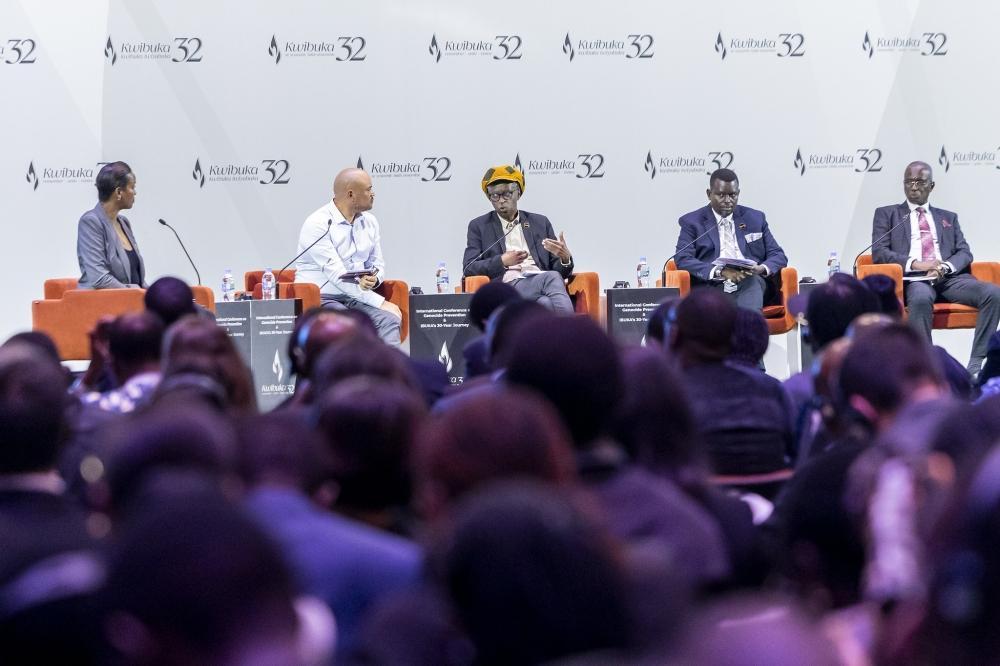
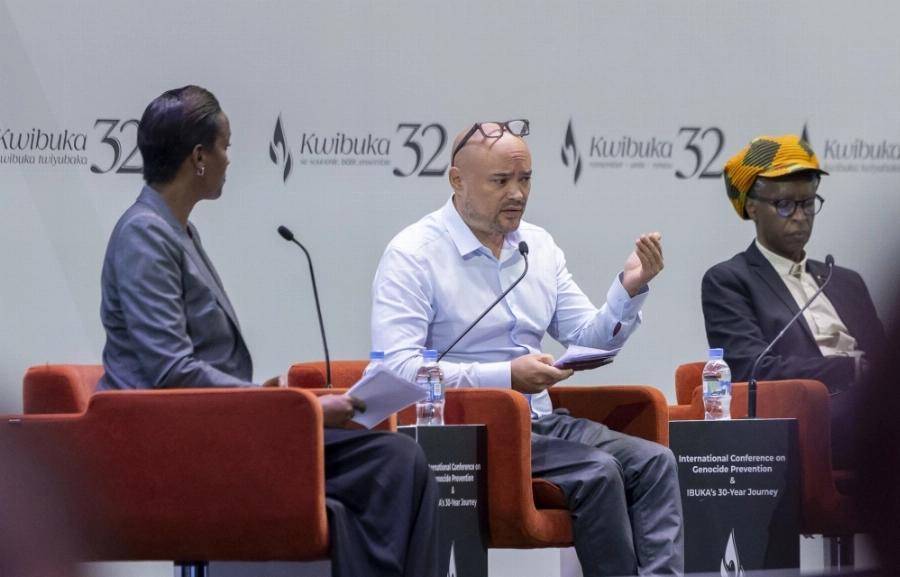
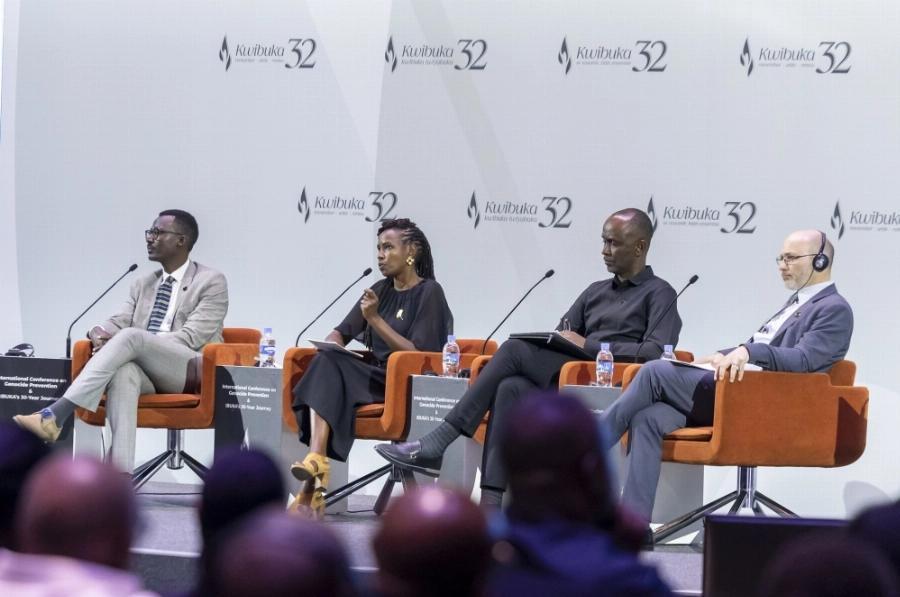
Panelists engage in a discussion during the International Conference on combating genocide ideology at Intare Conference Arena, as part of the 32nd commemoration of the Genocide against the Tutsi. Mugwiza
For More News And Analysis About Rwanda Follow Africa-Press