Africa-Press – Rwanda. The newly launched Global Health Hub is expected to transform medical training, accelerate research, drive innovation, and deepen regional collaboration, marking a significant boost for Rwanda’s health and higher education sectors.
Launched on April 27, the Hub brings together four universities—the University of Rwanda (UR), the University of Global Health Equity (UGHE), INES-Ruhengeri, and Aarhus University of Denmark.
Global Health Hub is expected to transform medical training, accelerate research, drive innovation, and deepen regional collaboration
It is designed as a collaborative platform to advance research, academic exchange, innovation, and health systems strengthening.
Officials say the initiative comes at a critical time as countries grapple with increasingly complex global health challenges, including emerging diseases, mental health burdens, health inequities, workforce shortages, digital transformation, and climate-related health risks.
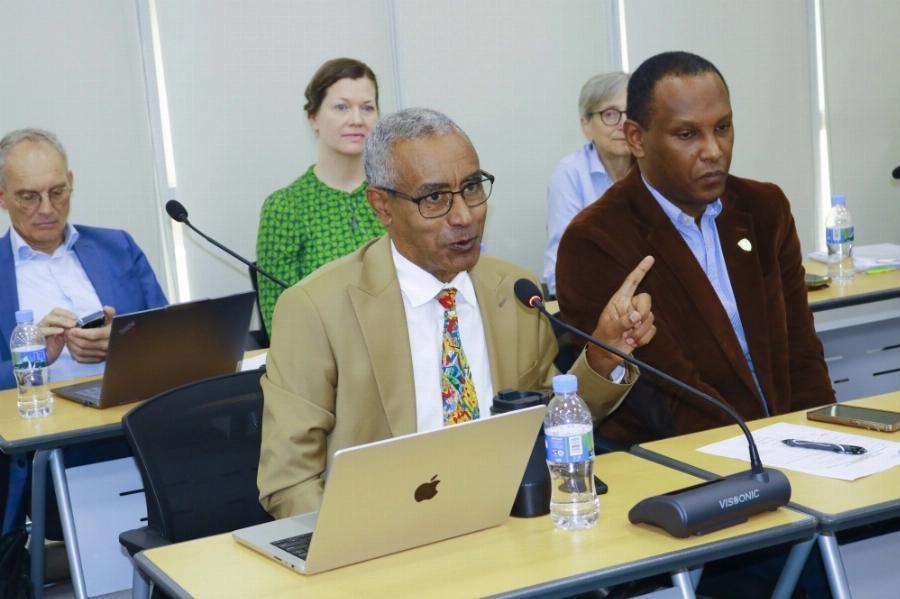
Speaking at the launch, Abraham Haileamlak Mitike, Principal of the University of Rwanda’s College of Medicine and Health Sciences, described the partnership as a major step forward for Rwanda and the wider region.
Abraham Haileamlak Mitike, Principal of the University of Rwanda’s College of Medicine and Health Sciences, speaks at the launch in Kigali.
“This means a lot for us because it is intended to be a genuine collaboration among four universities,” he said.
Mitike noted that the consortium includes three Rwanda-based institutions and one international partner, Aarhus University. While the partnership will initially seek grants from Denmark, it is also expected to attract support from other development partners.
He added that the collaboration will improve teaching and learning through innovative instruction and assessment methods across undergraduate, graduate, and postgraduate levels, while strengthening research and ensuring findings are translated into practice.
Boost to PhD training and research
Strengthening doctoral training is a key priority of the Hub.
Mitike said the University of Rwanda already runs PhD programmes in medicine and health sciences, but the new partnership will enhance curricula, teaching methods, and the overall learning environment.
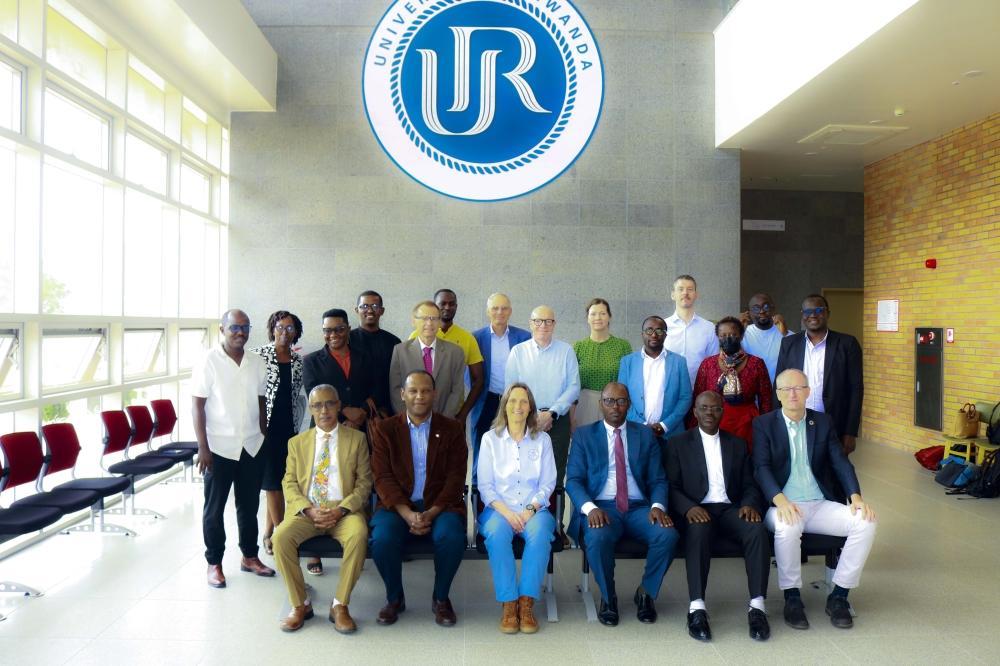
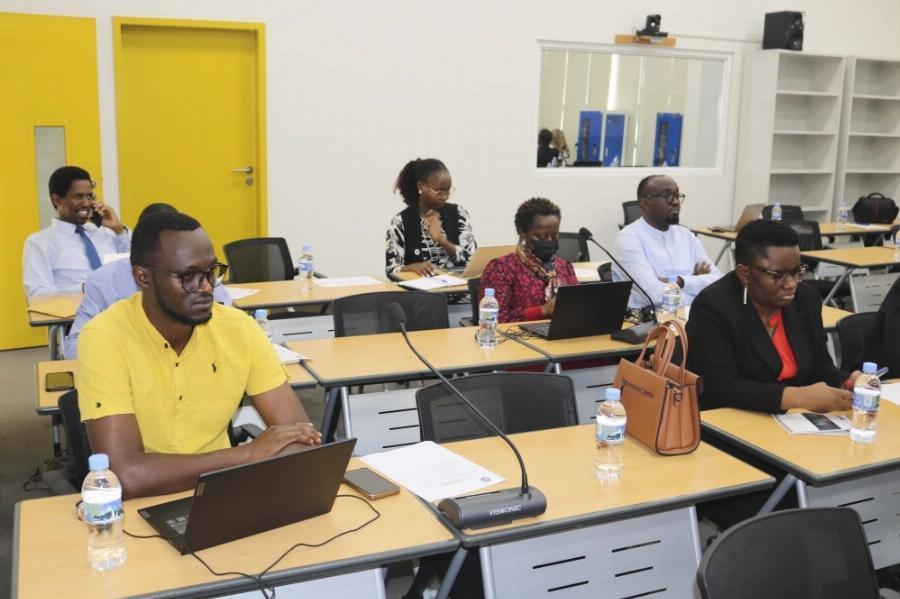
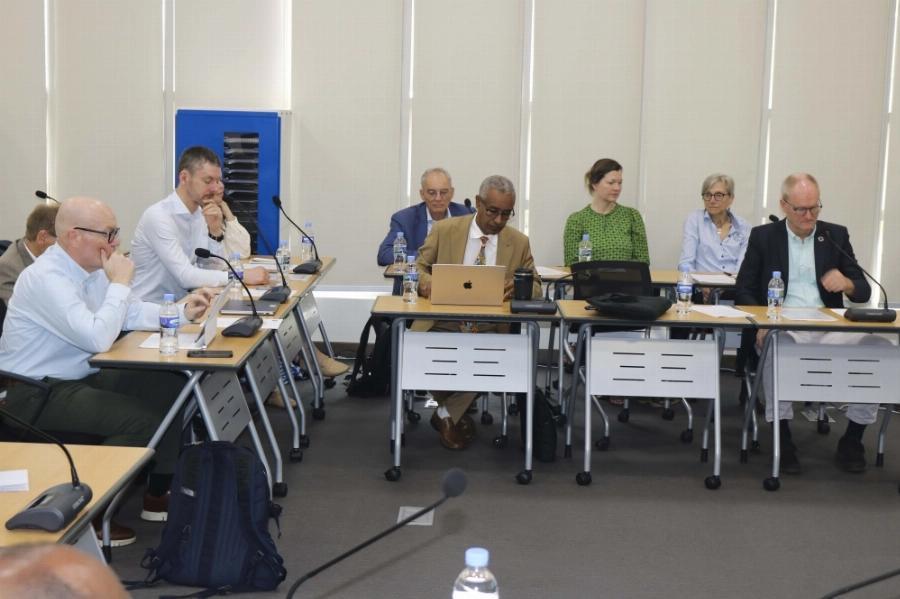
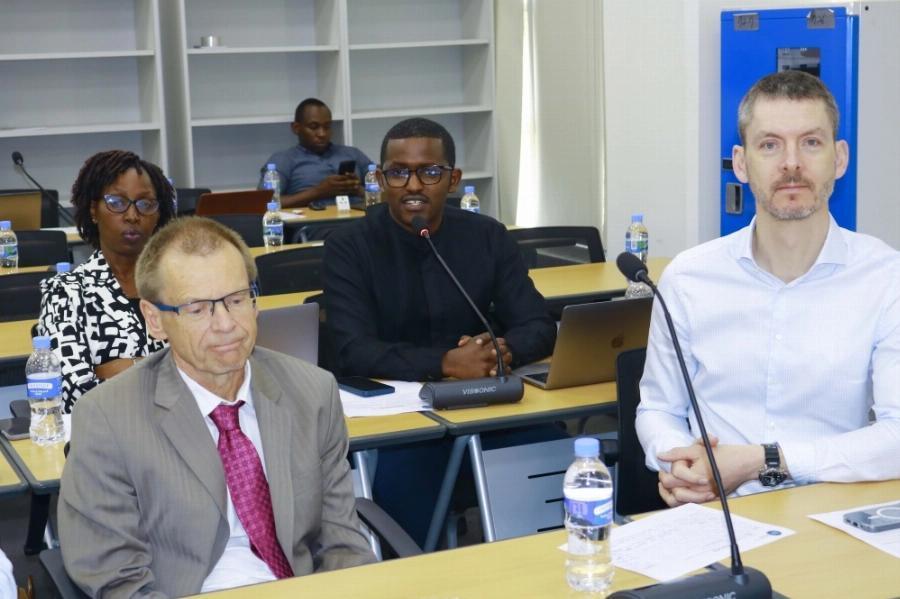
Participants during the launch of the new initiative in Kigali
“We want to strengthen PhD programmes by improving teaching, learning, and supervision. These are major areas where the Hub will make a difference,” he said.
The initiative is also expected to expand opportunities for joint research, particularly in areas that respond directly to health system needs.
Student and faculty exchange
Students and academic staff are set to benefit from exchange programmes across the four institutions.
Mitike said these exchanges will build skills, expose participants to new ideas, and strengthen institutional capacity.
“Besides improving teaching and learning at the University of Rwanda, there is an opportunity for student exchange. Similarly, faculty exchange will help improve our capacity,” he said.
Supporting Rwanda’s 4×4 health workforce plan
The Hub is expected to complement Rwanda’s 4×4 reform programme, which aims to quadruple the health workforce within four years.
Mitike noted that the University of Rwanda, as the country’s main public higher learning institution in health sciences, plays a central role in implementing the strategy.
“In five years, we expect to see more students, stronger faculty capacity, and better use of technology through these collaborations,” he said.
He added that technology-enabled learning and specialised training from international experts will further strengthen Rwanda’s medical education system.
Creating impact beyond academia
Per Kallestrup, Research Director at Aarhus University, said the partnership is designed to deliver practical impact beyond academia and benefit communities locally and internationally.
“We want to create impact for the health of the people of Rwanda, as well as for the wider community in the region, Denmark, and the Nordic countries,” he said.
Kallestrup noted that each institution brings unique strengths, and by sharing expertise, the partners can improve medical education and train stronger health professionals.
The Hub brings together four universities—the University of Rwanda (UR), the University of Global Health Equity (UGHE), INES-Ruhengeri, and Aarhus University of Denmark.
“By learning from each other, we can strengthen staff capacity and create better health professionals for the future,” he said.
He added that graduates trained under improved systems will carry these skills into communities, contributing to more resilient health systems.
Potential to reach thousands of learners
According to Kallestrup, the combined student population of the four universities gives the Hub the potential to impact more than 20,000 learners over time.
The partnership also aims to support the development of about 100 PhD graduates over the next decade through joint doctoral programmes, curriculum development, and collaborative supervision.
“That is one of our overarching ambitions,” he said.
Positioning Kigali as a regional hub
The Global Health Hub also seeks to position Kigali as a regional centre for health innovation and academic excellence.
Its objectives include promoting interdisciplinary collaboration in digital health, medical education, research, and health systems strengthening, while increasing engagement with government institutions, development partners, and diplomatic missions.
Students and academic staff are set to benefit from exchange programmes across the four institutions.
Expected outcomes include stronger collaboration among partner universities, increased visibility for the Hub, identification of priority projects, and expanded opportunities for joint research, innovation partnerships, and academic mobility.
A model for future partnerships
Kallestrup said starting with four institutions allows for deeper collaboration and more focused implementation, with potential for future expansion.
“We believe this model of university collaboration can become a frontrunner for future partnerships, not only within one country but across regions and continents,” he said.

For More News And Analysis About Rwanda Follow Africa-Press