Africa-Press – Rwanda. A court in France on Tuesday, December 19, handed a 24-year prison sentence to Sosthène Munyemana for his role in the 1994 Genocide against the Tutsi.
Munyemana who had gained notoriety as the ‘Butcher of Tumba’ is a scholar and doctor who abdicated his oath as a saver of lives and instead chose to take them.
He was convicted for genocide, crimes against humanity, and complicity in genocide.
This was a sigh of relief for Rwandans, especially survivors of the genocide against the Tutsi, given that Munyemana had been wanted for genocide crimes since 1995 and was a subject of Interpol Red Notice since 2006.
It also brings hope for accountability for the dozens of Genocide fugitives who have found safe haven in France from where they were evacuated nearly 30 years ago when the massacre was put to an end.
Currently, several fugitives who have been identified and indicted by the Rwandan prosecution through the Genocide Fugitives Tracking Unit are still roaming in France where they continue to promote the toxic genocide ideology and mislead the world on the happenings 30 years ago.
More were tried and convicted in absentia by Rwandan courts including the Gacaca semi-traditional courts who are still scot-free in France who should be apprehended and held accountable for their crimes.
Yes, France has lately shown political will on the issue of genocide fugitives who had found a safe haven in the European country, going by the number of trials held over the last ten years.
However, there is a lot that needs to be done. With the precedence set through these trials, it is for instance the time for the French judiciary to revisit the unfortunate case of Colonel Laurent Serubuga, who was set free on rather unfortunate grounds.
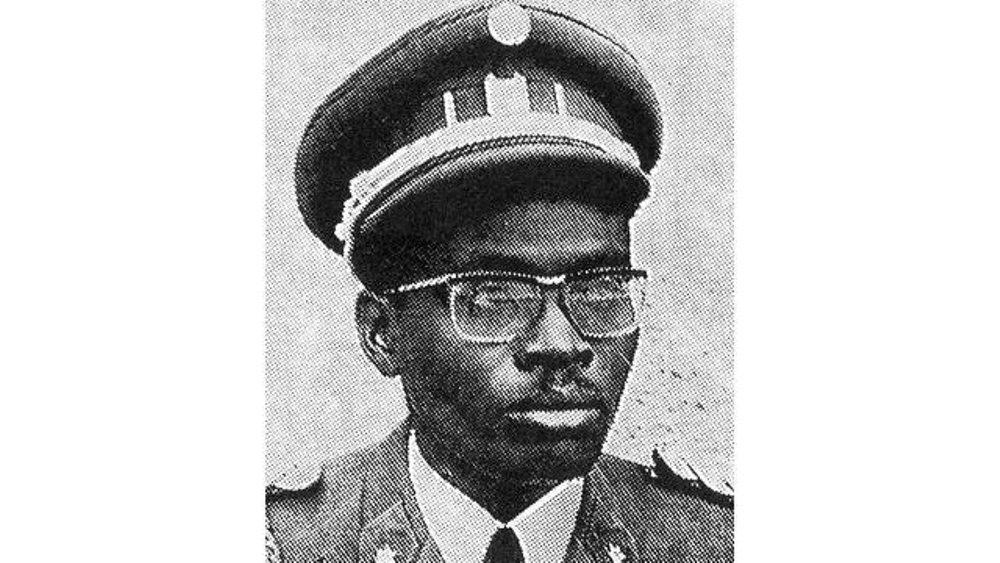
In 2013, Serubuga, a key mastermind of the Genocide who worked as a deputy chief of staff of the former Rwandan military, Ex-FAR, was arrested on a warrant by the Rwandan prosecution, which requested for his extradition.
However, a subsequent ruling by a French court averred that he could not be extradited because Rwandan laws did not have provisions to punish genocide crimes the time he committed the alleged crimes.
Following this unfortunate ruling, a first Genocide trial was held in France in 2014 and nearly ten years later, at least seven people have been tried and duly convicted, which is good enough to set precedent to have Serubuga apprehended and tried on the same.
Source: The New Times
For More News And Analysis About Rwanda Follow Africa-Press