Africa-Press – Seychelles. Are we facing yet another challenge in the fight against drugs? It seems like it! Since the beginning of the year, the information section at the Division for Substance Abuse Prevention, Treatment and Rehabilitation (DSAPTR) noted an increase in the number of patients. Last year’s report shows that DSAPTR is currently following 3166 clients in different programmes – heroine, cannabis, alcohol. The youngest patient seen last year was aged 13 years and this is alarming.
When international market booms, that is what usually happens and cocaine might have reached Seychelles through air or sea. Cocaine is a highly addictive drug that up your levels of alertness, attention, and energy. Some people called it a stimulant. It’s made from the coca plant, which is native to South America. It’s illegal in most countries and other names for it include: Coke, Snow, Rock, Blow, Crack, White Lady and Cadillac.
According to DSAPTR, often times, patients are not aware they have consumed cocaine and only when they come do their tests at the clinic they are made aware. DSAPTR usually advises its clients about the physical and mental dangers of using cocaine. Some people uses cocaine to help them work longer hours…but later on this develops into addiction.
Route of administration
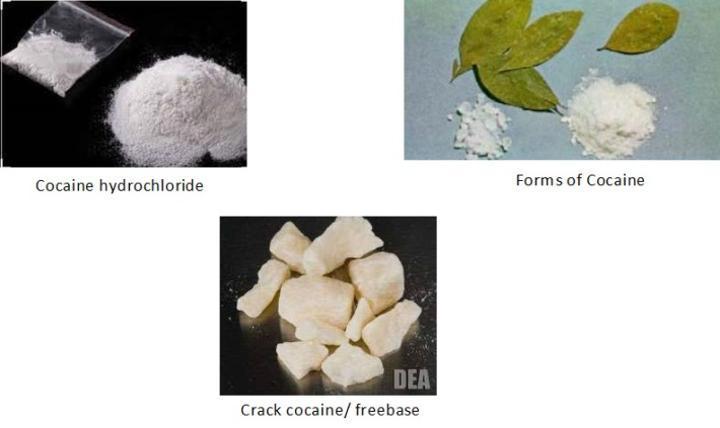
Cocaine hydrochloride is the chemical form of cocaine that is created when the drug is turned into a powder. This form of the drug has a high melting point, which means that it doesn’t effectively produce vapours. It can only be snorted or injected intravenously.
During the freebasing process, the cocaine base is separated from the hydrochloride before being heated, usually in a glass pipe (one of many cocaine accessories). Freebasing creates a form of cocaine that has few, if any, impurities. For smoking purposes, freebasing also creates cocaine with a low melting point. As a result, this type of cocaine creates vapours efficiently, without the need for too much heating.
Acute poisoning
DSAPTR explained that after cocaine consumption, there is euphoria (rush) followed by depression (crash) after an hour. There are two stages: stage of stimulation and stage of depression.
The stage of stimulation usually lasts up to 1 hour. Clinical features include: Euphoria – sense of well-being; impaired learning of new skills, impaired reaction time and attention span; excitement; increased sex desire; talkativeness; tachycardia; hypertension; respiration rapid and shallow; hyperthermia (cocaine fever) due to cutaneous vasoconstriction and enhanced activity; sweating; cardiac arrhythmias; generalise convulsions – seizures; confusion; hallucinations; muscle twitching and stroke.
DSAPTR noted that unfortunately in Seychelles there are quite a few people, below 40 years old, who are having heart problems and are reporting to the hospital.
During the stage of depression, the victim experiments the following: respiratory depression; increased cyanosis; depression; hallucinations; paralysis of muscles; loss of reflexes; comma and death may occur.
A chronic user will experiment anorexia, increased erotic tension (nymphomania in female and sexual perversion in male/ sexual impotence, tongue & teeth may be jet black, nasal erosions / perforations, anosmia, rhinorrhea, nasal eczema, physical and moral deterioration (weight loss, malnutrition, vascular disease), cocaine insanity with hallucinations,specially of tactile nature (Magnan symptoms / cocaine bugs) and movement disorders.
People who use cocaine often may also have more serious side effects and health problems, like: headaches, convulsions and seizures, heart disease, heart attack, and stroke, mood problems, sexual trouble, lung damage, HIV or hepatitis if you inject it, bowel decay if you swallow it, loss of smell, nosebleeds, runny nose, and trouble swallowing, if you snort it.
Once a person is on cocaine, he cannot stop. Usually called the rich men’s drugs because of its price, cocaine brings more psychological dependency and there is no substitute for that. Counselling and other types of therapy are the most common treatments for cocaine addiction. The patient needs to stay in a rehabilitation centre (also known as rehab). Sessions with a trained therapist can help and make changes to the behaviour and thought processes. No medicines are approved to treat cocaine addiction but there are a few medication options doctors are having some success with in-treatment.
The word is do not touch drugs. Know who you are and if you have a plan for your life, drugs will not have a place in your life. Drugs has no preference, if you are at risk, it will find you.
If you need help, please feel free to call DSAPTR on 4 303 510.
For More News And Analysis About Seychelles Follow Africa-Press