Africa-Press – South-Africa. INFRASTRUCTURE investment was to be accelerated, with R17.5 billion set aside in yesterday’s Budget for these projects, Finance Minister Enoch Godongwana said.
The government has a long history of pledging large-scale infrastructure development and delivering very little of it. Deal Leaders International chief executive Andrew Bahlmann said in his response to the Budget for instance, that while he was pleased the Budget documents talk at some length of infrastructure and easing the regulatory burden on business, “the caveat is that the government must walk the talk”.
Godongwana said yesterday that National Treasury would implement the results of a recently completed review of the Public-Private Partnerships (PPP) framework, and create a “centre-of-excellence” for PPPs and other blended finance projects.
This centre would be established with direct Treasury oversight, and would be an interface with private financial institutions for investments in crucial government infrastructure.
“We will also work with other national departments and the provinces of the Eastern Cape and Northern Cape to pilot a revised approach to infrastructure delivery. This approach will include innovative financing and delivery mechanisms, as announced by the president in his State of the Nation Address,” the finance minister said.
“In October, I will table amendments through the 2022 Division of Revenue Amendment Bill to enable provinces to pledge their infrastructure grants to leverage more financing to fast-track the rollout of infrastructure,” he said.
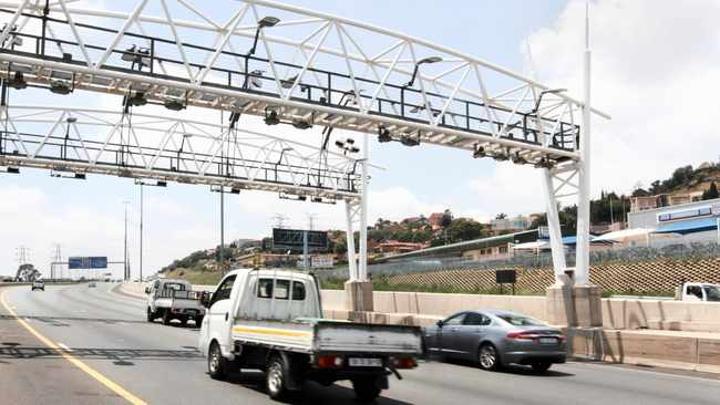
“As we upgrade roads, bridges, water and sewer networks, transport, school infrastructure and hospitals and clinics, the aim is to unlock higher levels of employment for those involved in the projects,” Godongwana said.
“Value for money and quality of delivery is top priority in the development of the project pipeline,” he said.
Professional services firm PwC said total investment spending in South Africa fell from an average of 30 percent of GDP in the early 1980s to about 16 percent of GDP by the early 2000s.
“To grow faster and in a more inclusive manner, the economy needs a higher level of capital spending. According to the National Development Plan (NDP), gross fixed capital formation needs to reach about 30 percent of GDP by 2030. Two-thirds of this needs to come from the private sector,” the firm said.
“However, lifting private investment from 12.5 percent of GDP in recent years to 20 percent of GDP requires the right investment climate.
“Both (economic data) reports reflect a hesitancy to invest in fixed infrastructure and capital goods. With this in mind, we cannot say that the Economic Reconstruction and Recovery Plan launched some 18 months ago has really supported private investment,” PwC said.
Consulting Engineers South Africa chief executive Chris Campbell said they were pleased that the government was looking at value for money and quality of delivery as the top priority in the development of the infrastructure project pipeline.
“When you are looking at the cost of an infrastructure project you need to consider the total cost of ownership spanning the typical 30 years or more of the project life-cycle,” he said.
“The life-cycle includes planning and design, construction, operations and maintenance. The planning and design services typically only made up 2 percent of the total cost of ownership, but have a major impact on the more than 80 percent long-term costs of operation and maintenance of the project,” Campbell said.
“You cannot procure infrastructure services in the same manner that you procure ball point pens on the basis of the lowest price – in doing so, you will regret the long-term implications of the cost of operations and maintenance,” he pointed out.
BUSINESS REPORT
For More News And Analysis About South-Africa Follow Africa-Press