Africa-Press – South-Africa. JOHANNESBURG – THE DEPARTMENT of Agriculture, Land Reform and Rural Development today warned South Africa citrus farmers that the Asian Citrus Greening disease, or Huanglongbing (HLB), posed a serious threat to the industry although it was not in the country yet.
“The disease is caused by the pathogen (bacteria), Candidatutus Liberibacter asiaticus, which is insect vector-transmitted by the Asian citrus psyllid (ACP), Diaphorina citri and it poses a huge threat to all citrus industries in the world,” it said in a statement.
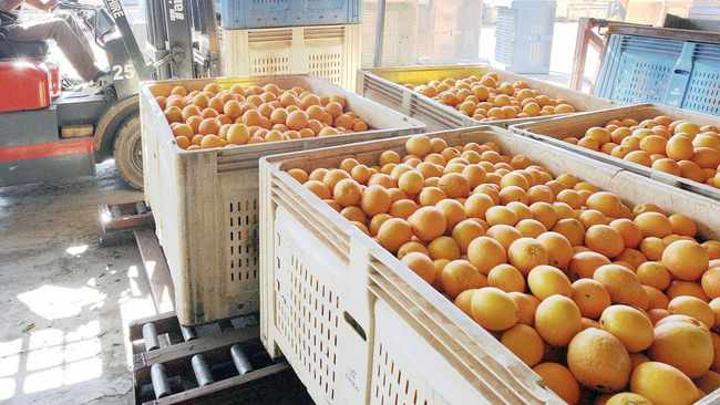
The warning comes after the citrus industry, which is the second-largest exporter of fresh citrus in the world after Spain, saw a record-breaking 2020 export season, delivering 146 million cartons of citrus to the rest of the world.
The department said: “Though not present in South Africa currently, the Asian Citrus Greening poses a serious threat to the citrus production in South Africa, the Southern African Development Community (SADC) region and the entire continent.
“It is the most devastating disease of citrus worldwide, causing serious yield losses to producers in countries where it currently occurs.
“In the African continent, this specific strain has already been detected in Ethiopia and Kenya and the insect vector has been detected in Kenya and Tanzania.
“The occurrence of this disease, together with its primary vector, is a major concern to the continent because infected citrus trees cannot produce edible fruit and will decline and die; thus, a major concern for food security and the loss of market access due to a major loss in the production of required fruit volumes,” it said.
Symptoms on leaves and shoot included yellow shoots, asymmetric, mottled leaves, small upright chlorotic leaves, out of phase flushing and branch dieback.
Flower and fruit symptoms included unseasonal and heavy flowering on diseased branches, small, lopsided, bitter-tasting fruit with small, brown, aborted seeds and uneven colouring at maturity and excessive fruit drop.
The department said considering the socio-economic value and the impact that citrus production had in South Africa, all role players – such as farmers, nurseries, international travellers, importers, researchers and members of the public – must adhere to the country’s phytosanitary regulatory framework.
“This will minimise the introduction, establishment and spread of this disease in South Africa and the SADC region.
“The introduction of this disease in the SADC region will have devastating consequences for the citrus industry, which is already under immense pressure, dealing with other economically important pests and diseases, such as Citrus black spot, False codling moth and fruit flies,” it said.
The department, in collaboration with the citrus industry, said it had established an HLB Steering Committee, which has developed a Preparedness and Response Action Plan and related measures to minimise the risks of introduction of HLB and ACP in South Africa.
[email protected]
BUSINESS REPORT