Africa-Press – South-Africa. President Cyril Ramaphosa stated that Black Economic Empowerment (BEE) and Affirmative Action (AA) are here to stay.
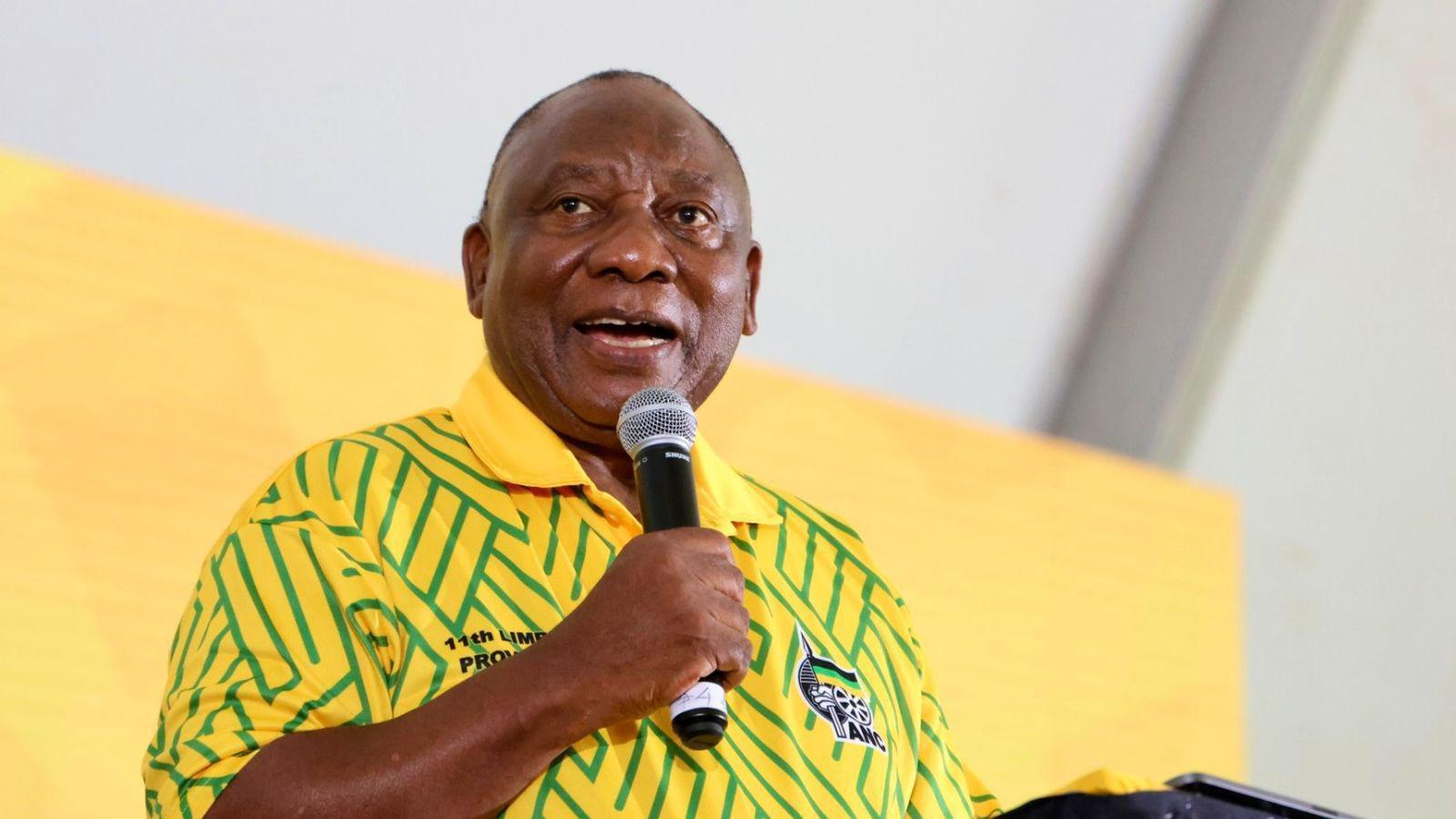
He made these statements during his closing address at the ANC Limpopo elective conference on Sunday, 29 March 2026.
Ramaphosa said empowering black people through BEE is a direct requirement of the South African Constitution.
He argued that black economic empowerment and affirmative action are needed to redress past inequalities and imbalances.
“We will not abandon the BEE policies we have embarked upon because we see them as transformative,” he said.
“We see Affirmative Action as enabling our people to participate meaningfully in the economy of our country.”
He added that they see gender equity as important to advance the interests of women in South Africa, whether they are black or white.
“We also want to advance land restitution and reform and ensure that our people have access to land. Our people must build an asset base so that their lives can be better.”
“We want our people to have opportunities to advance their lives through employment, gaining skills, and running their own businesses.”
He added that there is still much work to be done. “There are still many hills that we have to climb and face the challenges which we may have,” he said.
Ramaphosa admitted that they faced many setbacks and detours along the way, but that it would not deter them.
“We must remain committed to building a united, non-racial, non-sexist democratic South Africa that will help to create a national democratic society,” he said.
BEE under siege in South Africa
Mining expert Peter Major
Ramaphosa’s commitment to BEE and Affirmative Action comes as these policies are increasingly under siege.
Opposition to Black Economic Empowerment has grown across the private sector and political parties due to its negative effect on economic growth and investment.
Mining analyst Peter Major said South Africa’s mining sector can be rejuvenated by changing the mining policies and removing BEE as it is currently devised.
Efficient Group chief economist Dawie Roodt also said South Africa must get rid of harmful policies, like National Health Insurance (NHI) and BEE.
“We need to really empower black people. This is not this crony protection and crony empowerment that we have in South Africa,” he said.
The Free Market Foundation and Solidarity said BEE compliance costs the South African economy up to R290 billion a year.
In addition, there is lost economic activity, which equates to around 3% of South Africa’s entire annual gross domestic product (GDP).
Their research further indicated that the BEE policy framework has had severe negative consequences for the economy.
The impact includes more than R5 trillion in cumulative economic losses since 2004, and approximately 192,000 jobs are foregone each year.
The Institute of Race Relations (IRR) said that the government can save taxpayers R150 billion by eliminating BEE premiums.
On Monday, 2 March 2026, IRR Legal submitted a report to Parliament on the constitutional duty of making BEE premiums in public procurement explicit.
IRR Legal also called on Parliament to use the 2026 Budget review process to bring BEE premiums down to zero.
It added that its polling showed that four out of every five voters likely want BEE premiums to be zero.
For More News And Analysis About South-Africa Follow Africa-Press