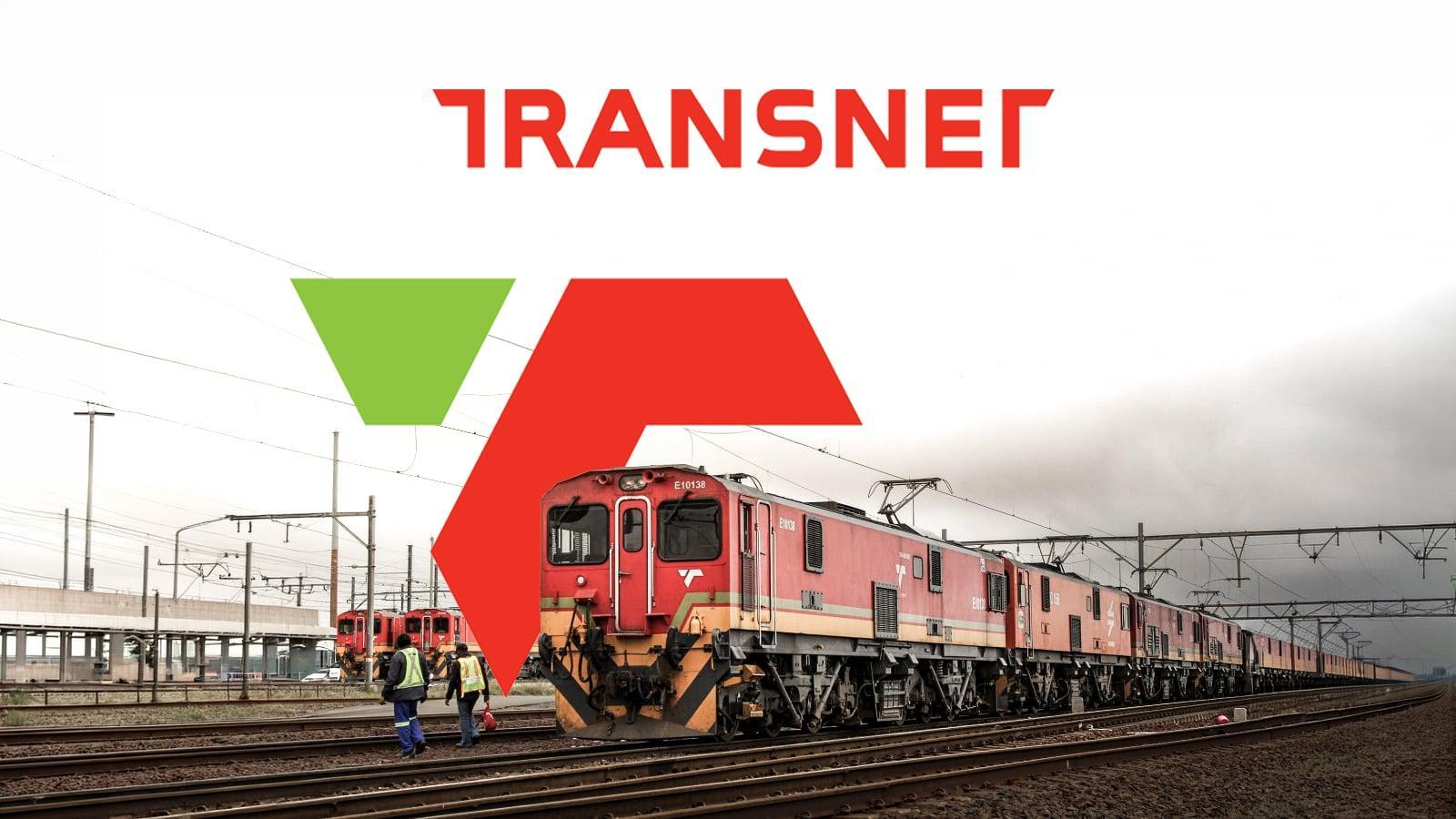
Africa-Press – South-Africa. Despite some improvements, Transnet’s incapacity to meet demand through its freight logistics is severely limiting South Africa’s economic growth.
If Transnet could improve its capacity and meet this demand, the economy could expand by at least 4% year on year.
This is according to Investec chief economist Annabel Bishop, who explained that private sector operators will be key to increasing Transnet’s capacity.
However, even with private sector assistance, Bishop said Transnet will likely take several years to improve its capacity to meet demand fully.
This means South Africa’s GDP will likely only reach 3% by 2030, with the coming years still seeing far slower growth than the country needs to meaningfully improve unemployment and living standards.
Positively, private sector participation in South Africa’s port and rail networks is increasing, with a major investment recently announced.
As part of South Africa’s sixth annual Investment Conference in 2026, Traxtion, Africa’s largest private sector rail company, announced a R3.4 billion investment in the country.
Traxtion confirmed that it is concluding a R3.4 billion rolling stock investment programme to expand freight capacity and support South Africa’s rail reform agenda.
“The programme, comprising R1.8 billion in locomotives and R1.6 billion in wagons, is the largest private freight rail investment in South Africa’s history in terms of fleet size and value, with a minimum 60% local content target,” the company said.
The programme is also expected to create 662 direct jobs during the build and deployment phase, while the added capacity is expected to address about 5% of the national freight rail capacity shortfall.
While this investment will go a long way in improving Transnet’s freight capacity, these benefits may take some time to materialise.
“Transnet’s freight incapacity to still meet demand fully has been a substantial limitation on economic growth in South Africa (although there has been some improvement), without which the economy could expand to at least 4.0% y/y,” Bishop said.
“Private sector operators are key, and more need to clearly be crowded in, as Transnet will take several years to improve capacity to fully meet demand, with GDP over 3.0% y/y likely only by 2030.”
The graph below shows the improvement in Transnet’s rail volumes since the adoption of its recovery plan, though levels remain below historic highs.
In the meantime
While improvements are taking place at Transnet, the state-owned utility continues to present a significant threat to South Africa’s fiscal recovery.
In the Auditor-General’s (AG) latest General Report on National and Provincial Government Audit Outcomes for 2024/25, Transnet’s financial instability was highlighted as a key risk.
The utility has achieved an ‘unqualified with findings’ audit opinion for the past four years, with the AG reporting that weak internal controls contributed significantly to non-compliance with key legislation.
“Management continues to disregard legislation and organisational policies – especially in relation to procurement processes,” the AG said.
“The already high irregular expenditure of R3.16 billion incurred in 2024/25 does not include a further R1.66 billion that was under assessment at year-end.”
Operationally, the AG also reported that Transnet was lacking, with the utility achieving only 27.7% of its planned performance targets and 8.33% of its operational targets in 2024/25.
The AG explained that the underachievement of Transnet’s financial recovery plan from October 2023 to March 2025 further compounds financial risks.
The AG’s Office found that only 15 of the utility’s 39 planned initiatives were completed, constituting 38.5%.
This is largely due to both Transnet Freight Rail and Transnet Port Terminals failing to meet key volume and operational targets.
The AG said Transnet Freight Rail achieved 160 million tonnes of total rail volume against a revised target of 170.3 million tonnes.
In addition, Transnet Port Terminal’s overreliance on equipment leasing, costing over R1 billion since 2021, contradicts its turnaround strategy and intended focus on asset acquisition.
“These failures, coupled with escalating finance costs (R15 billion in 2025) and a recent credit-rating downgrade by S&P Global, signal a heightened risk to Transnet’s long-term sustainability,” the AG said.
The AG identified the root causes of Transnet’s poor audit outcomes and underperformance as –
Inadequate oversight
Ineffective internal controls that result in recurring audit findings
Poor records management
Persistent delays in project execution
“These systemic governance failures have hindered the implementation of the recovery plan and compromised the entity’s ability to deliver on its mandate,” the AG said.
For More News And Analysis About South-Africa Follow Africa-Press