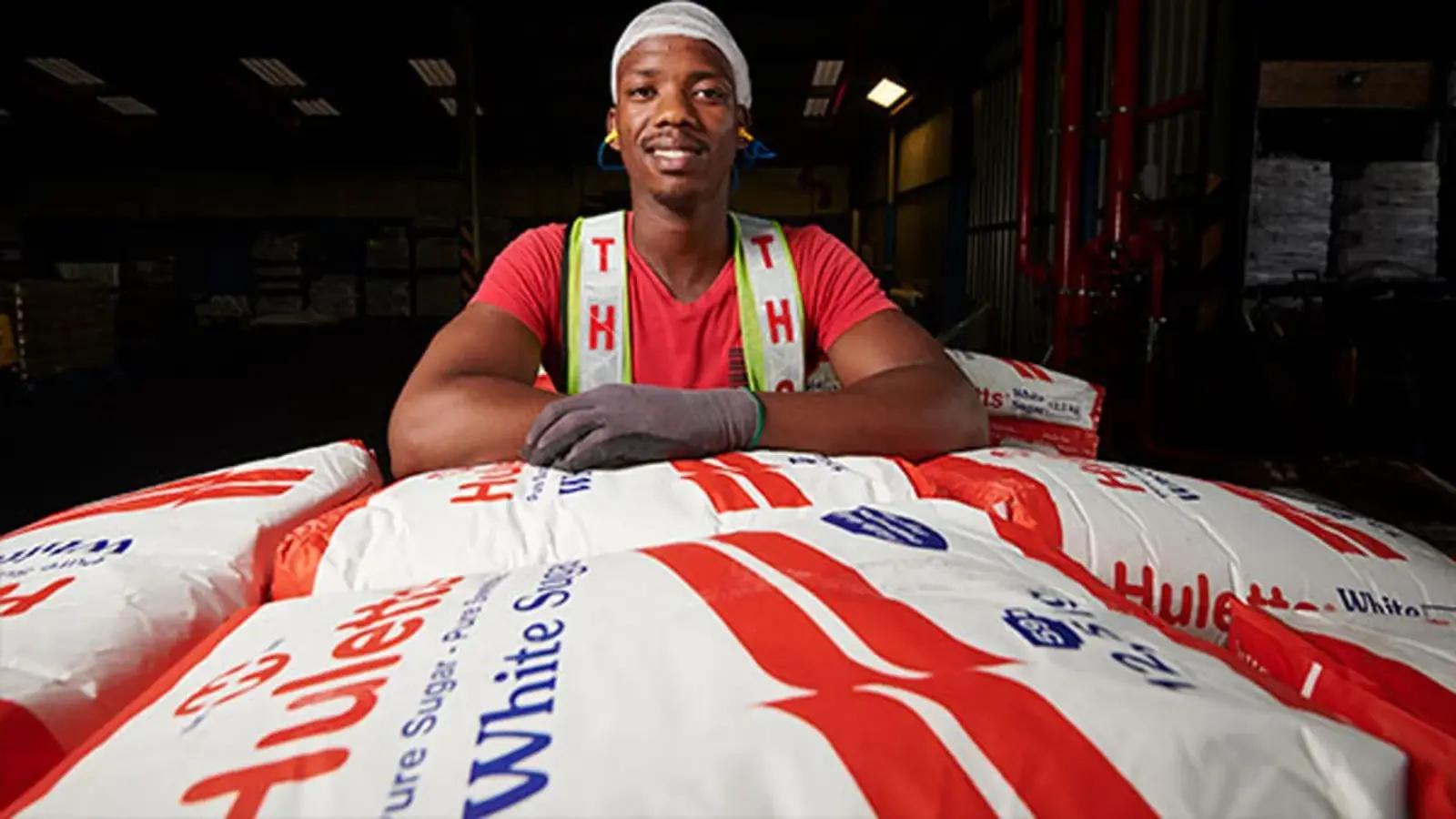
Africa-Press – South-Africa. The Department of Trade, Industry and Competition (DTIC) said it is optimistic that Tongaat Hulett can be saved from liquidation.
The 134-year-old sugar producer is one of the largest in the country, with the capacity to mill two million metric tonnes of sugar and employing thousands of workers.
The company has faced severe financial challenges since the uncovering of an accounting scandal in 2018, which destroyed R12 billion in shareholder value.
Tongaat Hulett entered into voluntary business rescue in October 2022, with its business rescue practitioners eventually filing for the company’s liquidation earlier this year.
The liquidation of Tongaat Hulett would be a significant blow to the country’s already struggling sugar industry, as it is the only standalone producer of white sugar in South Africa.
The recent turnaround of the Gledhow Sugar Company, however, has given hope that the DTIC can still prevent Tongaat Hulett’s liquidation.
Gledhow’s sugar mill in KwaDukuza has been refurbished and is expected to resume operations within the next week, saving more than 400 jobs.
While the company has been in business rescue since 2023, new investors such as the Kenya-based Chatthe Group have helped to turn Gledhow around.
DTIC Deputy Minister Zuko Godlimpi, who attended the reopening of Gledhow’s sugar mill, said he hopes to replicate their success across the sugar industry, including at Tongaat Hulett.
“We are positive that Tongaat Hulett will remain in operation,” Godlimpi said. “We are discussing some hard conditionalities with them about how they must improve and revamp their operations.”
“To the workers, I would say they should rest assured that, as far as government is concerned, we will do our level best to keep them in employment.”
While the DTIC does not have the power to halt Tongaat Hulett’s liquidation, it has said it will make a case against it.
Saving South Africa’s sugar industry
SA Canegrowers Chair Higgins Mdluli
Industry players have called on the South African government to put measures in place to prevent the country’s sugar industry from complete collapse.
SA Canegrowers chair Higgins Mdluli has warned that the liquidation of Tongaat Hulett could have far-reaching implications for the entire local industry.
“Should [Tongaat Hulett] collapse, the downstream consequences would be swift and irreversible,” Mdluli said.
“The bulk of local growers with nowhere to sell their sugarcane, and most, if not all, white sugar procurement would shift offshore in volume, undercutting local producers.”
Tongaat Hulett’s mills serve roughly 18,000 of South Africa’s 28,000 registered sugarcane growers across the provinces of Mpumalanga and KwaZulu-Natal.
The liquidation would not only affect thousands of jobs across the sugar industry but would also severely impact the local beverage and confectionery industries, which rely heavily on white sugar.
The ongoing war in the Middle East has also affected local sugarcane farmers, with higher fuel and fertiliser prices significantly driving up their production costs.
Mdluli said urgent policy reform is necessary to protect the local sugar industry, including reducing dependence on cheap sugar imports from countries such as Brazil and Thailand.
While sugar producers in these countries are subsidised by their governments, South Africa does not subsidise its local sugar industry.
“The local industry loses more than R7,000 for every ton of locally produced sugar displaced by imports,” Mdluli said. “A combined blow of R1.5 billion on the industry in a single season.”
Mdluli explained that the current tariffs on sugar imports into South Africa are based on an outdated benchmark, and often come months after the global sugar price drops.
He said that raising this benchmark to match modern standards would provide prompt relief to local producers without high cost to the government.
“The argument for government support is one of strategic interest,” Mdluli said. “A sugar industry that endures keeps rural communities employed, sustains the tax base in two provinces and preserves food-sector sovereignty.”
For More News And Analysis About South-Africa Follow Africa-Press