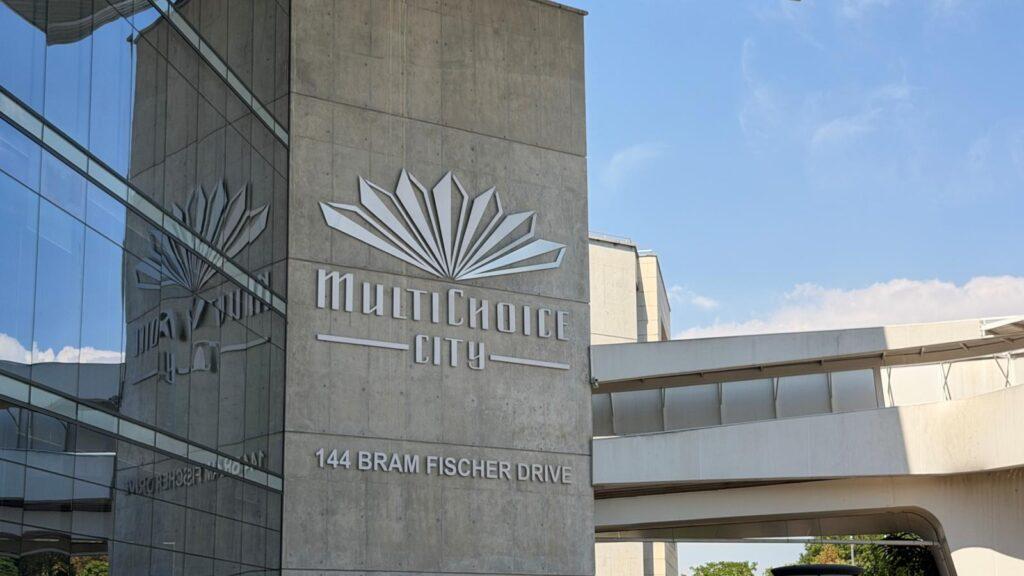
Africa-Press – South-Africa. Canal+ is continuing to aggressively cut costs as part of its campaign to turn MultiChoice around, following its acquisition of the company in late 2025.
The French media conglomerate aims to reduce its spending by approximately €400 million (approximately R7.5 billion) before 2030.
The latest is a severing of the headline sponsorship deal with the Delicious International Food & Music Festival, which DStv had been a partner of for over 12 years.
In a statement released on Instagram, the Delicious Festival thanked DStv for its support over the years and announced the dates for the 2026 festival, the first without DStv as the main sponsor.
Sunday World first reported the sponsorship cut on 12 April 2026 and sent questions to Canal+ seeking their comments on the matter.
While Canal+ reportedly did not directly respond to questions about the end of the sponsorship, it issued a brief statement on its broader business strategy.
“Since taking ownership of MultiChoice last year, Canal+ has put in place a strategic plan to ensure a sustainable future for the company, putting it back on a pathway towards growth,” Canal+ said.
“This is essential to ensure that consumers are able to continue to enjoy compelling local and international content on leading platforms and that we can continue to support South Africa’s creative industries.”
Insider reports suggest that the group’s executives considered the festival as nothing more than a costly “vanity project.”
This follows the announcement that Canal+ would shut down MultiChoice’s Showmax streaming service, which had been running at a loss for the past few years.
The service will officially come to a close on 30 April 2026, with its content set to be migrated to a dedicated Showmax section in the DStv Stream app.
Canal+ said that no employees will be retrenched as part of the service’s closure, and reaffirmed its commitment to investing in locally produced content for the South African market.
Turning MultiChoice around
CashNSport Research & Advisory Founder Nqobile Ndlovu
The reduced spending on non-essential services and assets forms part of Canal+’s broader plan to restore profitability to MultiChoice.
The group reportedly plans to invest €100 million (approximately R1.95 billion) to accelerate this turnaround, on top of the $2 billion they paid to acquire the company.
CashNSport Research & Advisory Founder Nqobile Ndlovu discussed the details of Canal+’s strategy in an interview with 702.
“There are three layers to this strategy,” Ndlovu said. “The first was to cut all contracts and agreements in order to renegotiate them.”
“The second is to remove anything that is not making money, such as sponsorships. The third part will come later in terms of slimming down the product offering so that it’s simpler and easier to understand.”
Ndlovu believes that Canal+ will shift towards an aggregator role, integrating all of its content into one singular streaming platform.
He said there will be significant challenges in enticing South African customers to move away from their decoders towards this online service, however.
Many South Africans currently pay over R1,000 per month to access DStv content via their satellite dishes, with SuperSport being the biggest draw for many of them.
MultiChoice courted controversy earlier this year when it announced it would no longer carry certain sporting events, including the 2026 Winter Olympic Games.
“SuperSport will stay as the crown jewel,” Ndlovu said. “What will happen is that these low-performing shows, like the Winter Olympics, will go.”
“What people need to understand is that MultiChoice is no longer just a South African company. It’s a continental company with over 50 countries to cater for.”
Ndlovu explained that content which is not universally popular across the territories that DStv covers will likely be dropped as a result.
While many have raised concerns that locally produced content will be cut as well, Canal+ Africa CEO David Mignot has denied this.
“It will be a strategic mistake to do that,” Mignot said. “In every market we are in, we’re the number one partner in local content production. It’s our DNA.”
For More News And Analysis About South-Africa Follow Africa-Press