Africa-Press – South-Africa. Trade union Solidarity has confirmed that it plans to go ahead with its court case challenging the constitutionality of South Africa’s Public Procurement Act, despite the recent issuance of new draft regulations under this legislation.
This Act was assented to by President Cyril Ramaphosa in 2024, with Solidarity launching its court case shortly after.
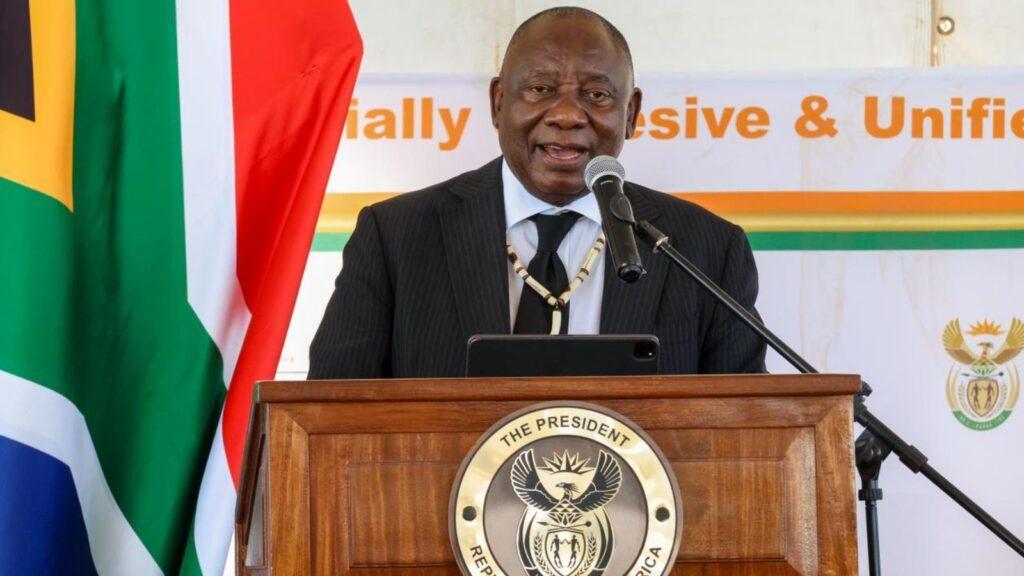
At the time, the President said this legislation is another important step in ensuring that “public funds are put to use where intended”.
He explained that the Act aims to create a framework to regulate public procurement, including preferential procurement by all organs of state.
“The Public Procurement Act allows us to make the best use of public funds to support transformation and local development,” Ramaphosa said.
“At the same time, by implementing measures to prevent the abuse of public procurement, the Act will help to ensure that public funds are put to the uses for which they are intended.”
Most recently, on 16 April 2026, the National Treasury opened the draft General Public Procurement Regulations to public comments.
These regulations will bring the Public Procurement Act into effect, and propose new black economic empowerment (BEE) rules for companies wishing to do business with the government.
Among these rules is the requirement that companies demonstrate that a large percentage of their prior procurement was with majority-black-owned businesses.
Specifically, the regulations state that companies must show that at least 40% of their prior procurement was spent on enterprises that are at least 51% owned and managed by black persons.
According to Solidarity, these new BEE procurement regulations are “even worse” than the ones they are set to replace.
“Unlike in the past, non-compliance with this very high level of BEE will now, under the regulations, also constitute grounds for automatic exclusion from all state contracts,” the union said.
Solidarity said its case challenging the constitutionality of the Public Procurement Act, which is set to be heard on 18 and 19 May, “is of critical importance to every taxpayer and service user”.
‘Harmful consequences’
Solidarity said the legislation holds direct consequences for prices, service delivery, and the state of the country’s infrastructure.
The trade union said that, despite this significance, the government decided to issue new regulations under the legislation shortly before the court ruled on its constitutionality.
“The audacity of doing this shortly before a ruling on whether the Act is fair or not is quite astonishing,” Solidarity deputy chief executive Anton van der Bijl claimed.
“These regulations will significantly increase procurement costs by narrowing the pool of suppliers available to the state.”
“Those who do comply with these BEE requirements will face virtually no limit on the prices they can charge for their goods and services. Ultimately, the taxpayer will bear the cost.”
According to Solidarity Research Institute economic researcher Theuns du Boisson, preferential procurement prevents the state and state entities from purchasing directly from the best and most affordable suppliers.
“It creates a system where middlemen and so-called ‘tenderpreneurs’ make profits without adding real value,” he said.
According to Du Boisson, state institutions are meant to function as cost-effective service providers for the public and the economy.
However, if prices are artificially inflated by adding intermediaries as additional links in the chain, he claimed it undermines this mandate, resulting in ordinary South Africans paying more for poorer service delivery.
Du Boisson referred to National Treasury estimates that up to 40% of public procurement is wasted through fraud, inflated pricing and intermediary structures.
“Yet, the new regulations increase preferential procurement requirements rather than addressing the problems within the legislation,” he claimed.
Du Boisson said Solidarity’s case will focus on the constitutional principles of fairness, efficiency and accountability.
“We want South Africans to understand that this race-based system affects them daily – in their taxes, their service delivery and their quality of life,” Du Boisson said.
For More News And Analysis About South-Africa Follow Africa-Press