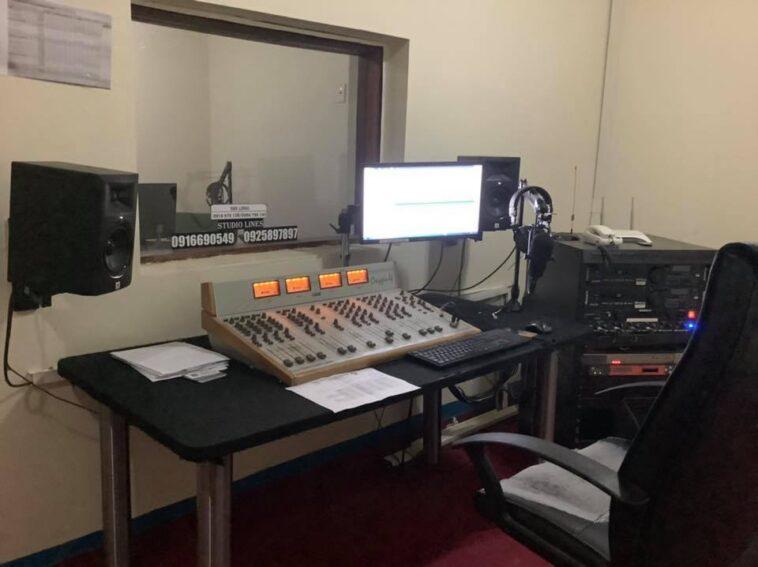
Africa-Press – South-Sudan. The United Nations proclaimed February 13 as World Radio Day in 2011, making this year’s event the 11th anniversary. This day is also being celebrated on February 13 because United Nations radio was launched on that date in 1947.
Radio is the best medium of communication that is capable of reaching the most far-flung places. It can be accessed by both illiterate and literate people from our communities. It also represents human diversity because it does not differentiate between its audience, whether they are educated or not.
As we celebrate World Radio Day, we must acknowledge that communication is a place of encounter and unity. It is through communication that we get connected and get united with one another. Every medium of communication, including radio, print, and television, develops and adapts to meet every generation’s need to connect.
Today, we are connected to our dear ones due to the advancement in communication technologies, and radio has continued to play a greater role in the lives of our people in rural communities, especially those who do not read and write. Through the establishment of many community radio stations across the country, every community can now receive the message in local languages.
However, much as we celebrate the role and the achievements of radio in the country, there are several challenges facing the medium of communication. Aside from the financial constraints that keep them running, some community radio stations and the journalists who work in them have had their work disrupted by the authorities.
In August 2021, Radio Jonglei 95.9 FM, a community radio station in the Jonglei State capital, Bor town, was shut down by the state security agency and three journalists including the station manager briefly detained. Again, four months later, Singaita F.M, a community radio station in Kapoeta County, Eastern Equatoria State, was shut down by the Eastern Equatoria State government. The authorities said “misbehaviour” by the station management caused the punishment. The two radio stations were later reopened after serious dialogue between the media body-Union of Journalists of South Sudan and the respective state authorities.
These are some of the challenges that the radio, in particular, has encountered in 2021. Therefore, as we acknowledge the significant roles being played by the radio in our communities; it is also equally important to provide a conducive environment for the medium to operate, including those serving the stations.
Journalists are also urged to foster authentic communication by maintaining the ethics of journalism as well as their code of conduct to avoid getting into trouble with law enforcement agencies.
For More News And Analysis About South-Sudan Follow Africa-Press