Africa-Press – South-Sudan. Sudan’s central bank restricted public institutions and the private sector from using foreign currency in business transactions last month amid a volatile exchange rate.
The International Monetary Fund (IMF) has expressed support for South Sudan’s efforts to curb the US dollar’s dominance in local transactions and contracts as part of moves aimed at containing the high cost of living, local media has reported.
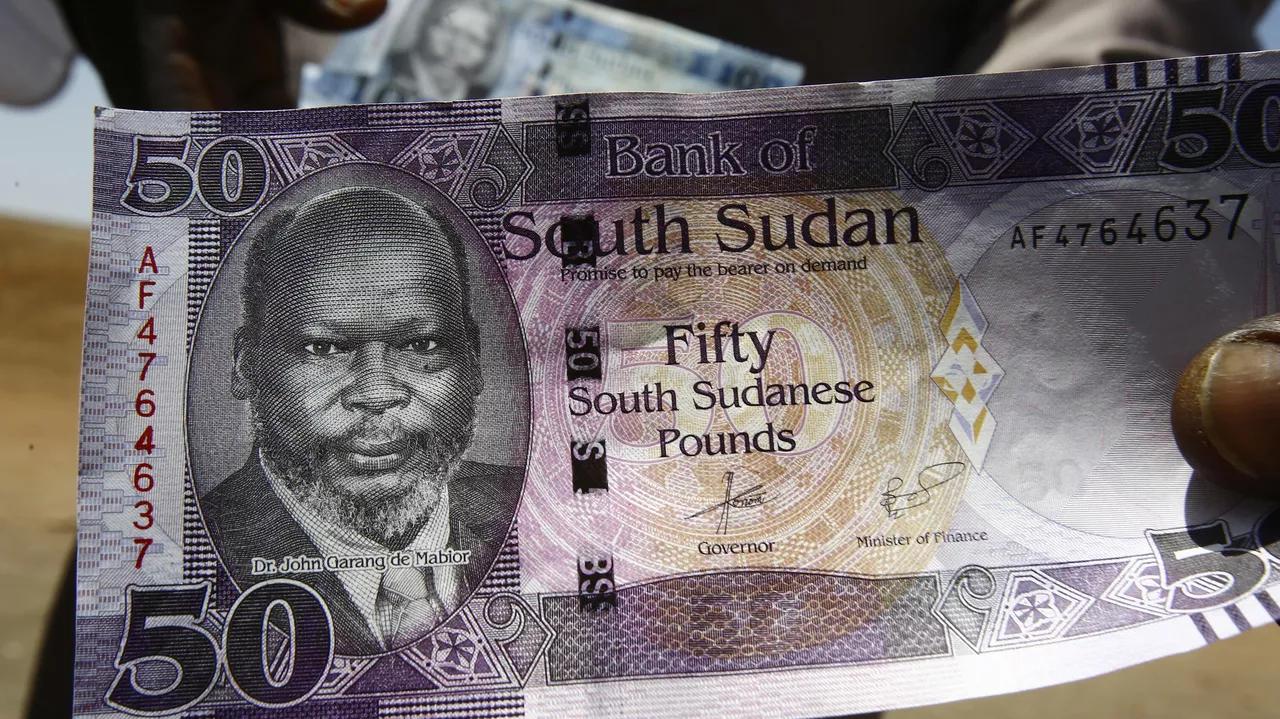
In January, the Bank of South Sudan (BoSS) restricted the use of the dollar in favor of the highly volatile national currency, the South Sudanese pound (SSP). The regulator issued a circular in which it directed that all local payments be to made in local currency.
Some businesses in the hospitality and service industry, including restaurants, travel and commercial agencies, previously relied heavily on the dollar for transactions.
However, the central bank dubbed it as an “unacceptable practice” that undermined public confidence in the local currency, underlining that it “must be entirely discouraged.”
According to the BoSS, prices for all goods and services in the country should be denominated in South Sudanese pounds, while the public budget, financial records and accounts should be also assessed in SSP. Moreover, the regulator underscored that all government institutions set to sign dollar-based contracts with foreign partners “are urged to do so under the oversight of the Ministry of Finance and Planning.”
The move comes as part of the government’s efforts to tame dollar speculation, improve the value of the local currency and lower the cost of living. According to the IMF, after falling to 2% by the end of March 2022, inflation was projected to rise in the coming months to 11% due to a depreciation of the South Sudanese pound against the US dollar, as well as “the global commodity shock from the conflict in Ukraine.”
For More News And Analysis About South-Sudan Follow Africa-Press