Africa-Press – South-Sudan. The Eritrean Business Community in South Sudan has raised strong concerns over excessive customs import charges and a 20 percent withholding tax on rental income, telling the National Legislative Assembly that the current tax regime is increasing business costs, discouraging investment, and driving up consumer prices.
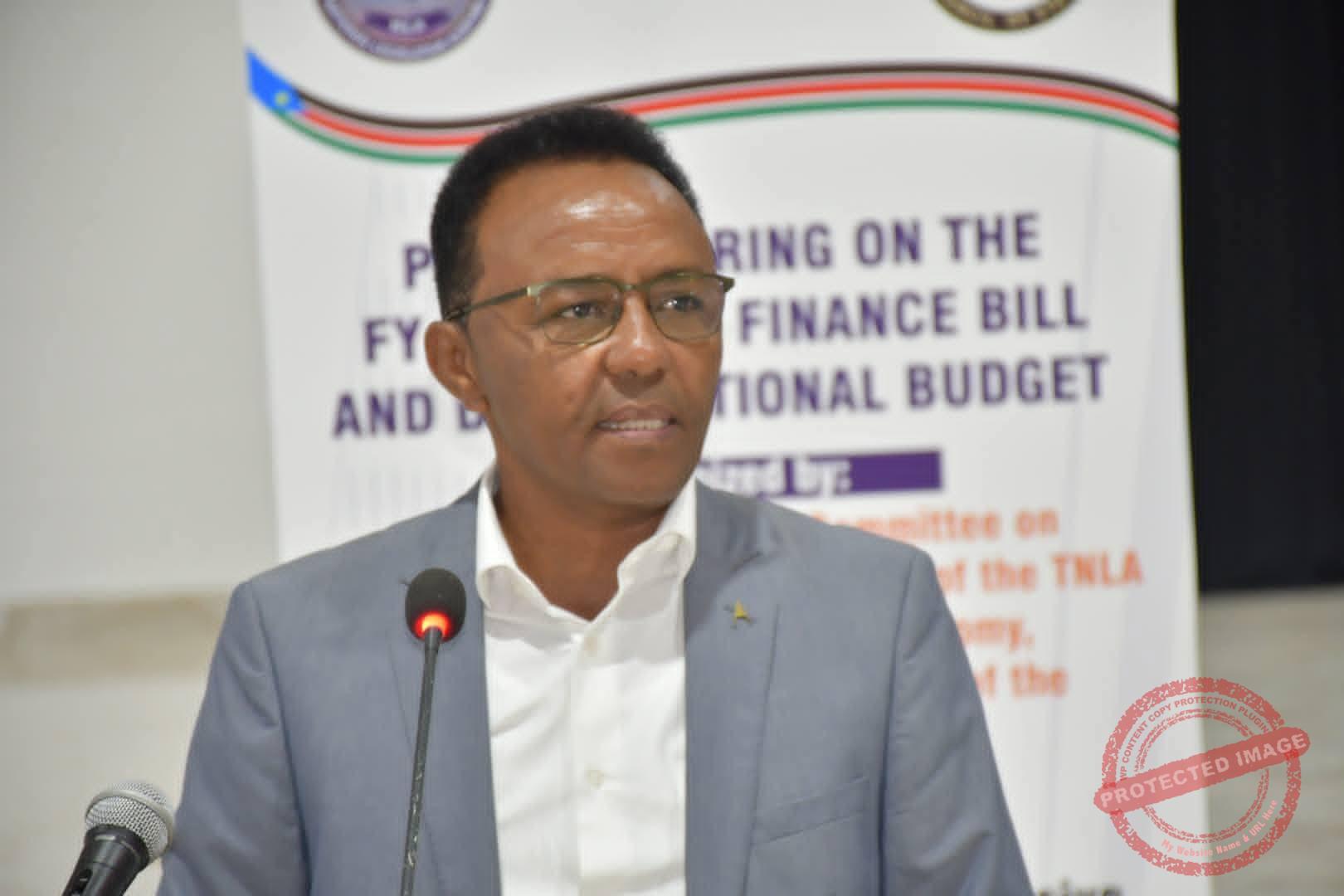
Presenting its position during the public hearing on South Sudan’s Fiscal Year 2025/2026 Budget, the business community said importers are facing unauthorized fees, inflated customs duties, double taxation, and a lack of appeal mechanisms.
Turning to the Financial Act 2025/2026, the community acknowledged government efforts but noted that “the enactment of the previous Financial Act (2024/2025) revealed practical challenges that merit parliamentary attention.”
The community told lawmakers that traders are being subjected to additional charges not provided for under the Financial Act, including trade accreditation fees, cybersecurity insurance, electronic cargo tracking fees, and clearing agents’ fees.
“Importers face numerous additional charges not authorized by the Financial Act, including trade accreditation fee, cybersecurity insurance, electronic cargo tracking fee and EAC clearing agents’ fees. Even the authorized duties are often applied incorrectly,” the statement said.
It further noted that while the Act authorizes a 5 percent customs duty, “actual duties being charged are five times higher. This raises credibility issues with the tax system in operation.”
The group warned that multiple tax assessments at different stages expose businesses to double taxation, supply chain delays, storage costs, and demurrage charges — expenses they say are ultimately transferred to consumers.
“Taxes are sometimes assessed at multiple points, creating risks of double taxation, supply chain delays, storage and demurrage charges which translate to inflated consumer prices,” the community stated.
They also cited the requirement to pay duties in US dollars as a major burden.
“The requirement to pay duties in US Dollars increases foreign exchange pressure and operational costs, which are ultimately passed on to consumers,” the statement added.
Additionally, the community raised concerns about the absence of an effective appeals mechanism, noting that “there is no effective mechanism for taxpayers to appeal or challenge excessive or erroneous assessments, as the assessments are carried out abroad, beyond South Sudanese administrative reach.”
On rental income, the Eritrean Business Community said the 20 percent withholding tax exceeds regional benchmarks.
“The current 20% withholding tax on rental income exceeds regional benchmarks. Rental withholding tax in Kenya is only 7.5% and 12% in Uganda,” the group said.
The community also objected to the extension of withholding tax to service payments.
“Service payments are already subject to Business Profit Tax,” the statement noted, warning that extending withholding tax broadly to service fees “risks double taxation.”
They further cautioned that “the cumulative effect of national, state, and municipal taxes discourages investment in real estate and raises costs for citizens.”
Among its proposals, the community called for strict adherence to the Financial Act.
“Ensure full compliance with the Financial Act; only authorized taxes and fees should be levied,” the group urged.
It also recommended that import duties be assessed “only once, at a designated point of entry within the territory of South Sudan, to eliminate double taxation and reduce delays,” and called on authorities to “allow payment in South Sudanese Pounds to ease foreign exchange pressure and support domestic liquidity.”
The community further proposed reviewing the rental tax rate.
“Review and reduce the withholding rental income tax rate from 20% to 10%, aligning with regional benchmarks to stimulate investment in real estate and support urban development,” the statement said, adding that tax obligations across national, state, and municipal levels should be harmonized “to avoid excessive cumulative taxation and enhance investor confidence.”
Concluding its submission, the business community emphasized that reform is necessary to protect citizens and strengthen the economy.
“Addressing these matters is not merely administrative; it is about protecting ordinary South Sudanese families, promoting investment and building a predictable and fair business environment,” the statement read.
Parliament continues deliberations on the 2025/2026 national budget.
For More News And Analysis About South-Sudan Follow Africa-Press