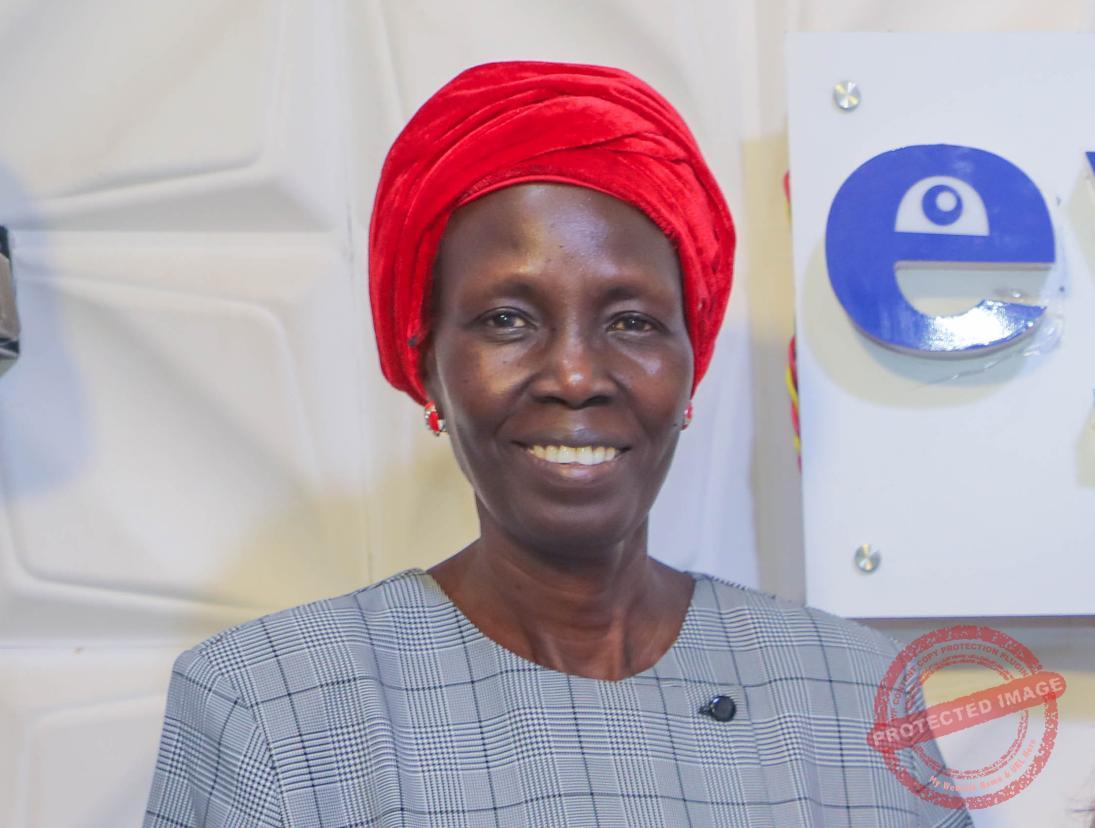
Africa-Press – South-Sudan. In an exclusive interview, Hon. Rebecca Joshua Okwaci—current Member of Parliament, former SPLM Chief Whip, and the legendary “voice of the liberation struggle” on SPLA Radio—reflected on the historical and evolving role of women in the nation. From the political pioneers of the 1960s to the “foster mothers” of the liberation struggle, Okwaci paints a picture of a nation built on the resilience and bravery of its women.
The Pioneers: Walking in the Footsteps of Giants
Speaking during the “Amplifying Voices of Women and Girls” program on Thursday, April 16, Hon. Okwaci emphasises that women’s leadership in South Sudan did not begin in a vacuum. She points to icons like Victoria Yar and Maria Saverio as the foundation upon which today’s female leaders stand.
“We consider [Victoria Yar] a role model. I heard that she was the first woman to enter the university and graduate, and she was a member of parliament. She was brave… she speaks well-organised and logical words, and she also has a result in terms of legislation.”
Okwaci recalled how her own father encouraged his daughters to emulate Yar’s “loud voice” and service to the people, noting that women in the 1960s and 70s were already shaping the political landscape.
The Liberation Era: Ammunition and Caretaking
During the era of the SPLA, the role of women shifted from the halls of parliament to the harsh realities of the front line. Okwaci describes a dual role where women were both caregivers and active participants in the machinery of war.
“We participated in all areas of liberation, including the front line and the army. Women were in charge of the sick and the families; they were carrying ammunition on their heads to go to the front line and making food for the fighters.”
She also highlighted the crucial role of “foster mothers” in refugee camps like Itang and Fenyodou, who cared for the young children of the “Red Army,” ensuring they were protected and educated.
The Fight for Representation: The 25% Quota
The interview shed light on the intense advocacy that led to the formal recognition of women in governance. The “voice of women,” according to Okwaci, was a persistent force that pressed the leadership during the struggle to ensure they were not sidelined.
“This is why we increased the number of women who participated in the struggle… This was the voice of women, and it was pressing on the leadership at that time. And we were able to find 25% of women [participation].”
From Peace to Development: “Does Peace Eat?”
As the nation transitioned from conflict to peace, Hon. Okwaci and her colleagues realized that rhetoric was not enough. They shifted their focus toward “Sudanese Women Action for Development” to provide tangible skills to the community.
“We didn’t just say ‘peace, peace.’ Because society asks you, ‘Does This Peace Eat?’ That’s why we brought Women’s Development. We did training for women, we brought in the youth, and we also brought in the traditional leaders.”
A Legacy of Modesty and Strength
Hon. Okwaci, also a pioneer in the media, noted that the female voice “was the loudest in the world” during the struggle for independence. Whether it was the high-ranking Commander Ager Gum or the teachers in the Telul in Itang Refugee Camp in Ethiopia, women have been the backbone of South Sudanese identity.
As the government continues to evolve, Hon. Okwaci remains a witness to the journey, reminding the nation that women didn’t just join the story of South Sudan—they wrote it.
For More News And Analysis About South-Sudan Follow Africa-Press