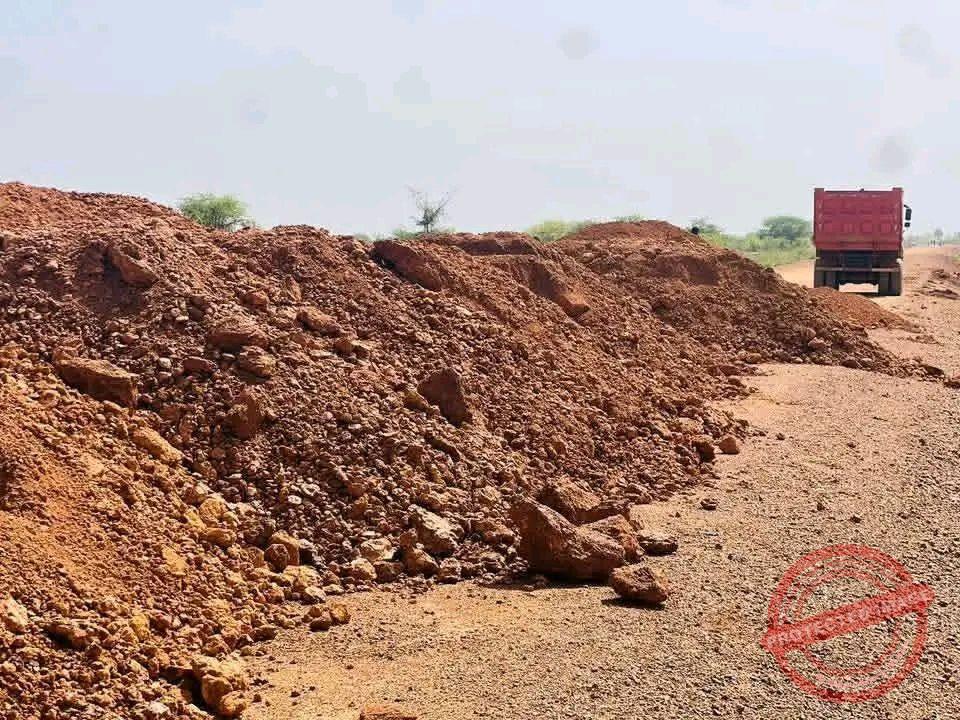
Africa-Press – South-Sudan. The United Nations World Food Programme (WFP) and the European Union (EU) have officially handed over 26 kilometres of rehabilitated feeder roads to the government of Northern Bahr el Ghazal State.
The roads—Marialbai–Chelkou and Pantit–Anyuopjang—are expected to directly benefit more than 150,000 people by improving access to markets, schools, and health facilities, particularly during the rainy season in Aweil West County.
The project forms part of a wider infrastructure programme funded by the European Union under the Global Gateway Strategy and implemented by WFP over five years, during which nearly 70 kilometres of feeder roads have been rehabilitated across the state.
EU Ambassador to South Sudan, H.E. Pelle Enarsson, said the project marks a significant milestone for the country’s development efforts. He said, and I quote:
“Today’s handover here in Aweil is an important milestone for the people of South Sudan. The European Union is proud to support infrastructure that improves people’s lives and strengthens the country’s economic resilience.”
He added “These feeder roads improve connectivity, unlock agricultural potential, boost trade and enhance security. For many communities, they are a lifeline, providing better access to markets, schools and health facilities throughout the year.
As we hand over these roads to the authorities, it is crucial that they take full ownership through proper management and regular maintenance, so that these roads continue to benefit communities for many years to come.”
For his part, the Deputy Governor of Northern Bahr el Ghazal State, Dr Tong Lual Ayat, commended the EU and WFP for supporting infrastructure development in the state.
He said:“These durable investments are already making a tangible difference in people’s daily lives. While infrastructure development remains a core responsibility of government, we value the continued partnership of the European Union in helping to address critical gaps.”
Dr Tong further noted that the security situation in the state remains stable, creating an enabling environment for further development, including expansion of essential services such as healthcare and education.
South Sudan continues to face major infrastructure challenges, with a limited road network of just over 20,000 kilometres, only a small portion of which is paved. During the rainy season, many rural roads become impassable, cutting off communities from essential services.
WFP Acting Country Director, Adham Effendi, said the roads are a lifeline for rural communities.
He said:“This road is more than mere infrastructure, it is a vital lifeline. It reduces isolation, particularly during the rainy season, lowers transport costs for users, and enhances access to markets, health facilities, and schools.”
He added that improved road access will strengthen food security, boost economic activity, and promote social cohesion.
The feeder roads are part of the “Feeder Roads to Strengthen Livelihoods and Resilience of Rural Communities” project, funded by the European Union with 22.1 million euros and implemented by WFP across four states and nine counties. The project aims to improve connectivity, strengthen livelihoods, increase food system efficiency, and foster social cohesion.
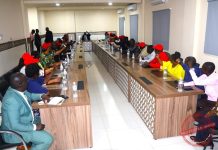
The handover ceremony held in Aweil on Wednesday was attended by senior government officials, EU representatives, and other stakeholders.
For More News And Analysis About South-Sudan Follow Africa-Press