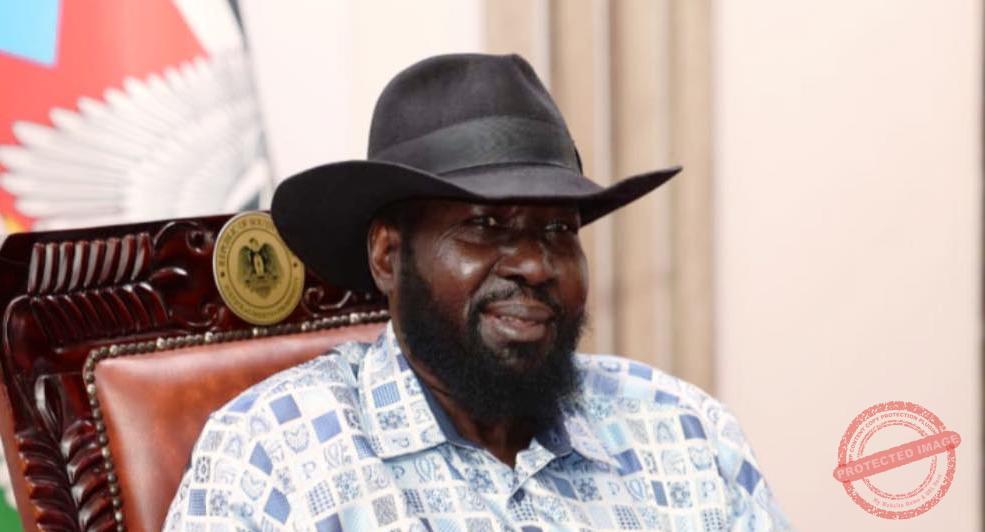
Africa-Press – South-Sudan. A civil society activist has called on President Salva Kiir to withdraw a proposed amendment bill to the 2018 Revitalized Peace Agreement (R-ARCSS) from Parliament, urging a return to established consensus-building mechanisms.
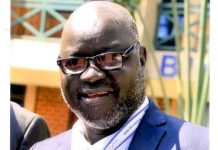
Edmond Yakani, Executive Director of the Community Empowerment for Progress Organisation (CEPO), warned that the current legislative path has bypassed the traditional procedures required for amending the peace document.
He argued that the process should have originated within the Reconstituted Joint Monitoring and Evaluation Commission (R-JMEC) before reaching the Presidency and the National Assembly.
While Yakani noted that stakeholders generally support creating a legal framework for elections, he raised serious alarms regarding proposals to delete Articles 8.2 and 8.3 of the R-ARCSS. These articles traditionally govern the supremacy of the agreement and the procedures for its amendment.
The proposed deletions have triggered widespread concern among peace actors and international partners who monitor the implementation of the agreement.
“The bill for the amendment of the R-ARCSS is before the Parliament. We are aware that, unanimously, we as stakeholders… have not objected to the amendment for creating a legal pathway for holding elections. But one of the obstacles that has emerged is deleting Article 8.2 and 8.3, which has made many actors, stakeholders, and friends of South Sudan raise a concern,” Yakani stated.
Yakani appealed to the President to convene a meeting between the Presidency and R-JMEC to reach a consensus. He warned that bypassing these agreed-upon mechanisms could undermine the credibility of the transition and risk the loss of regional and international backing.
He further called on the Intergovernmental Authority on Development (IGAD) to intervene urgently as the mediator of the 2018 agreement.
“If we bypass R-JMEC… there is a high chance that we will lose our regional and international support. Let the image of the country be saved in a manner that makes us look like a great nation respecting our commitments to legal instruments.”
In response to these concerns, the Transitional National Legislative Assembly (TNLA) has defended the legality of the proceedings. Oliver Mori Benjamin, the Spokesperson for the TNLA, stated that the amendments were unanimously endorsed by an expanded Presidency meeting and approved by the Council of Ministers before being submitted to the House.
According to Mori, the House Business Committee has already scheduled the bill for plenary debate next week.
The proposed amendment seeks to introduce several significant shifts in the transitional roadmap:
Separation of Processes: It decouples the permanent constitution-making process from the elections, allowing polls to proceed under the 2011 Transitional Constitution.
Census Delay: Responsibility for the national population and housing census would be shifted to a future elected government.
Electoral Timelines: The period for publishing the final voter register would be reduced from six months to three months before the election date.
As the bill heads to the floor of Parliament, the tension between executive efficiency and stakeholder consensus remains a focal point for the future of South Sudan’s peace process.
For More News And Analysis About South-Sudan Follow Africa-Press